Table of Contents
ToggleNew York’s housing market has always been brutal on the wallet. But in 2026, a growing number of buyers are sidestepping sky-high mortgages and choosing a different path: tiny homes. These compact dwellings, typically under 400 square feet, offer an alternative to traditional housing, blending affordability, sustainability, and surprisingly clever design. Whether you’re eyeing a plot upstate or hunting for a legal spot closer to the city, understanding what’s available, where to find it, and how to navigate New York’s zoning maze is essential before you commit.
Key Takeaways
- Tiny homes for sale in New York range from $40,000 to $120,000, offering a fraction of the cost of traditional single-family homes while addressing affordability in a brutal housing market.
- New York’s zoning regulations vary significantly by county and municipality, with no statewide tiny home policy, making compliance research and local code enforcement consultation essential before purchasing.
- Tiny homes on wheels (THOWs) require RV loans or specialty financing, while foundation-based models are more likely to qualify for traditional mortgages and construction loans.
- Structural integrity, insulation rated at least R-21 in walls and R-30 in roofs, and documentation of code compliance are critical for protecting your investment in harsh New York winters.
- Upstate regions like the Hudson Valley and Adirondacks offer greater zoning flexibility for tiny homes, while NYC and suburbs enforce stricter regulations that often require ADU exemptions or approved pilot programs.
- Tiny home communities emerging throughout upstate New York simplify zoning compliance by offering pre-approved plots with shared amenities and central utilities.
Why Tiny Homes Are Gaining Popularity in New York
Housing affordability is the headline driver. The median home price in New York, especially downstate, has consistently outpaced wage growth. A tiny home, whether on wheels or a foundation, can cost anywhere from $40,000 to $120,000 depending on size, finishes, and whether it’s prefab or custom-built. That’s a fraction of what a traditional single-family home runs, even in rural counties.
Sustainability matters to buyers too. Tiny homes consume less energy for heating and cooling, generate less waste during construction, and encourage a minimalist lifestyle that reduces overall consumption. Many models come with solar panel hookups, composting toilets, and rainwater collection systems, features that align with New York’s push toward greener living.
Flexibility is another draw. Mobile tiny homes built on trailers can relocate as work or lifestyle changes, a big plus for remote workers or seasonal residents. Fixed-foundation models suit buyers who want permanence but still crave a smaller footprint and lower property taxes.
Types of Tiny Homes Available in New York
Tiny homes on wheels (THOWs) are classified as recreational vehicles in many jurisdictions, which affects where you can park them legally. These are built on trailer frames and typically range from 100 to 400 square feet. They’re popular for their mobility, but securing a legal parking spot, especially in urban or suburban zones, can be tricky.
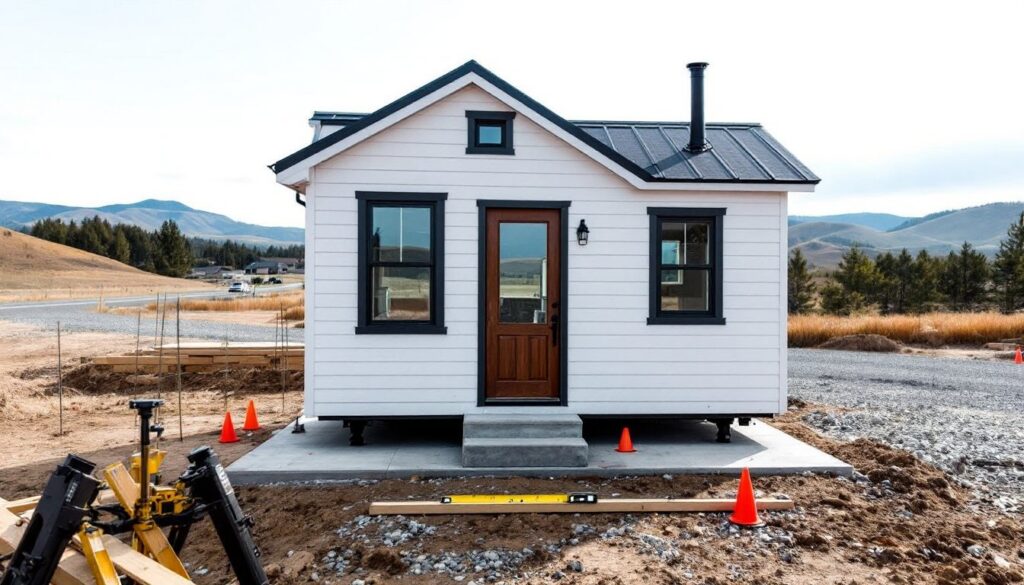
Foundation-based tiny homes sit on permanent piers or slabs and are treated more like traditional dwellings under building codes. These models often face fewer zoning hurdles if they meet minimum square footage requirements (which vary widely by municipality). They’re a better fit for buyers planning to stay put long-term.
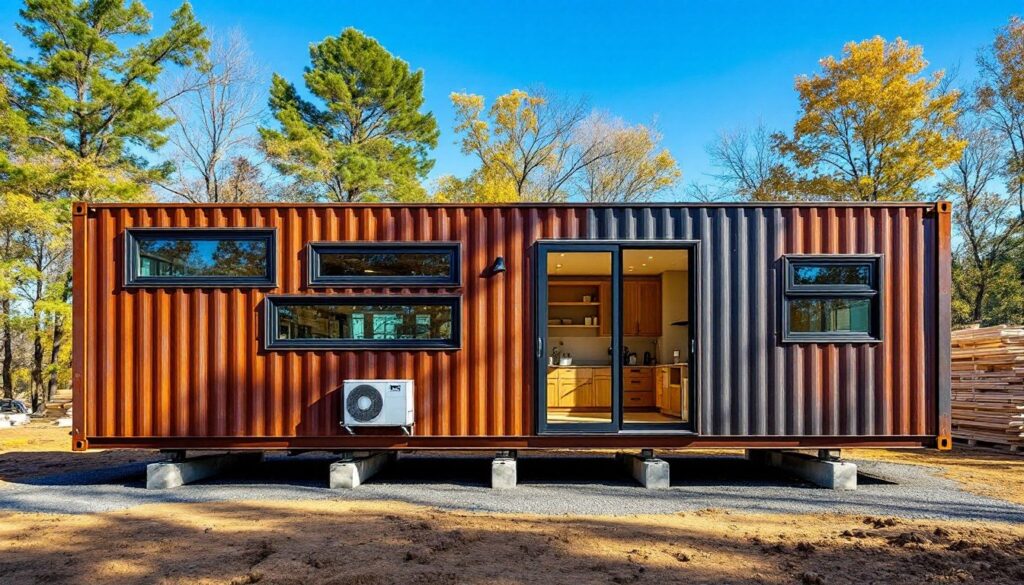
Prefab and modular tiny homes are factory-built in sections, then delivered and assembled on-site. They speed up construction time and often come with warranties. Brands offering delivery to New York include options with engineered lumber framing, spray foam insulation, and Energy Star–rated appliances.
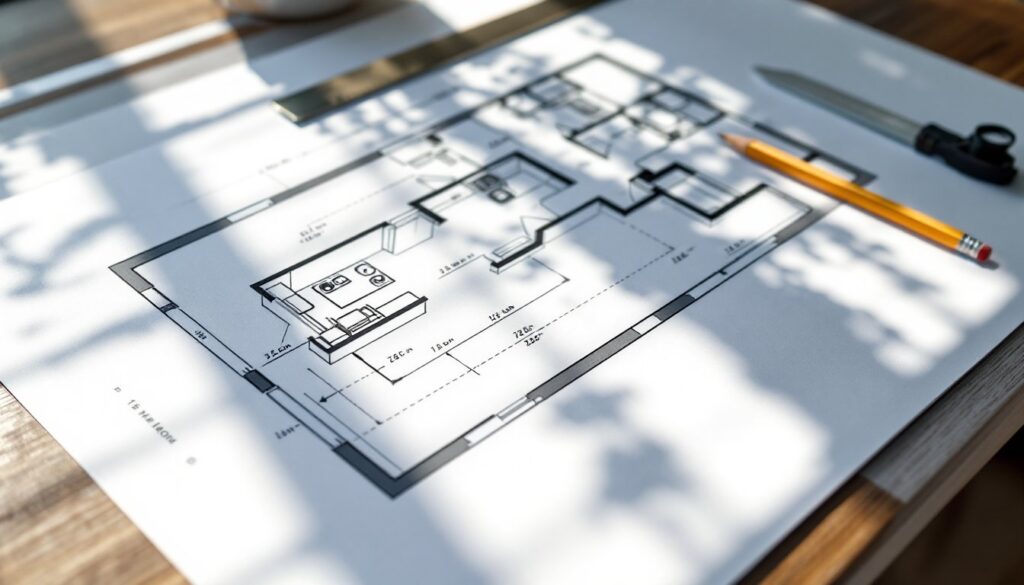
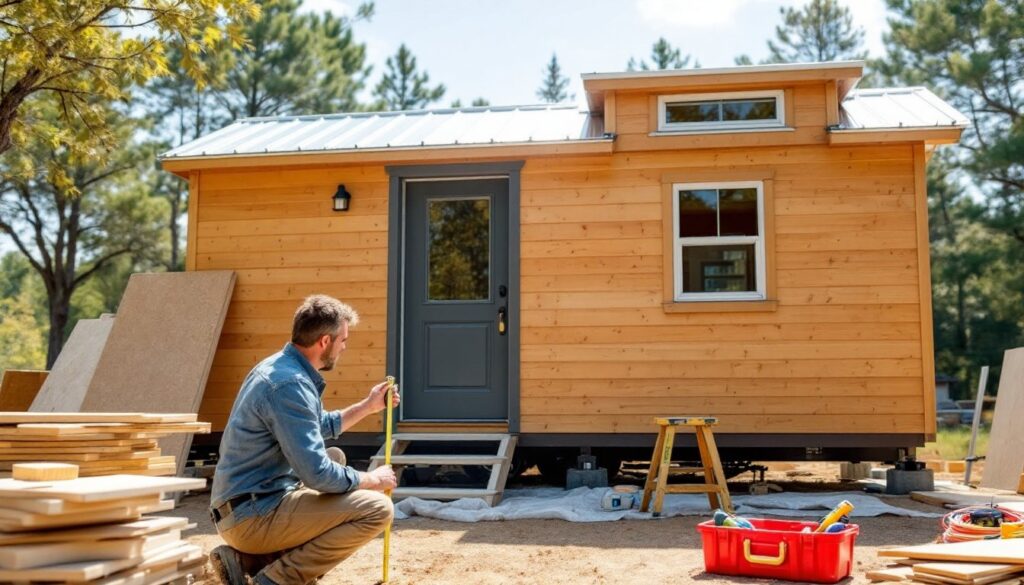
Custom-built tiny homes let buyers tailor every detail, from loft height to cabinetry layout. Working with a local builder familiar with New York codes can streamline permitting, but expect a longer timeline and higher costs. Understanding the tiny home cost breakdown helps buyers budget for materials, labor, and site prep.
Where to Find Tiny Homes for Sale in New York
Online marketplaces like Tiny House Listings, Zillow, and Trulia aggregate listings across the state. Filter by type (THOW vs. foundation), price range, and region. Some sellers list turnkey models: others offer shell builds you finish yourself.
Local builders and manufacturers operate throughout New York. Hudson Valley, the Adirondacks, and the Finger Lakes regions have seen a spike in tiny home fabricators. Visit showrooms when possible, photos don’t always reveal build quality, insulation gaps, or how well a loft ladder is anchored.
Tiny home communities are emerging in pockets of upstate New York. These developments offer dedicated plots with shared amenities, think community gardens, tool sheds, and sometimes central utilities. Tiny home communities simplify zoning compliance since the land is already approved for such use.
Auctions and estate sales occasionally feature tiny homes, especially older models or park models being cleared from private land. Inspect thoroughly: older THOWs may have frame rust, outdated wiring, or subpar insulation. Resources like Angi can connect buyers with inspectors experienced in non-traditional structures.
What to Look for When Buying a Tiny Home in New York
Structural integrity comes first. Check the trailer frame (if applicable) for rust, cracks, or improper welds. Foundation models should have engineered plans showing footing depth, especially in frost-prone areas, New York’s frost line ranges from 36 to 48 inches depending on county. Request documentation that framing meets IRC (International Residential Code) standards, even if your municipality doesn’t require a permit.
Insulation and climate control are non-negotiable. New York winters demand at least R-21 in walls and R-30 in the roof. Spray foam is common in tiny builds for its air-sealing properties, but mineral wool or rigid foam boards work if installed correctly. Confirm that windows are double-pane with low-E coatings to minimize heat loss.
Electrical and plumbing systems must comply with NEC (National Electrical Code) and local plumbing codes. Verify that wiring is run through conduit or properly stapled, outlets are GFCI-protected in wet areas, and the panel is correctly sized (30-amp minimum for most tiny homes). Plumbing should use PEX or copper, avoid older polybutylene. If the home is off-grid, inspect the solar array capacity, battery bank, and inverter.
Resale value matters even if you plan to stay long-term. Homes with quality finishes, clear title or registration (for THOWs), and documentation of code compliance hold value better. Research tiny home resale trends to understand what features buyers prioritize in your region.
Zoning Laws and Regulations for Tiny Homes in New York
Zoning is the biggest headache. New York has no statewide tiny home policy, so rules vary by county, town, and even village. Some municipalities classify tiny homes as accessory dwelling units (ADUs), others as RVs, and a few prohibit them outright in residential zones.
Minimum square footage requirements are common. Many towns mandate at least 500 or 600 square feet for a primary dwelling, which disqualifies most tiny homes unless granted a variance. ADU provisions, where allowed, can be a workaround, letting you place a tiny home on a lot with an existing primary residence.
Setbacks, utilities, and permits also apply. Expect setback rules (typically 10 to 25 feet from property lines), requirements for grid connection or approved septic systems, and building permits for foundation models. THOWs may skirt some building codes if classified as temporary structures, but many towns limit how long you can occupy them on private land.
Urban vs. rural differences are stark. New York City and its suburbs have the strictest rules: urban tiny homes are rare unless part of an approved pilot program or ADU exemption. Upstate counties, especially those courting new residents, tend to be more flexible. Always check with your local code enforcement office before buying land or a home. Design trends covered by sources like Curbed often highlight where municipalities are loosening restrictions.
Financing Options for Your Tiny Home Purchase
Traditional mortgages rarely cover tiny homes, especially THOWs, because lenders view them as personal property, not real estate. RV loans are the most common route for homes on wheels, with terms of 10 to 15 years and interest rates slightly higher than conventional mortgages. Credit unions and specialty lenders like LightStream offer these products.
Personal loans work for smaller builds or if your credit is strong. Rates vary widely (6% to 20%+), and terms max out around seven years. They’re unsecured, so no appraisal is needed, but monthly payments can be steep.
Construction loans suit buyers building from scratch or heavily customizing a shell. These convert to a mortgage once the home is finished and appraised, but they require detailed plans, a licensed contractor, and often a down payment of 20% or more. Foundation-based tiny homes have a better shot at qualifying.
Cash purchases are surprisingly common in the tiny home world. Many buyers save, sell a larger home, or tap retirement accounts. Paying cash avoids interest and financing red tape, but it ties up liquidity. If financing is necessary, comparing tiny home loan options helps identify lenders familiar with non-traditional builds. Apartment Therapy occasionally features financing case studies for small-space living.
Conclusion
Buying a tiny home in New York in 2026 requires more assignments than a conventional purchase, but the payoff, lower costs, reduced environmental impact, and lifestyle flexibility, appeals to a growing number of buyers. Focus on zoning compliance first, vet builders and listings carefully, and budget for the full project, not just the structure itself. Done right, a tiny home can be a smart, sustainable answer to New York’s housing crunch.