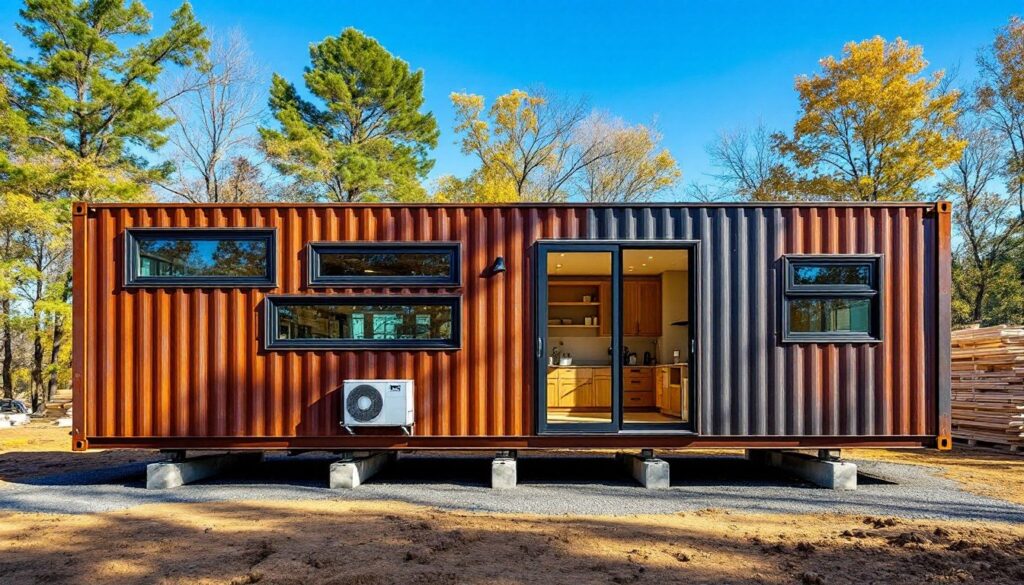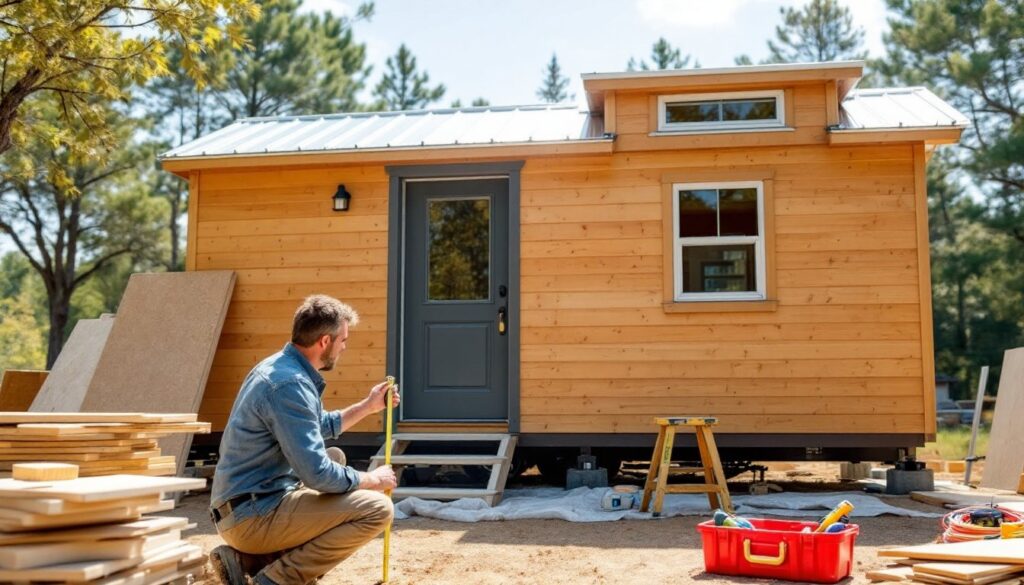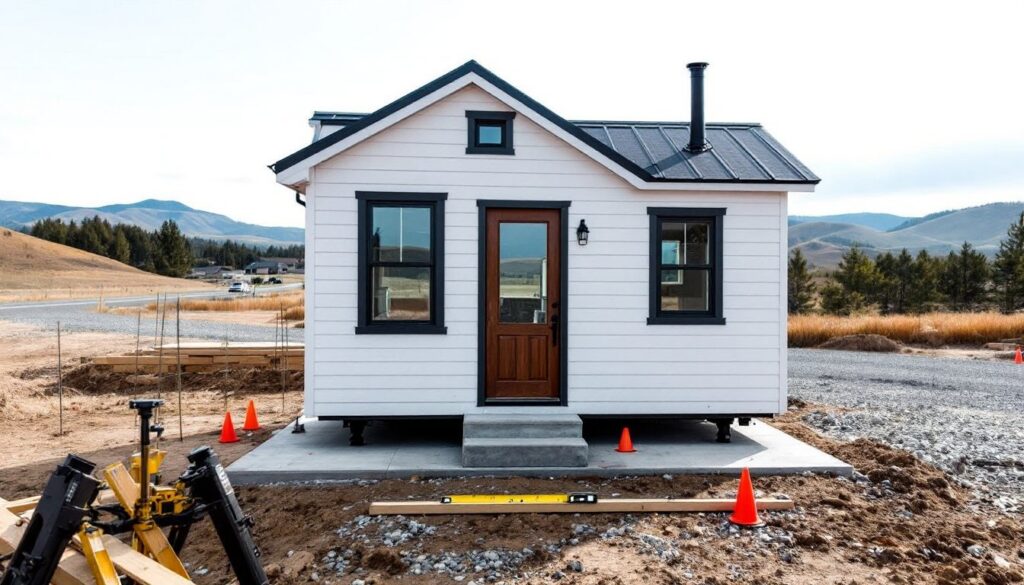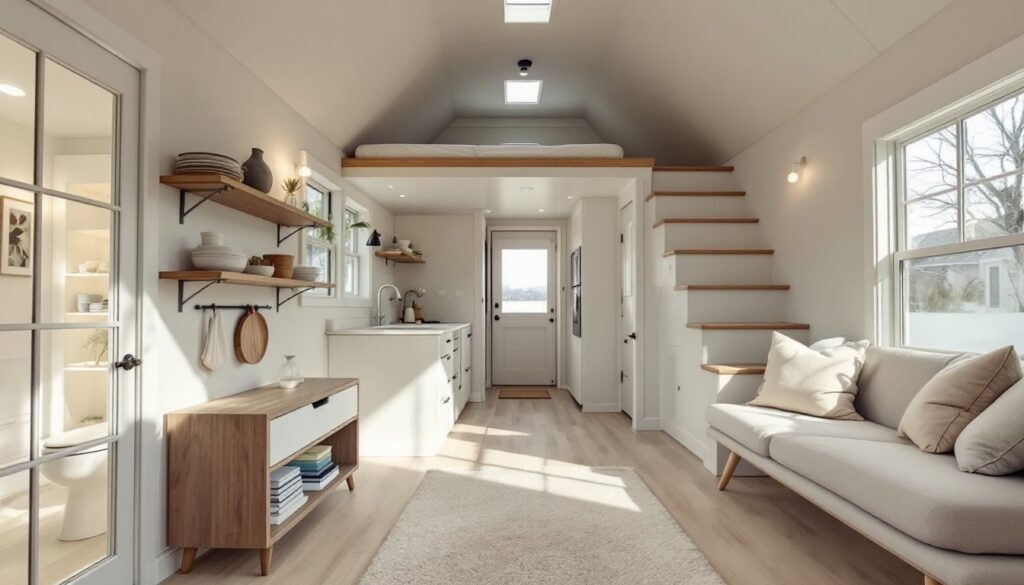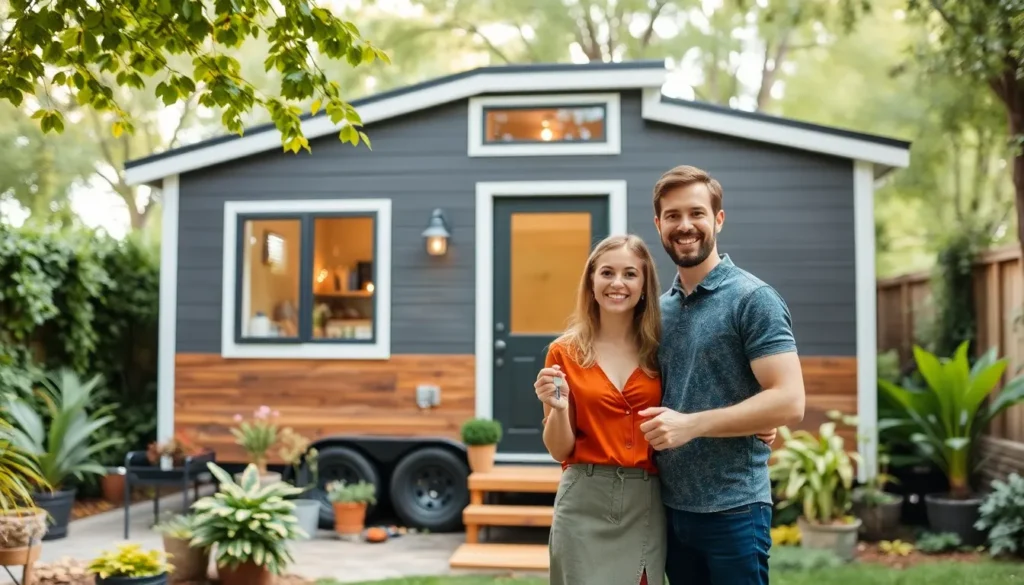
In a world where bigger often seems better, tiny homes are flipping the script and proving that less really can be more. These pint-sized dwellings offer a cozy alternative to traditional living, making them the perfect choice for those looking to downsize or embrace a minimalist lifestyle. But how do you finance this adorable dream? Enter tiny home loans, the unsung heroes of the housing market.
What Are Tiny Home Loans?
Tiny home loans provide financing specifically tailored for purchasing or building tiny houses. These loans cater to the unique financial needs of tiny home enthusiasts. Many traditional mortgage options do not accommodate the lower values of tiny homes, making specialized financing essential.
Lenders typically offer various types of tiny home loans, including personal loans, RV loans, and construction loans. Personal loans can serve as a flexible option for buyers, while RV loans often apply to movable tiny homes. Construction loans fund the building process but may require specific contracts with licensed contractors.
Credit scores and income verification play significant roles in obtaining tiny home loans. Most lenders require a credit score of at least 600, though some options exist for those with lower scores. Income levels influence loan amounts and terms, with higher incomes often securing better rates.
Interest rates for tiny home loans generally range between 5% and 12%. Rate variability stems from market conditions, lender policies, and borrowers’ credit profiles. Those capable of making larger down payments may receive lower interest rates and favorable terms.
Total loan amounts differ based on the type of tiny home. A personal loan might cover up to $50,000, while RV loans can extend to $100,000 for higher-end models. Borrowers often consider the total cost of ownership, including insurance and maintenance, when selecting financing options.
Understanding the specific requirements and terms of tiny home loans ensures borrowers make informed financial decisions. Individuals interested in tiny homes should research various loan options to find the best fit for their lifestyle and budget.
Types of Tiny Home Loans
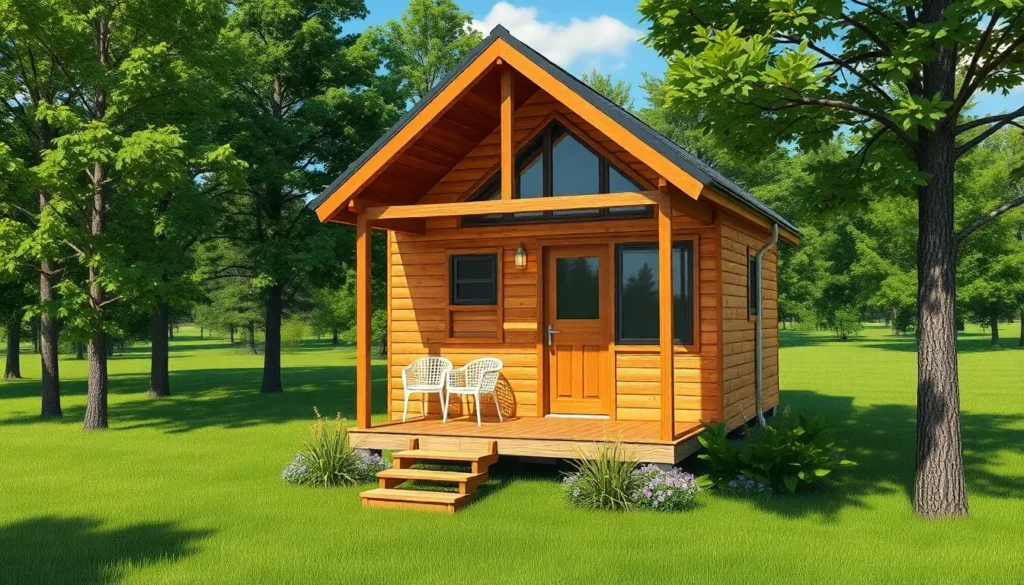
Tiny home loans come in various forms, each designed to meet specific financial needs. Understanding these options helps borrowers choose the right fit.
Conventional Loans
Conventional loans feature lower interest rates compared to other types, often ranging from 5% to 12%. Lenders typically require a higher credit score for approval, usually 620 or above. Depending on the lender, down payments may range from 3% to 20%. This type of loan can apply to both movable and stationary tiny homes. Potential borrowers should also verify their income to demonstrate repayment ability.
FHA Loans
FHA loans target individuals seeking affordable financing options. These loans offer lower down payment requirements, often as low as 3.5%. Borrowers must meet specific income limits and credit score criteria, which generally caps at 580. An FHA loan can provide a pathway to homeownership for many tiny home enthusiasts. They allow for more flexibility in terms of credit and debt-to-income ratios for qualified buyers.
Personal Loans
Personal loans serve as another versatile option for financing tiny homes. These loans may require no collateral, allowing for greater accessibility. Lenders often look at credit scores and income to assess eligibility. Interest rates can vary significantly, typically falling between 6% and 36%. Borrowers can use personal loans to cover not only the purchase of the home but also additional costs like land and utilities. This flexibility appeals to many tiny home buyers.
Benefits of Tiny Home Loans
Tiny home loans offer several advantages that cater to unique living arrangements. These financial products support affordability and flexibility, making them appealing for potential buyers.
Affordability
Affordability stands out as a primary benefit of tiny home loans. Lower overall costs associated with tiny homes lead to reduced loan amounts. Monthly payments remain manageable, often falling within many budgets. Interest rates typically range from 5% to 12%. This range allows buyers to find loans matching their financial profile. With options like FHA loans featuring lower down payment requirements, affordability becomes accessible for a wider audience. Many lenders understand the financial constraints of tiny homebuyers, offering specially tailored loan terms to ensure purchasing comfort.
Flexibility
Flexibility is another significant benefit of tiny home loans. These loans adapt to various needs, accommodating not just the home purchase but also additional expenses like land and utilities. Personal loans often do not require collateral, adding to their versatility. Borrowers can also choose between conventional and FHA loans based on their credit score and down payment comfort. Lenders provide options that suit different lifestyles and requirements, offering the freedom to design a living space that reflects personal preferences. Tiny home loans make it easier for buyers to tailor their financing approach, allowing them to embrace minimalism without compromising financial stability.
Challenges of Tiny Home Loans
Tiny home loans present several challenges potential buyers should consider. Understanding these obstacles can help navigate the financing landscape effectively.
Limited Financing Options
Financing options for tiny homes remain limited, making acquisition difficult. Traditional lenders often hesitate to finance these properties due to their non-standard nature. Many financial institutions view tiny homes as less viable collateral, resulting in stricter lending criteria. Some buyers rely on personal loans or RV loans as alternatives, but these typically come with higher interest rates. Variability in loan types further complicates the process, as not all lenders offer tailored solutions. Selecting the right type of loan is crucial for securing funding aligned with individual financial circumstances.
Zoning Regulations
Zoning regulations significantly impact tiny home purchases. Many areas impose strict regulations regarding land use and property size, limiting where tiny homes can be situated. Local governments may categorize tiny homes differently, impacting financing options and property taxes. Buyers often face hurdles in obtaining permits, which may vary widely by location. Finding compliant land is essential, but those regulations can deter potential tiny home enthusiasts. Understanding local laws can prevent costly setbacks during the buying process, ensuring a smoother transition into tiny home living.
Tiny home loans present a unique opportunity for those looking to embrace a minimalist lifestyle while maintaining financial stability. With various loan options available tailored to the specific needs of tiny homebuyers, individuals can find solutions that fit their budget and lifestyle.
While challenges such as limited financing options and zoning regulations exist, understanding these factors can empower buyers to make informed decisions. By researching and exploring different loan types, prospective homeowners can navigate the tiny home market confidently. Ultimately, tiny homes offer a path to affordable living without sacrificing comfort or quality.