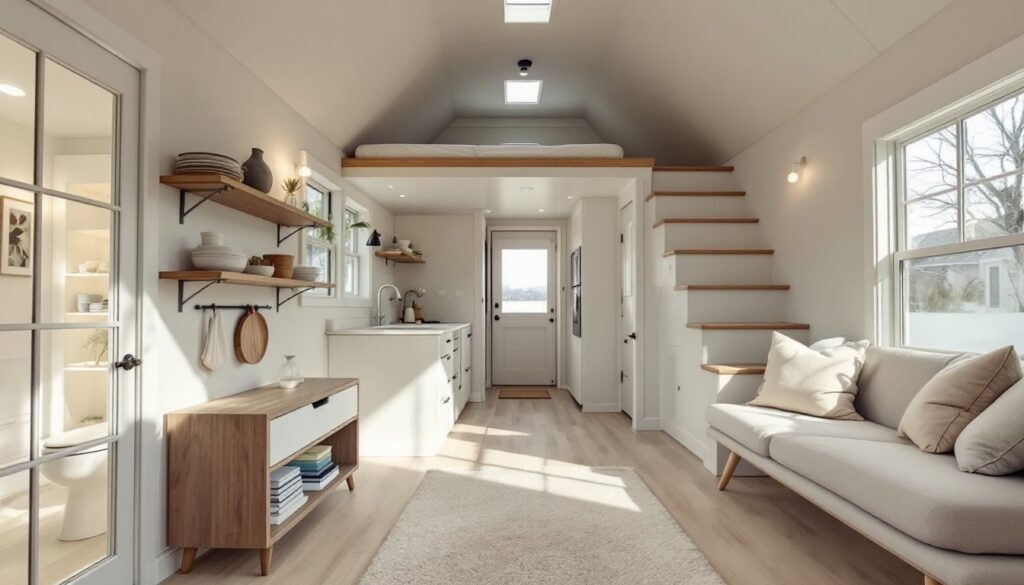
Tiny homes are all the rage these days, and for good reason. Who wouldn’t want to live large in a pint-sized package? But before diving headfirst into this minimalist dream, it’s crucial to understand the costs involved. Spoiler alert: it’s not just about the cozy vibes and Instagram-worthy aesthetics.
From the foundation to the finishing touches, every dollar counts. Whether it’s a DIY project or a professionally built abode, tiny home enthusiasts need to weigh their options carefully. This cost breakdown will reveal the hidden expenses and unexpected delights that come with tiny living. So grab a cup of coffee, sit back, and let’s unravel the financial puzzle of tiny homes—because who says tiny can’t be mighty?
Tiny Home Cost Breakdown
Calculating the costs of a tiny home involves several key components that can vary widely based on individual choices. Land acquisition often serves as the first major expense. Prices for plots can range anywhere from $2,000 to $200,000 depending on location and zoning laws.
Next, the construction of the home itself constitutes a significant portion of the budget. Basic tiny home builds generally start at around $20,000 and can reach $100,000 or more for custom designs and high-quality materials. Suppliers and builders frequently offer varying levels of service and options.
Utilities should also be factored into the overall costs. Connecting to municipal water and electricity can add $2,000 to $5,000. Solar panels represent an eco-friendly alternative, costing anywhere from $10,000 to $20,000 for a complete setup.
Finishing costs cannot be overlooked. Interior features such as kitchen appliances, flooring, and fixtures typically add $5,000 to $15,000, depending on selections. In addition, opting for higher-end finishes drives total expenditures further upwards.
Permits and inspections additionally contribute to total project costs. These fees might vary from $500 to $3,000 based on local regulations. Overall, including insurance and maintenance estimates, individuals must anticipate around $30,000 to $80,000 in total costs for their tiny home investment.
Planning the budget effectively ensures individuals account for all these expenses. Each cost aspect plays a critical role, shaping the overall feasibility and comfort of tiny living.
Initial Costs

Understanding initial costs is essential in the tiny home journey. These expenses shape the feasibility and comfort of living in a smaller space.
Land Purchase
Land purchase represents one of the first significant investments. Costs fluctuate widely, ranging from $2,000 in rural areas to $200,000 in urban locations. Factors such as location and zoning laws heavily influence prices. Purchasing land with existing utilities often incurs higher charges but can streamline future construction. Evaluating local market conditions enables potential buyers to make informed decisions.
Foundation and Site Preparation
Foundation and site preparation follow land acquisition. Costs for these tasks usually vary from $5,000 to $15,000, depending on factors like soil quality and location. Installing a concrete slab serves as a solid foundation choice for many tiny homes. Site preparation may include clearing trees or leveling the ground, impacting overall budget. Planning accordingly ensures a stable base and addresses any site-specific challenges.
Construction Costs
Understanding construction costs is essential for anyone considering a tiny home. Costs can vary widely based on design choices, materials, and local labor rates.
Materials and Labor
Materials represent a significant portion of the budget. Quality choices often dictate the total spent on components like framing, exterior sheathing, roofing, and insulation. Basic options might start at $10,000, while premium materials can exceed $50,000. Labor also contributes heavily to expenses. Hiring skilled tradespeople for installation, electrical work, and plumbing can add another $15,000 to $40,000. DIY efforts may reduce labor costs but require time and expertise.
Utilities Installation
Installation of utilities is another crucial aspect. Connecting to municipal sources can cost between $2,000 and $5,000. Expenses increase with solar panel systems, which range from $10,000 to $20,000, offering sustainable energy solutions. Waste disposal systems, whether connected or standalone, can add $3,000 to $7,000. Assessing these installation requirements helps to refine budget expectations and ensures functional living conditions. Familiarity with local codes can alleviate potential setbacks related to utility setups.
Financing Options
Understanding financing options is crucial when planning for a tiny home. Several pathways exist to secure funding for this unique investment.
Loans and Mortgages
Tiny home loans are becoming more commonly available, catering specifically to the needs of minimalist living. Lenders may offer personal loans, RV loans, or even traditional mortgages tailored for tiny homes. These options often feature interest rates between 5% and 10% depending on the borrower’s creditworthiness. Selection of the appropriate loan type hinges on factors such as home placement and whether the home qualifies as a vehicle or a permanent structure. It’s essential to compare lenders to identify favorable terms, which can significantly impact long-term financial health.
Grants and Incentives
Various grants and incentives can lighten the financial burden associated with tiny homes. Some nonprofit organizations provide funding specifically for affordable housing projects, enabling potential owners to access substantial assistance. Local governments may also offer incentives such as tax credits or reduced fees for sustainable building practices. Eligibility criteria may vary by region, but interested individuals should investigate available programs within their area. Taking advantage of these opportunities can help mitigate costs, potentially reducing the overall investment needed for a tiny home.
Ongoing Costs
Ongoing costs represent a significant aspect of tiny home living. Understanding these expenses is essential for successful budgeting and financial planning.
Maintenance and Repairs
Maintenance plays a crucial role in ensuring a tiny home remains functional and appealing. Regular upkeep includes tasks like roof inspections, plumbing checks, and appliance servicing. Homeowners should budget around $500 to $1,500 annually for general maintenance. Repairs can arise unexpectedly, leading to additional expenses. For example, repairs can range from a few hundred dollars for minor issues to several thousand for significant problems like structural damage or appliance replacements. Contingency funds are advisable for covering these unforeseen costs.
Property Taxes and Insurance
Property taxes contribute to ongoing expenses as well, despite tiny homes generally having lower assessments. Depending on location, annual taxes can range from $100 to $1,500. Insurance costs shouldn’t be overlooked either; tiny home insurance can vary based on value and location. Typically, homeowners can expect to pay between $300 and $1,200 yearly for coverage. Comprehensive home insurance ensures peace of mind against damages from natural disasters, theft, or liability claims. Evaluating local laws and insurance options helps pinpoint accurate costs for tiny homeowners.
Understanding the costs associated with tiny home living is vital for anyone considering this lifestyle change. From land acquisition to construction and ongoing expenses, each element plays a significant role in the overall budget.
By carefully evaluating these costs and exploring financing options, individuals can make informed decisions that align with their financial goals. Embracing tiny living can lead to a simpler and more fulfilling life, but it requires thorough planning and awareness of potential expenses.
With the right preparation, the dream of owning a tiny home can become a reality without unexpected financial strain.