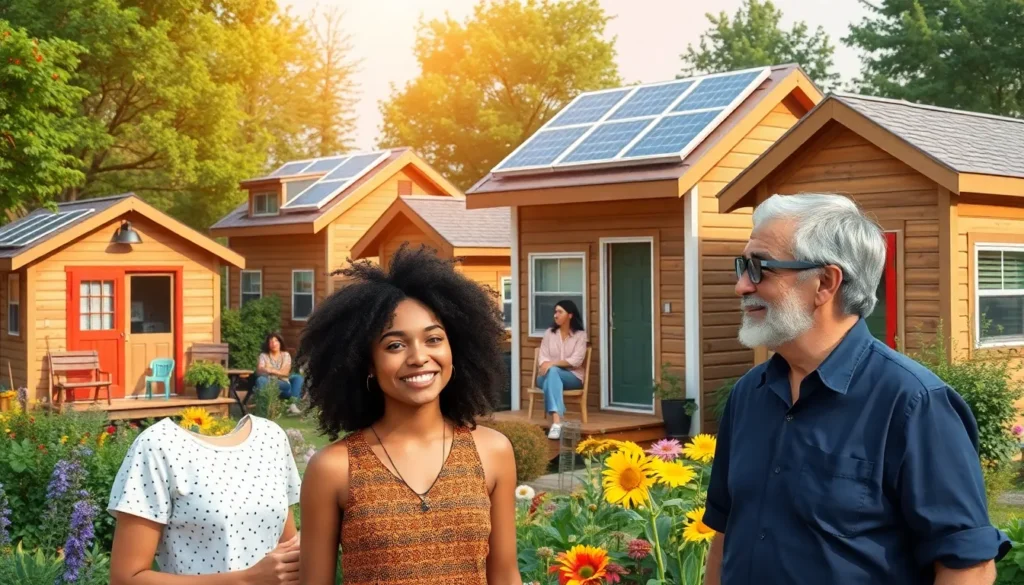
Imagine living in a cozy, charming space where every square foot is maximized for comfort and creativity. Tiny home communities are popping up like mushrooms after a rainstorm, offering a fresh take on modern living. With a focus on simplicity and sustainability, these communities invite people to downsize their possessions and upsize their experiences.
Overview of Tiny Home Community
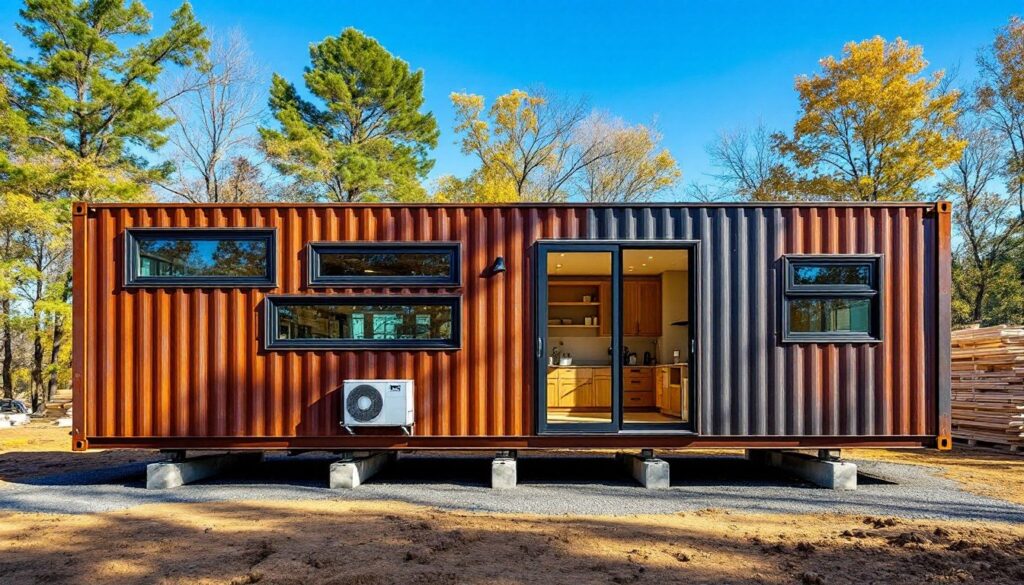
Tiny home communities, characterized by a collection of small, efficient dwellings, emphasize a lifestyle focused on minimalism and community engagement. Preference for these compact living spaces arises from the desire for financial freedom and reduced environmental impact. Residents often find that downsizing fosters connections with neighbors and encourages shared resources.
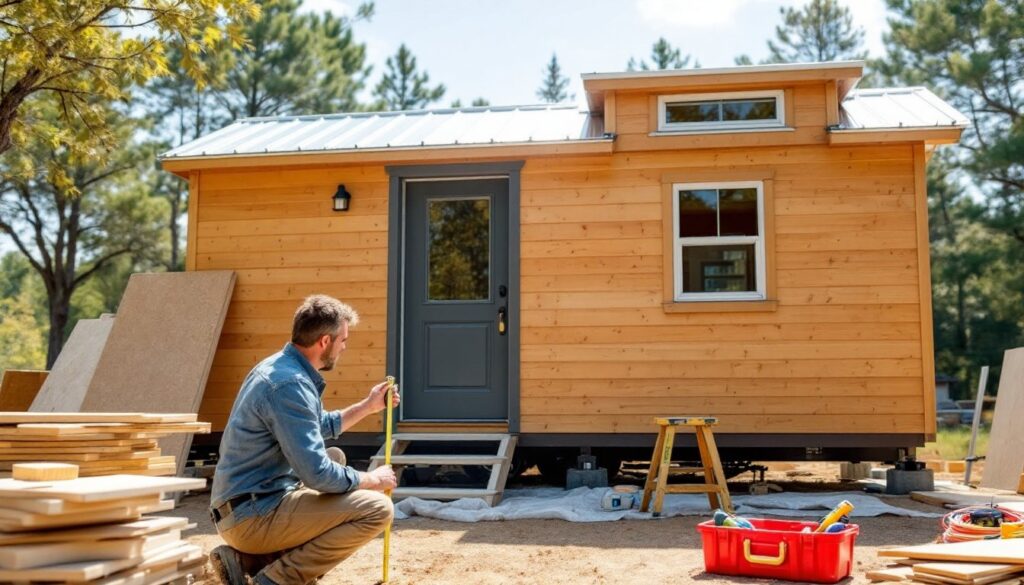
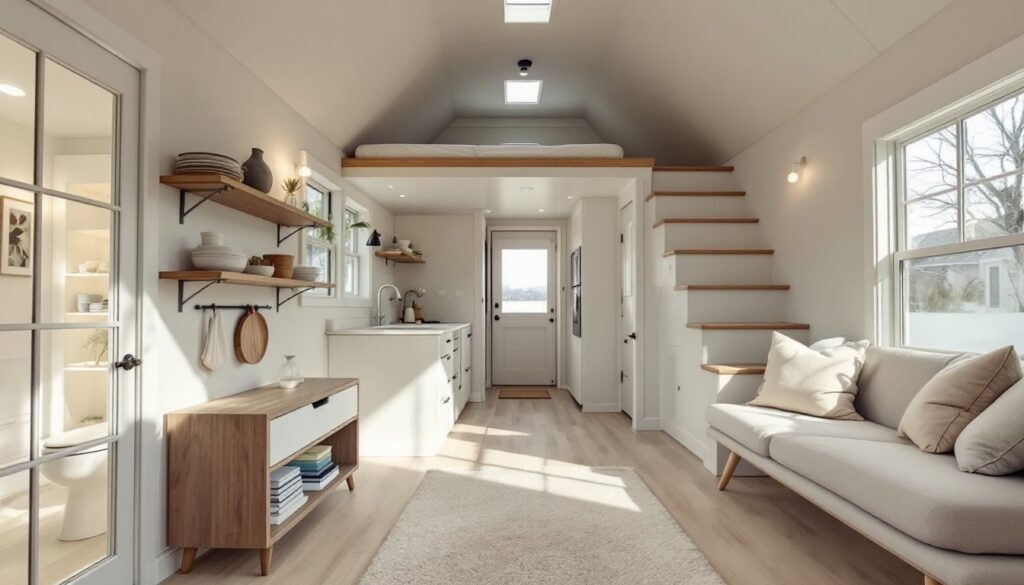
The design of tiny homes varies widely, incorporating unique architectural features that cater to individual tastes. Elements such as multi-functional furniture and sustainable building materials enhance the overall experience. Many communities include communal areas, promoting social interaction and collaboration among residents.
Tiny home living appeals to various demographics, including young professionals, retirees, and families seeking a simpler life. According to recent surveys, nearly 70% of tiny homeowners report increased happiness due to the reduction of material possessions and maintenance responsibilities. This lifestyle choice aligns with a growing trend toward sustainability, as tiny homes typically consume fewer resources and generate less waste.
Investment in tiny home communities continues to rise, reflecting a shift in consumer preferences. Developers are increasingly recognizing the demand for affordable housing solutions that foster community ties. The affordability and charm of tiny homes attract individuals who value experiences over material goods, reinforcing the foundational principles of the tiny home movement.
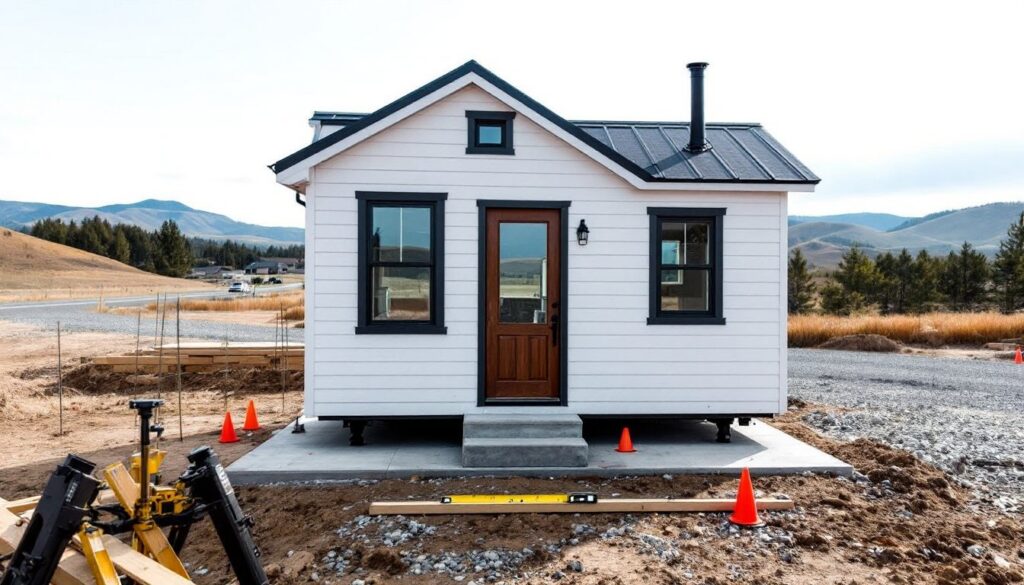
As these communities gain popularity, they also highlight the importance of zoning regulations and infrastructure support. Local governments and organizations work together to establish policies that encourage the growth of tiny home communities. This cooperative effort allows for sustainable living options while addressing housing shortages in various regions.
Benefits of Living in a Tiny Home Community
Living in a tiny home community offers numerous advantages, particularly in areas such as affordability, eco-friendly living, and community connection.
Affordability
Tiny homes typically cost less than traditional houses, making homeownership accessible to a wider range of individuals. Many tiny homeowners report reduced mortgage or rental payments, freeing up funds for experiences or savings. With lower utility costs, residents enjoy long-term financial benefits. The average tiny home can cost anywhere between $30,000 to $60,000, significantly lower than conventional homes. This affordability attracts diverse demographics seeking financial freedom without compromising quality of life.
Eco-Friendly Living
Emphasizing sustainability, tiny homes use fewer resources during construction and daily living. They often incorporate energy-efficient appliances, solar panels, and eco-friendly materials, reducing overall environmental impact. Living in a tiny home leads to decreased waste production, as residents focus on minimalism and conscious consumption. In fact, tiny homes can reduce energy consumption by 50% compared to standard houses. This alignment with eco-friendly practices contributes to healthier living environments and a deeper connection to nature.
Community Connection
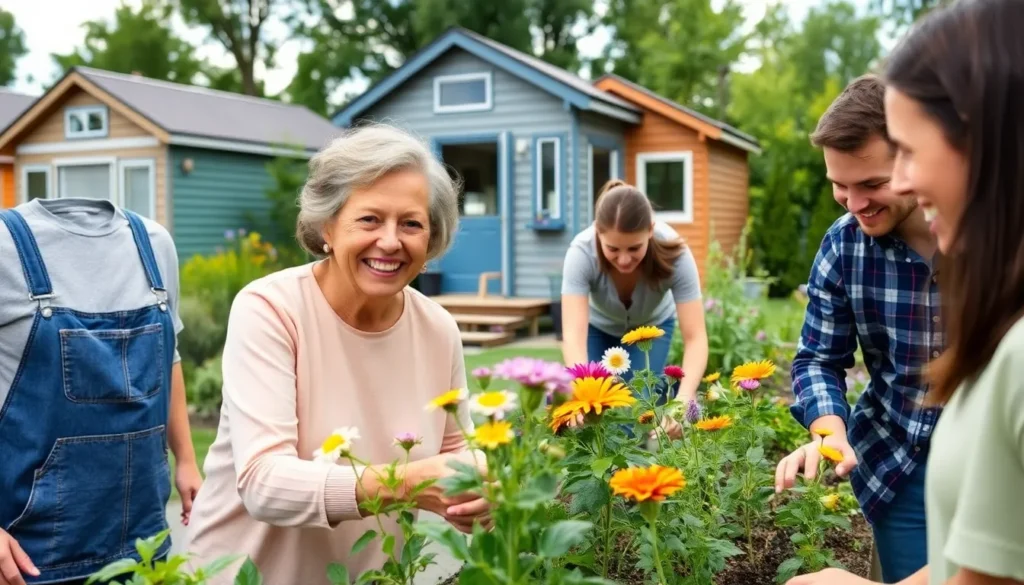
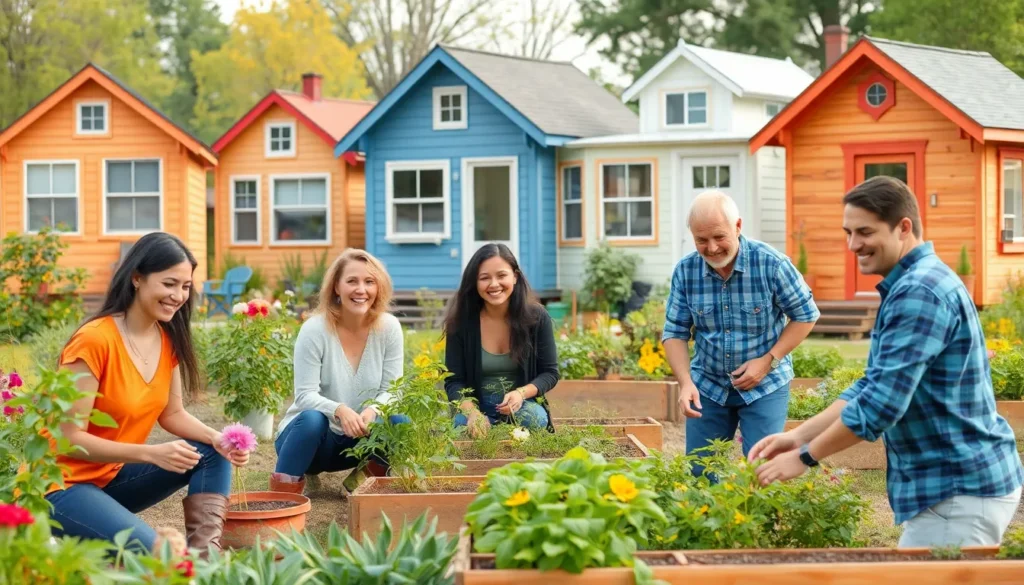
Living within a tiny home community fosters strong relationships among residents. Shared spaces encourage social interaction and collaboration, helping individuals build supportive networks. Many tiny communities include communal gardens, event spaces, and workshops that promote engagement. This connectivity is particularly appealing to those seeking companionship or mentorship. Approximately 70% of tiny homeowners report feeling a greater sense of community compared to living in traditional neighborhoods. Strong ties enhance daily life, creating a secure environment for all members.
Challenges of Tiny Home Communities
Tiny home communities face several challenges that can impact their growth and sustainability. Zoning regulations and space limitations often pose significant hurdles for residents and developers.
Zoning and Regulations
Zoning laws vary greatly by location, affecting where tiny home communities can be established. Many municipalities lack specific regulations, creating gray areas for tiny homes. Unclear guidelines can lead to legal challenges and delays. Local governments may impose minimum square footage requirements, restricting the transition to tiny living. Communities often struggle with building codes that don’t accommodate tiny home designs. Working with local authorities to develop appropriate regulations can simplify the establishment of these communities.
Space Limitations
Space constraints represent another challenge for tiny home residents. Despite the focus on minimalism, storage can become an issue in smaller footprints. Many tiny homes lack adequate storage solutions, which can lead to clutter. Limited outdoor space also restricts gardening and recreational activities, impacting lifestyle quality. Sharing communal areas is common, but it can become complicated if too many residents utilize the space simultaneously. Addressing these limitations through innovative design can enhance functionality and comfort within tiny home communities.
Designing a Tiny Home Community
Designing a tiny home community involves careful consideration of layout and resource allocation. A primary focus is creating an inviting atmosphere that encourages social engagement.
Common Spaces and Amenities
Common spaces foster connectivity among residents. Gathering areas, like community gardens and fire pits, serve as social hubs, often enhancing relationships through shared activities. Amenities may include laundry facilities and recreational spaces, enriching lifestyles beyond individual homes. An emphasis on accessibility ensures all residents can enjoy these communal resources. Outdoor spaces often invite gatherings, promoting interaction and collaboration among neighbors.
Sustainable Practices
Sustainability stands at the forefront of tiny home community design. Incorporating solar panels significantly reduces energy consumption, aligning with eco-friendly goals. Composting systems enhance waste management, leading to reduced landfill contributions. Rainwater harvesting captures and utilizes weather resources efficiently. Residents often prioritize organic gardening, benefiting both their environment and their diets. Sustainable materials used in construction further minimize ecological impacts, reinforcing the community’s commitment to green living.
Future of Tiny Home Communities
Tiny home communities are poised for significant growth, driven by changing lifestyles and societal values. Demand for affordable and sustainable housing is increasing as more people seek simpler living arrangements. Innovations in design and construction techniques continue to advance, optimizing small spaces for functionality and comfort.
Zoning regulations are gradually evolving, with more local governments recognizing the benefits of tiny homes. Many municipalities are revisiting their policies, allowing for the establishment of tiny home villages in urban and rural areas alike. As awareness of the movement grows, expectations for improved policies can transform previously restrictive environments into supportive ones.
Investors are taking notice of tiny home communities, seeing them as viable ventures for sustainable living. Increased investment leads to better resources and amenities, enhancing residents’ experiences. Furthermore, community-driven initiatives are emerging, encouraging collaboration to address unique challenges faced by tiny homeowners.
Sustainability continues to be a focal point as future communities adopt eco-friendly practices. Use of renewable energy sources, such as solar panels and wind turbines, can significantly reduce environmental footprints. Communities are also implementing practices like communal gardening and waste reduction efforts, which reinforce a collective commitment to environmental stewardship.
Demographics are shifting, with a broader range of individuals interested in tiny living. Young professionals, retirees, and families are now part of the tiny home narrative, each bringing diverse needs and perspectives. This blending of lifestyles fosters a vibrant community dynamic that enriches residents’ quality of life.
As these communities grow, they will likely shape housing landscapes for years to come. Efforts to enhance social ties and sustainable living practices create engaging environments that prioritize connection and ecological responsibility. The future of tiny home communities spans demographics, sustainability, and evolving regulations, ensuring an impactful shift in housing paradigms.