Table of Contents
ToggleBuilding or buying a tiny home for under $10,000 isn’t just wishful thinking, it’s entirely possible if you’re willing to get strategic about materials, labor, and design. Whether someone’s looking to downsize, create a backyard studio, or test out off-grid living, the sub-$10K price point opens doors that many assume are locked. But here’s the reality: this budget demands smart trade-offs, DIY elbow grease, and realistic expectations about finish quality and square footage. This guide breaks down what’s actually achievable, where to find affordable options, and how to avoid the common pitfalls that turn budget builds into money pits.
Key Takeaways
- Tiny homes under 10k are achievable through DIY kits, shed conversions, or salvage-heavy builds, but expect 80–200 square feet with basic framing and unfinished interiors.
- Budget an additional $2,000–$5,000 beyond the initial purchase price for utilities, insulation, and interior finishes to ensure year-round livability.
- DIY kits costing $3,500–$9,500 include pre-cut framing, roofing, and siding but require 40–80 hours of labor and essential tools like a cordless drill and circular saw.
- Save 30–80% on materials by sourcing from salvage yards, local sawmills, and reclaimed building suppliers instead of big-box retailers.
- Verify zoning regulations, building permits, and utility connection requirements with your local building department before starting—ignoring these can result in costly fines or forced removal of your tiny home structure.
What You Can Actually Get for Under $10,000
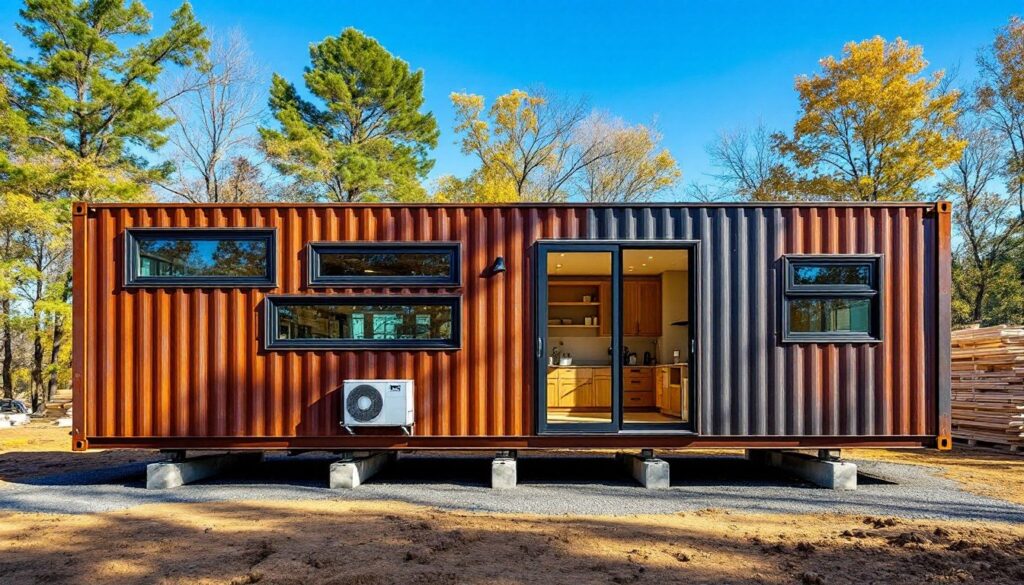
At the $10,000 threshold, buyers and builders are looking at structures in the 80–200 square foot range, typically with basic framing, minimal insulation, and unfinished or semi-finished interiors. This isn’t a turnkey home with granite countertops, it’s a shell or kit that requires substantial sweat equity.
Realistic expectations include:
- DIY shell kits: Frame, walls, roof, and windows: plumbing and electrical are on the owner
- Pre-built sheds: Delivered structures needing conversion (insulation, utilities, interior finish)
- Used or salvage tiny homes: Older models or builds requiring repair and updates
- Trailer-mounted frames: Basic platforms ready for custom builds, no dwelling structure included
Most sub-$10K tiny homes lack HVAC systems, finished flooring, and code-compliant electrical. Budget an additional $2,000–$5,000 for utilities, insulation upgrades, and interior finishes if the goal is year-round livability. Foundation costs (concrete piers, trailer registration, or skids) often aren’t included in advertised prices, so confirm what’s actually covered before committing.
Anyone considering a tiny home cost breakdown should account for hidden expenses like permits, site prep, and utility hookups that can quickly inflate the total investment.
DIY Tiny Home Kits and Shells
DIY kits provide pre-cut framing, siding, and roofing materials with assembly instructions, allowing builders to save on labor while controlling quality. Kits in the $3,500–$9,500 range typically include:
- Framed walls (2×4 or 2×6 construction)
- Roof trusses or rafters
- Exterior sheathing and siding (T1-11, LP SmartSide, or board-and-batten)
- Windows and entry door
- Roofing material (metal panels or asphalt shingles)
Assembly time: Expect 40–80 hours for two people with moderate carpentry skills. A cordless drill, circular saw, level, and framing square are essential. A pneumatic framing nailer speeds up wall assembly significantly but isn’t mandatory.
Popular kit sources include:
- Jamaica Cottage Shop: Traditional post-and-beam kits starting around $4,000
- Home Depot Tuff Shed options: Delivered shells in the $3,000–$6,000 range before customization
- Tiny Home Builders marketplace: Listings for unassembled kits from independent designers
Most kits ship via freight and require a forklift or tractor for unloading. Factor in $300–$800 for shipping depending on distance. Builders should verify that wall and roof framing meet local IRC standards for snow and wind load, kit plans sometimes assume minimal climate stress.
Pre-Built Sheds and Cabins You Can Convert
Purchasing a storage shed or prefab cabin and converting it into living space is one of the fastest routes to a sub-$10K tiny home. Structures in the 8×12 to 12×16 size range from brands like Tuff Shed, Graceland Portable Buildings, and Old Hickory Buildings often cost $4,000–$8,500 delivered.
What’s included:
- Framed floor, walls, and roof
- Exterior siding (vinyl, wood, or metal)
- Basic door and windows (often single-pane)
- Painted or stained finish
What’s NOT included:
- Insulation (walls and floor are typically uninsulated)
- Electrical wiring or outlets
- Plumbing rough-in
- Interior wall finish (exposed studs)
Conversion steps:
- Insulate walls and ceiling: Use R-13 fiberglass batts or rigid foam board between studs: spray foam is more expensive but eliminates air gaps.
- Install vapor barrier: 6-mil polyethylene sheeting on interior walls before finishing.
- Run electrical: 14/2 Romex for lighting and outlets: hire a licensed electrician if unfamiliar with NEC requirements.
- Finish walls: 1/4-inch plywood, tongue-and-groove pine, or drywall depending on budget and aesthetics.
- Upgrade windows: Swap single-pane units for dual-pane to improve energy efficiency.
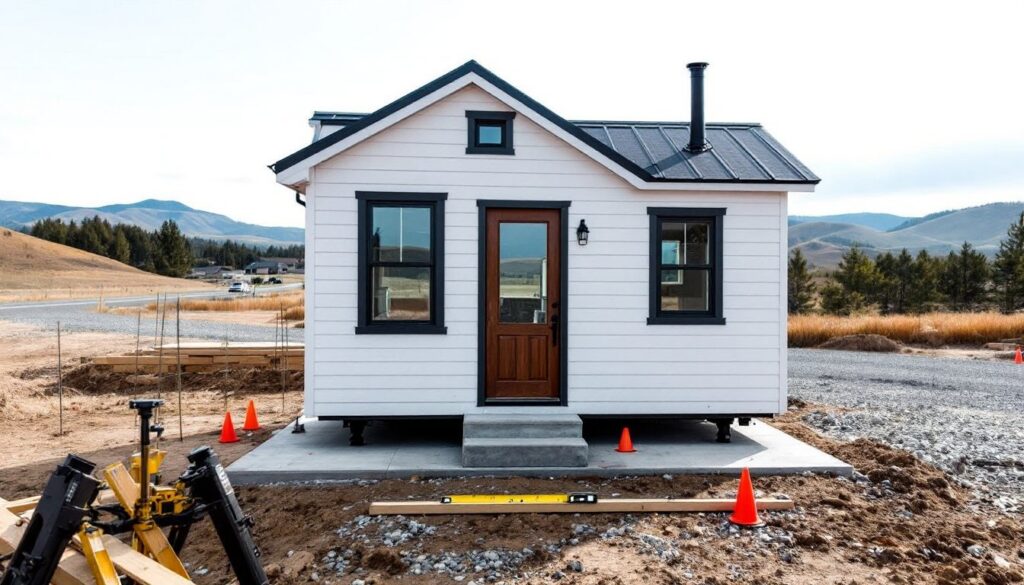
Shed manufacturers typically deliver on-site but don’t handle foundation prep. A gravel pad with 4×4 treated timbers works for most climates: frost-prone areas may require concrete piers below the frost line. Many small space living ideas can be adapted to maximize functionality in converted sheds, from murphy beds to fold-down tables.
Essential Cost-Saving Strategies for Your Build
Staying under $10,000 requires disciplined material sourcing and a willingness to do most of the labor personally. Here’s where to cut costs without compromising structural integrity:
Salvage and reclaimed materials:
- Windows and doors: Habitat for Humanity ReStores and Craigslist often list surplus units for 50–80% off retail.
- Lumber: Reclaimed barn wood works for siding and interior paneling: check for rot and insect damage before purchase.
- Fixtures: Used sinks, faucets, and light fixtures are plentiful at salvage yards.
Buy direct from mills:
Skip big-box markup by purchasing framing lumber from local sawmills. Rough-cut 2×4s cost roughly 30% less than planed stock and work fine for framing (verify dimensions, actual size varies).
Simplified design:
- Shed roof instead of gable: Fewer cuts, faster build, less material waste.
- Standard dimensions: Design around 8-foot wall heights and 4×8 sheet goods to minimize cutting and scrap.
- Minimal windows: Glass is expensive: limit to one or two dual-pane units on the south-facing wall.
DIY vs. pro work:
Handle framing, insulation, and finish carpentry yourself. Hire licensed pros for electrical panel installation and gas line work if using propane heat, both are typically required by code and carry liability if done incorrectly.
Material cost benchmarks (2026 pricing):
- Pressure-treated 4×4 skids (8 ft): $18–$22 each
- 2×4 studs (8 ft, kiln-dried): $4.50–$6 each
- 7/16-inch OSB sheathing (4×8): $15–$20 per sheet
- Metal roofing (corrugated, per square foot): $2.50–$4
- Fiberglass insulation batts (R-13, per sq ft): $0.50–$0.70
Prices fluctuate with regional supply and fuel costs, so get quotes from multiple suppliers before committing. Home renovation cost guides provide broader context for regional pricing variations.
Where to Find Affordable Tiny Homes and Materials
Online marketplaces:
- Facebook Marketplace and Craigslist: Filter by “tiny house,” “cabin,” or “storage shed.” Negotiate delivery fees upfront.
- Tiny House Listings: Aggregates used tiny homes and DIY kits nationwide.
- eBay: Auction-format listings for shells and salvage materials.
Local suppliers:
- Shed dealers: Visit display lots to inspect build quality: ask about floor-model discounts.
- Salvage yards: Architectural salvage warehouses stock doors, windows, and hardware at deep discounts.
- Lumber liquidators: End-of-run siding, trim, and decking often sold at clearance pricing.
DIY kit manufacturers:
- Jamaica Cottage Shop: Ships kits nationwide: customization options available.
- Summerwood Products: Canadian company offering small cabin kits starting around $5,000 USD.
- Den Outdoors: Flat-pack designs for backyard studios and tiny cabins.
Auctions and estate sales:
Government surplus auctions occasionally list portable buildings and modular structures. Estate sales sometimes include unused building materials from unfinished projects.
Trade-specific forums:
LumberJocks, GarageJournal, and Tiny House Community forums have “For Sale” sections where builders offload surplus materials and tools. For those exploring mobile tiny homes, trailer suppliers and RV salvage yards offer chassis options below new pricing.
Legal Considerations and Placement Options
A $10,000 tiny home still needs to comply with local zoning, building codes, and land-use regulations. Ignoring these upfront leads to costly fines or forced removal.
Zoning categories:
- Accessory dwelling unit (ADU): Allowed in many jurisdictions as secondary structures on owner-occupied lots: requires building permit and inspections.
- RV/mobile home parks: Trailer-mounted tiny homes under 400 square feet sometimes qualify as RVs if built to RVIA standards.
- Agricultural exemptions: Some rural counties permit small structures on agricultural land without traditional permitting.
Permit requirements:
Structures over 120–200 square feet (threshold varies by county) typically require building permits. Inspections cover:
- Foundation: Must be stable and frost-protected where applicable.
- Electrical: Panel, wiring, and grounding per NEC.
- Egress: Windows or doors meeting minimum size for emergency exit.
Placement options:
- On owned land: Simplest legally: verify setback requirements from property lines.
- Family member’s property: Often allowed as temporary structures: check local ordinances for time limits.
- Rented land: Private landowners sometimes lease space: get written agreements covering utilities and duration.
- Tiny home communities: Dedicated parks with shared amenities: monthly fees typically $200–$500.
Utility hookups:
Off-grid setups (composting toilet, rainwater catchment, solar panels) avoid utility connection fees but may not satisfy code for permanent occupancy. Grid-connected builds need:
- Electrical service: 100-amp panel minimum: expect $1,200–$2,500 for utility company connection.
- Water and sewer: Tap fees vary wildly: $500–$5,000 depending on distance to mains.
- Septic system: Required where municipal sewer isn’t available: $3,000–$8,000 installed.
Consult with the local building department before purchasing materials or breaking ground. What’s legal in one county may be prohibited 20 miles away. Those interested in urban tiny homes face stricter zoning compared to rural placements, but cities like Portland, Austin, and Fresno have created ADU-friendly regulations worth studying.
Conclusion
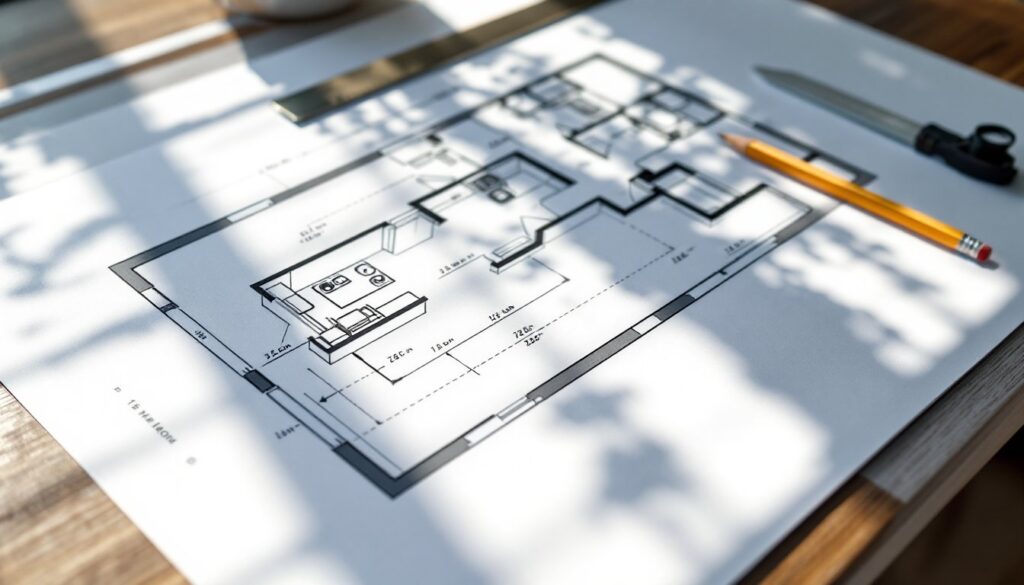
Building a tiny home under $10,000 is achievable for hands-on builders willing to invest time, research materials carefully, and make smart compromises on finishes. The budget works best for DIY kits, shed conversions, or salvage-heavy builds where labor is self-performed. Don’t skip the legal assignments, zoning and permits determine whether the project ends in a cozy retreat or a code-violation headache. Start with a solid plan, nail down placement logistics, and tackle the build in phases as funds allow.