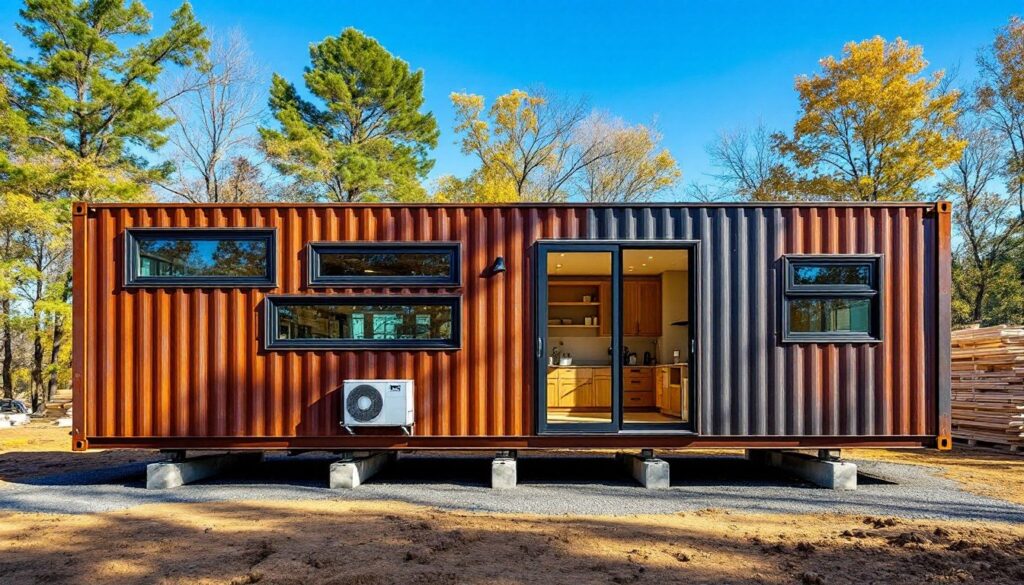
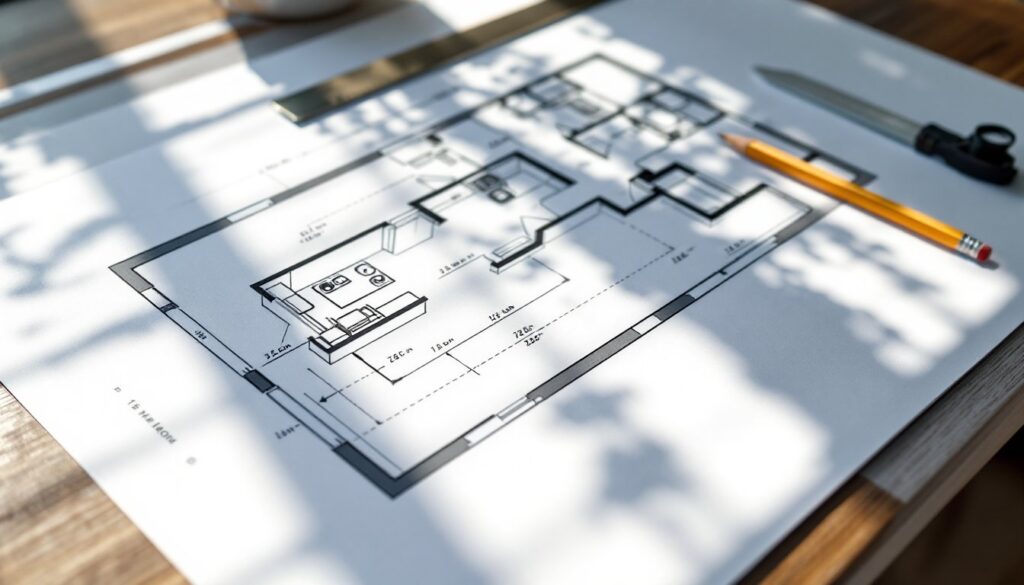
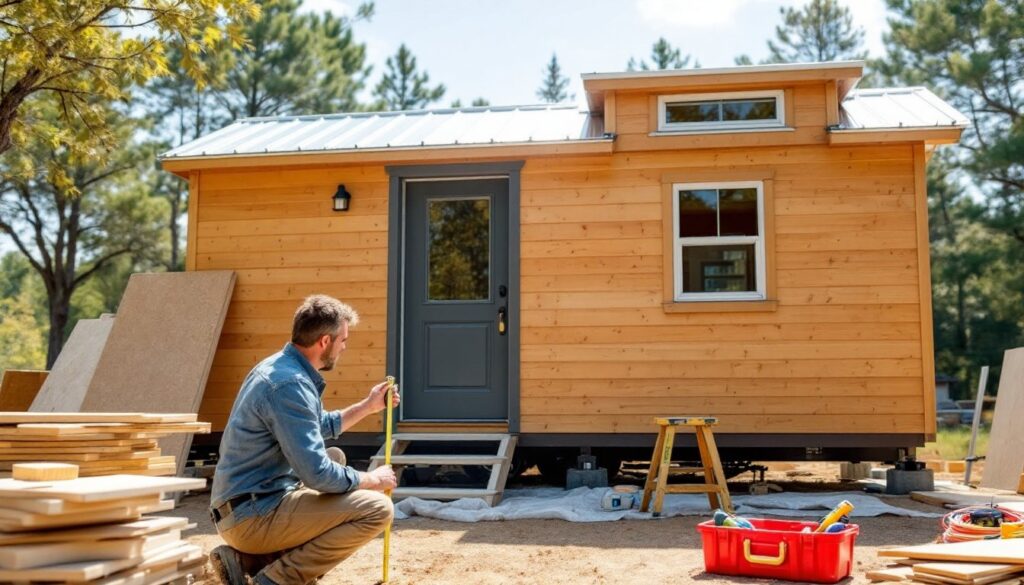
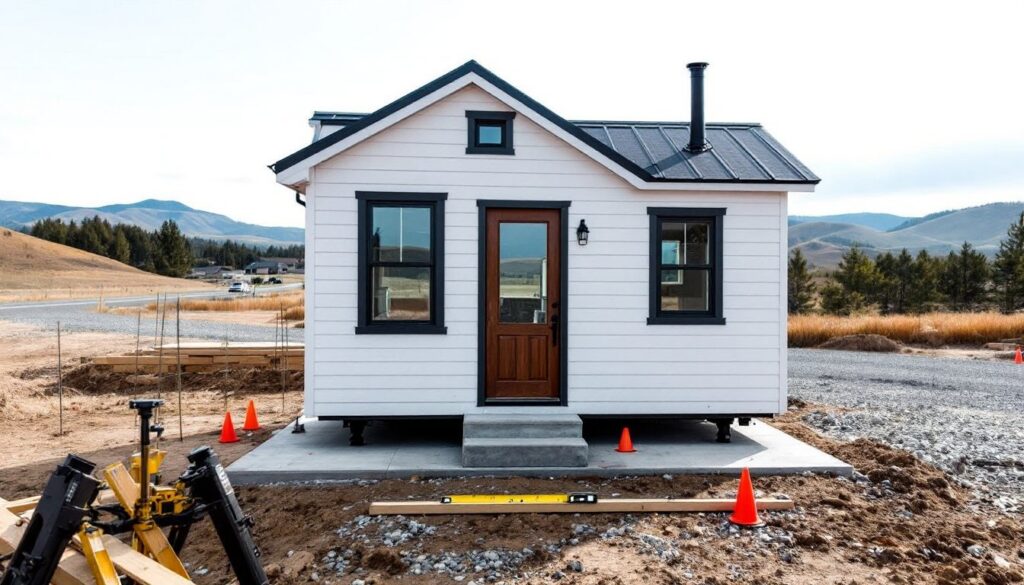
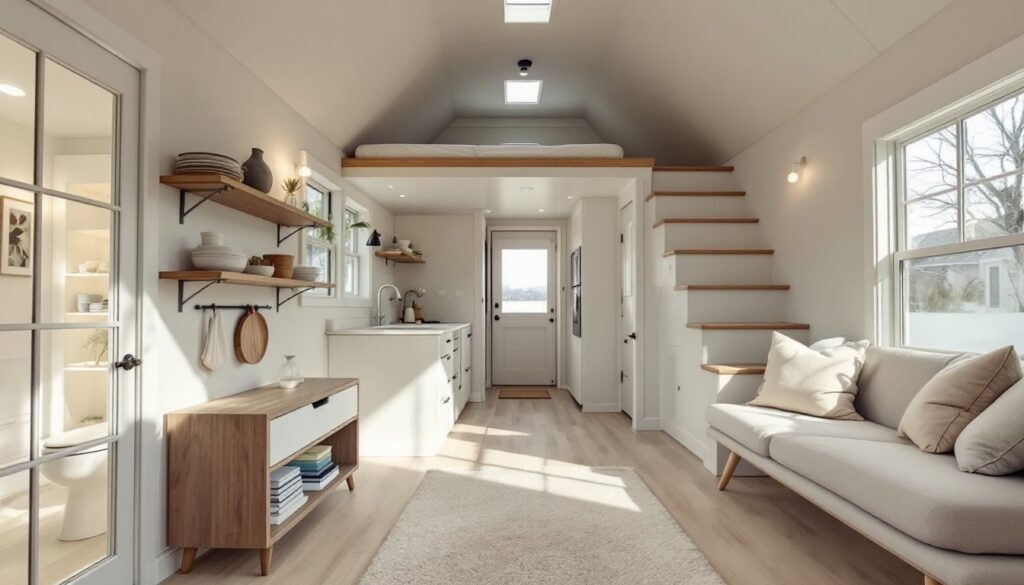
Imagine trading in your sprawling mansion for a cozy tiny home that’s not just adorable but also eco-friendly. Tiny homes are all the rage, and for good reason. They promise a minimalist lifestyle that cuts down on clutter, costs, and carbon footprints. Who knew that living small could pack such a big punch in the sustainability department?
Overview of Tiny Home Sustainability
Tiny home sustainability encompasses environmental, economic, and social factors that promote responsible living. This approach prioritizes efficiency and minimizes resource use, contributing to a healthier planet.
Definition and Importance
Tiny home sustainability refers to living in smaller spaces that reduce environmental impact while promoting a sustainable lifestyle. Emphasizing less consumption, this concept advocates for eco-friendly materials, energy-efficient systems, and waste reduction. Such homes often lead to substantial savings. For instance, average costs can drop by 60% compared to traditional housing. This financial relief supports the eco-friendly movement and encourages a shift toward mindfulness in consumption patterns.
Key Principles of Sustainability
Key principles of sustainability in tiny homes include energy efficiency, responsible sourcing, and minimal waste creation. Energy efficiency encompasses the use of solar panels and energy-efficient appliances that lower utility costs and carbon footprints. Responsible sourcing involves choosing reclaimed or sustainably sourced materials for construction and furnishings. Minimizing waste focuses on clever storage solutions and recyclable materials to reduce landfill contributions. By integrating these principles, tiny home occupants promote sustainable living and inspire others to adopt similar practices.
Environmental Benefits
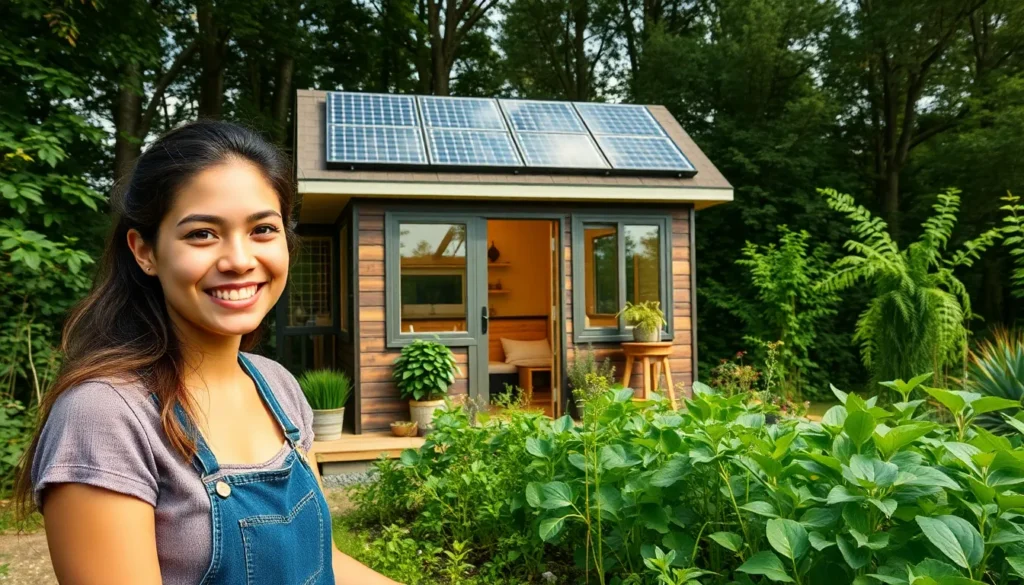
Tiny homes offer numerous environmental advantages, contributing significantly to sustainability efforts.
Reduced Carbon Footprint
Living in a tiny home lowers carbon footprints, as these structures require fewer materials and resources. Smaller spaces need less energy for heating and cooling. Reports indicate that tiny homes can reduce individual carbon emissions by up to 45% compared to traditional homes. Less space encourages minimalism, prompting residents to own fewer possessions. Eco-friendly features, like solar panels and composting toilets, further decrease reliance on nonrenewable resources. Ultimately, the compact design and efficient use of space lead to a greener lifestyle.
Efficient Resource Use
Efficient resource use characterizes tiny homes, maximizing utility while minimizing waste. Residents often utilize sustainable building materials, such as reclaimed wood and bamboo, reducing environmental impact. Smart layouts enhance functionality, ensuring every square foot serves a purpose. Water-saving fixtures and energy-efficient appliances further optimize resource consumption. Studies reveal tiny homes can cut household resource use by 50% or more. Prioritizing efficiency inspires residents to adopt more sustainable habits, benefiting the environment and promoting responsible living.
Social Aspects of Tiny Living
Tiny living fosters unique social dynamics that strengthen community ties and promote shared resources.
Community Building
Community building thrives in tiny home living. Individuals often find themselves in close proximity with neighbors, resulting in enhanced social interactions. Micro-communities, centered around shared values and goals, frequently emerge. Residents can participate in cooperative activities such as community gardens or shared workshops, which encourage collaboration. Furthermore, communal spaces in tiny home villages support gatherings and social events, fostering a sense of belonging. Studies confirm that neighbors within tiny home environments often report greater satisfaction in their social lives. As a result, these communities not only offer support but also promote sustainable living practices through collective efforts.
Minimalist Lifestyle
Choosing a minimalist lifestyle plays a crucial role in tiny living. Less space means fewer possessions, allowing individuals to prioritize what truly matters. Decluttering often creates a mental shift towards valuing experiences over material items. Residents commonly focus on quality over quantity, investing in items that serve multiple functions. This approach reduces consumption and promotes resourcefulness, directly contributing to sustainability efforts. Research indicates that embracing minimalism can lead to a reduction in stress levels and a clearer mindset. Ultimately, tiny living encourages a purposeful lifestyle that aligns with eco-friendly principles and responsible living.
Economic Advantages
Tiny homes offer significant economic advantages that attract many to adopt this lifestyle. These benefits extend to cost-effective living and a notable impact on the housing market.
Cost-Effective Living
Cost-effective living stands as a primary appeal of tiny homes. Residents often save up to 60% on housing expenses compared to traditional homes. Utility bills decrease due to smaller square footage demanding less energy to heat and cool. Insurance premiums typically drop because of reduced property values and risks. Maintenance costs also lessen, as smaller spaces require fewer materials and labor. Individuals enjoy increased financial flexibility, enabling them to allocate funds towards experiences rather than possessions. Additionally, the minimalist lifestyle of tiny living encourages budget-conscious decisions, promoting creativity in sustainable practices and resource management.
Impact on Housing Market
The impact on the housing market defines another economic advantage of tiny homes. Increased small housing options address the demand for affordable housing, particularly in urban areas. Developers report growing interest in creating tiny home communities as potential solutions to housing shortages. These communities often facilitate shared resources, reducing individual costs and increasing communal support. Furthermore, tiny homes attract diverse demographics, including young professionals and retirees seeking downsized living. Investors recognize this trend, leading to innovative financing models that increase accessibility. Overall, tiny homes contribute to a shifting market landscape that prioritizes affordability and sustainability.
Challenges of Tiny Home Sustainability
Tiny home sustainability faces unique challenges that can impact their effectiveness. Understanding these hurdles is essential for promoting sustainable living in compact spaces.
Zoning and Regulations
Zoning laws often restrict where tiny homes can be placed. Many municipalities classify tiny homes as temporary structures, limiting long-term habitation. Compliance with building codes can pose challenges as well, with size limitations complicating traditional construction standards. Obtaining permits frequently requires navigating complex regulations, resulting in delays and higher costs. This regulatory environment often discourages potential tiny home builders and buyers from pursuing sustainable living options.
Accessibility and Affordability
Accessibility remains a significant challenge for tiny home enthusiasts. Many individuals encounter obstacles when trying to find suitable land to place their tiny homes. Limited availability of land, especially in urban areas, drives up costs and makes it difficult to secure affordable solutions. Affordability becomes an even greater issue when considering the initial investment needed for off-grid systems, eco-friendly amenities, and sustainable materials. Overcoming these barriers is essential for expanding tiny home sustainability and ensuring that a minimalist lifestyle remains attainable for diverse demographics.
Conclusion
Tiny home sustainability embodies a transformative approach to living that prioritizes eco-friendliness, community, and financial freedom. By embracing a minimalist lifestyle, individuals can significantly reduce their environmental impact while fostering deeper connections with their neighbors. The economic advantages further enhance the appeal of tiny homes, offering a viable solution to the housing crisis.
As more people recognize the benefits of this lifestyle, the movement toward tiny home living is likely to gain momentum. Overcoming zoning and accessibility challenges will be crucial for making tiny homes a mainstream option. With continued advocacy and innovation, tiny home sustainability can pave the way for a healthier planet and a more connected society.