Table of Contents
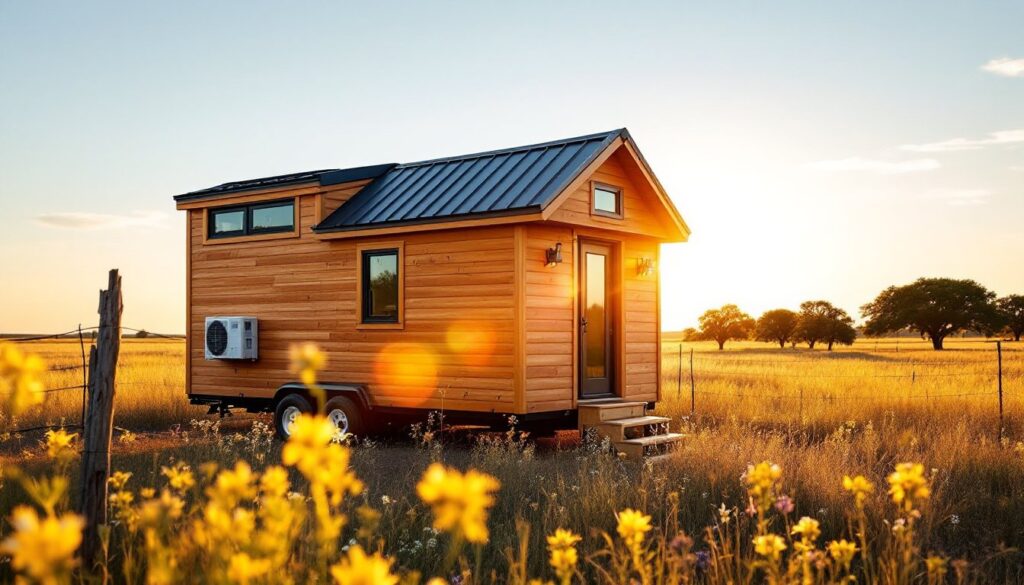
ToggleTexas has become one of the hottest markets for tiny homes in America, and it’s not hard to see why. With sprawling rural land, progressive zoning in select cities, and a lower cost of living than coastal states, the Lone Star State offers serious advantages for anyone looking to downsize without sacrificing quality of life. Whether someone’s chasing financial freedom, environmental sustainability, or the romance of simplified living, tiny homes in Texas provide a viable path forward, if buyers know where to look and what to watch for.
Key Takeaways
- Texas is an ideal location for tiny homes in America due to affordable land (under $10,000 per acre in rural counties), no state income tax, and lower property taxes compared to coastal states.
- Tiny homes in Texas range from $50,000 to $120,000 for new turnkey builds, while used homes cost $25,000 to $70,000, making them substantially cheaper than the state’s median home price of $303,000.
- Austin, Spur, Waco, and Houston have the most progressive zoning regulations for tiny homes in Texas, with Austin and Spur leading in ADU (accessory dwelling unit) allowances and permitting flexibility.
- When buying a tiny home, prioritize inspecting the trailer frame integrity, spray foam insulation quality, HVAC systems, electrical codes (30-50 amp service), and roof sealing to ensure durability in Texas’s climate.
- Traditional mortgages are rare for tiny homes; instead, buyers should explore specialty lenders, personal loans (with rates 1-3 points higher), or RV insurance for RVIA-certified builds to ensure proper financing and coverage.
- Always verify local zoning codes before purchasing by contacting county clerks or planning departments, as tiny home regulations vary block-by-block across Texas and improper classification can lead to costly legal issues.
Why Texas Is the Perfect State for Tiny Home Living
Texas offers three major advantages that make it a standout location for tiny home buyers: land availability, cost efficiency, and climate flexibility.
First, land is plentiful and affordable, especially outside major metro areas. Rural counties like Bastrop, Llano, and Trinity routinely list parcels under $10,000 per acre, making it feasible to buy a plot and park or build a tiny home without draining savings. Unlike crowded markets in California or the Pacific Northwest, Texas sellers aren’t inflating prices for the “tiny home lifestyle” niche.
Second, the state has no income tax, and property taxes on tiny homes, particularly those classified as RVs or personal property, tend to be significantly lower than traditional residential real estate. Insurance and utilities also run cheaper in many regions, though buyers should account for septic, water well installation, or utility hookups depending on location.
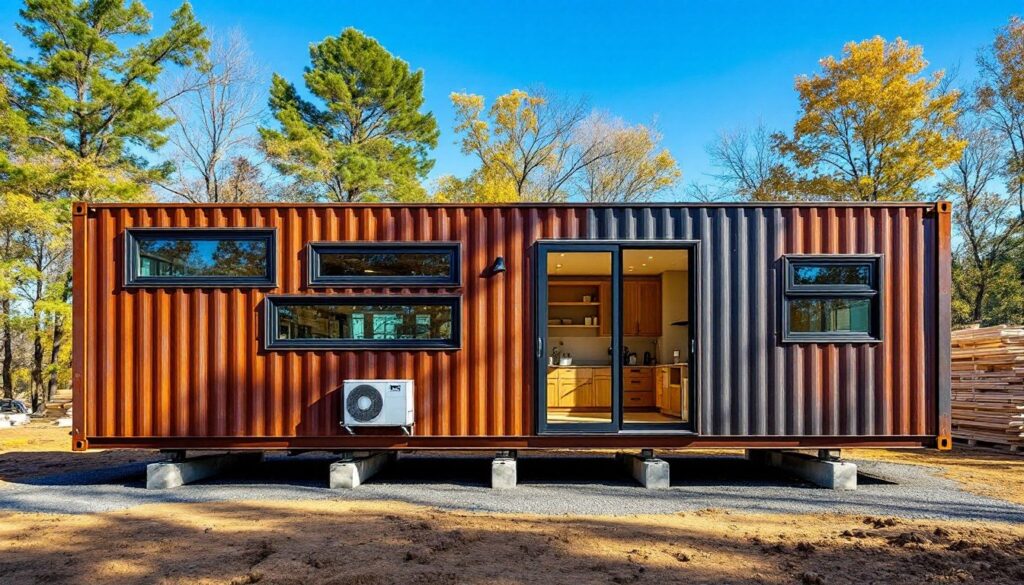
Third, Texas’ climate is manageable year-round with proper planning. While summers demand quality insulation and mini-split AC units, winters are mild in most regions. A well-built tiny home with spray foam insulation and double-pane windows can stay comfortable without astronomical energy bills. Just avoid single-wall metal builds in regions like West Texas, where temperature swings exceed 40°F in a single day.
Where to Find Tiny Homes for Sale in Texas
Online Marketplaces and Tiny Home Builders
Buyers can source tiny homes from several channels, each with pros and cons.
Online marketplaces like Tiny House Listings, Zillow (filter by “manufactured” or “mobile home”), and Facebook Marketplace regularly feature Texas-based sellers. Some listings are move-in ready: others are DIY projects or shells requiring finish work. Always request full photos of framing, electrical panels, plumbing connections, and the trailer frame if it’s a THOW (tiny house on wheels). Red flags include missing RVIA certification for RV-classified builds or vague descriptions of structural materials.
Texas-based builders such as Incredible Tiny Homes (based in Morristown, TN, but ships to Texas), Nomad Tiny Homes in Austin, and Rocky Mountain Tiny Houses offer turnkey models. Custom builds typically range from $50,000 to $120,000 depending on size, finishes, and appliances. Buying new means warranties and code compliance, but expect 6–12 month lead times in 2026 due to supply chain delays on windows, appliances, and SIPs (structural insulated panels).
Another option: auctions and estate sales. Occasionally, mobile tiny homes appear at rural Texas auctions, often priced well below market if they need cosmetic rehab.
Texas Cities with Tiny Home-Friendly Regulations
Not all Texas cities welcome tiny homes with open arms, but several have adjusted zoning codes to accommodate them.
Austin allows ADUs (accessory dwelling units) on single-family lots and has designated tiny home community developments like Community First. Village. The city requires ADUs to meet IRC (International Residential Code) standards, which means foundation anchoring, utility hookups, and permits.
Spur (population ~1,200) made headlines as the first “tiny house friendly” town in Texas, allowing homes as small as 320 square feet on permanent foundations without restrictive zoning.
Waco permits tiny homes as ADUs in certain zoning districts, and several urban tiny homes have popped up near downtown under updated ordinances.
Houston (unincorporated Harris County) has loose restrictions outside city limits, making it easier to place a tiny home on raw land, though buyers need septic permits and must meet setback requirements.
Always call the local building department before purchasing. Zoning can change block by block, and assumptions lead to expensive mistakes.
What to Look for When Buying a Tiny Home in Texas
Buying a tiny home isn’t like buying a condo. Structural integrity, materials, and utility systems require closer inspection.
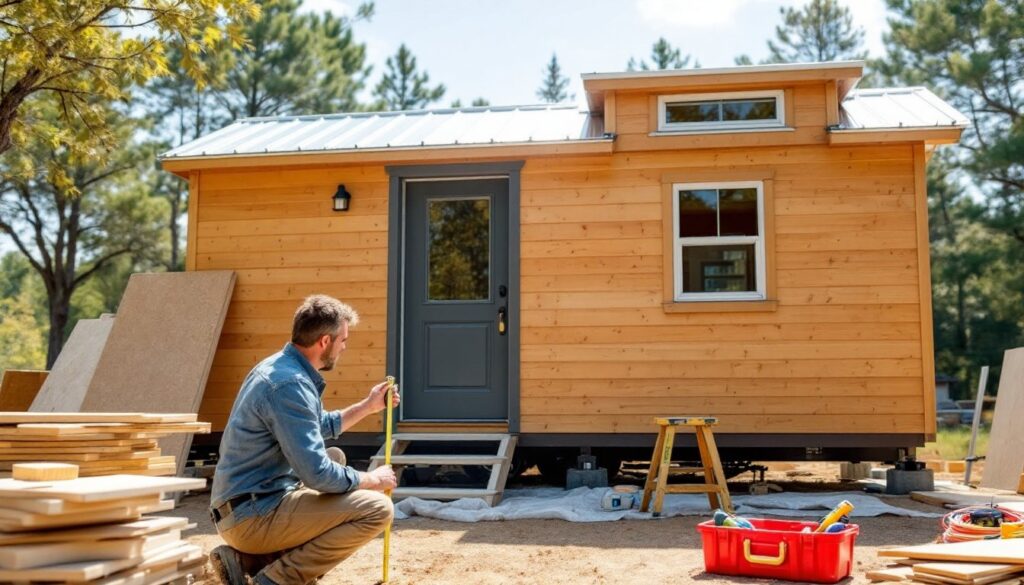
Trailer and frame (for THOWs): Verify the trailer is rated for the home’s weight. A 7,000-pound GVWR trailer is standard for homes under 20 feet, but longer builds need tandem axles and higher ratings. Check for rust, bent axles, or cracked welds. If the home was moved frequently, inspect the subfloor for delamination or water damage near wheel wells.
Insulation and climate control: Texas heat is no joke. Look for spray foam insulation (closed-cell R-6 to R-7 per inch) in walls and ceilings, not fiberglass batts, which settle and allow air gaps. Windows should be double-pane with Low-E coatings. A mini-split heat pump (12,000–18,000 BTU) is the most efficient HVAC option for spaces under 400 square feet.
Electrical and plumbing systems: Confirm the home is wired to code, typically 30-amp or 50-amp service for THOWs. Inspect the breaker panel, outlet placement, and whether the system can handle high-draw appliances (induction cooktop, electric water heater). For plumbing, check for PEX or copper lines (avoid corrugated plastic), proper venting on drain lines, and a functional tankless water heater if included.
Roof and exterior: Metal roofing is common and durable, but seams and fasteners should be sealed with butyl tape or caulk to prevent leaks. Siding options range from LP SmartSide to metal panels: avoid untreated pine or particleboard, which warp in humidity.
Finally, ask about the build’s history. Has it been lived in, or is it a spec model? Lived-in homes reveal real-world performance issues, leaks, ventilation problems, or underpowered systems.
Cost Breakdown: How Much Do Tiny Homes in Texas Actually Cost?
Pricing varies widely based on size, finish level, and whether the home is DIY, used, or professionally built. Here’s a realistic 2026 breakdown for Texas buyers.
New turnkey builds: $50,000–$120,000. A basic 20-foot THOW with standard appliances, laminate counters, and vinyl plank flooring starts around $50k. Upgrade to quartz counters, hardwood floors, composting toilets, and solar prep, and costs climb to $80k–$100k. Luxury models with vaulted ceilings, custom cabinetry, and off-grid systems hit $120k or more.
Used or resale homes: $25,000–$70,000. Depreciation works in buyers’ favor here, especially for homes 3–5 years old. Expect to invest another $5k–$10k in repairs or updates (fresh paint, new appliances, resealing the roof). Many Texas sellers list homes on Tiny House Listings or Craigslist after lifestyle changes or job relocations.
DIY builds: $15,000–$40,000. Buying a trailer ($4,000–$8,000), framing with 2×4 studs on 16-inch centers, sheathing with 7/16-inch OSB, and finishing with reclaimed materials can keep costs low, but expect 6–12 months of weekends and a steep learning curve. DIYers save on labor but need tools, permits, and time.
Land costs: $5,000–$50,000+ depending on location. A half-acre lot in a rural county might cost $10k–$20k, while a city lot zoned for ADUs in Austin runs $40k–$80k.
Utility hookups and site prep: $3,000–$15,000. If the lot lacks water, sewer, and electric, budget $8k–$12k for a septic system, $2k–$5k for electric service installation, and $3k–$10k for a drilled water well in rural areas.
All told, a realistic tiny home cost breakdown for someone buying land and a new home in Texas ranges from $70,000 to $150,000, still far below the state’s median home price of $303,000 in 2026.
Navigating Zoning Laws and Permits for Tiny Homes in Texas
Zoning and permitting are where most tiny home buyers hit roadblocks. Texas is a patchwork of county and city regulations, so research is non-negotiable.
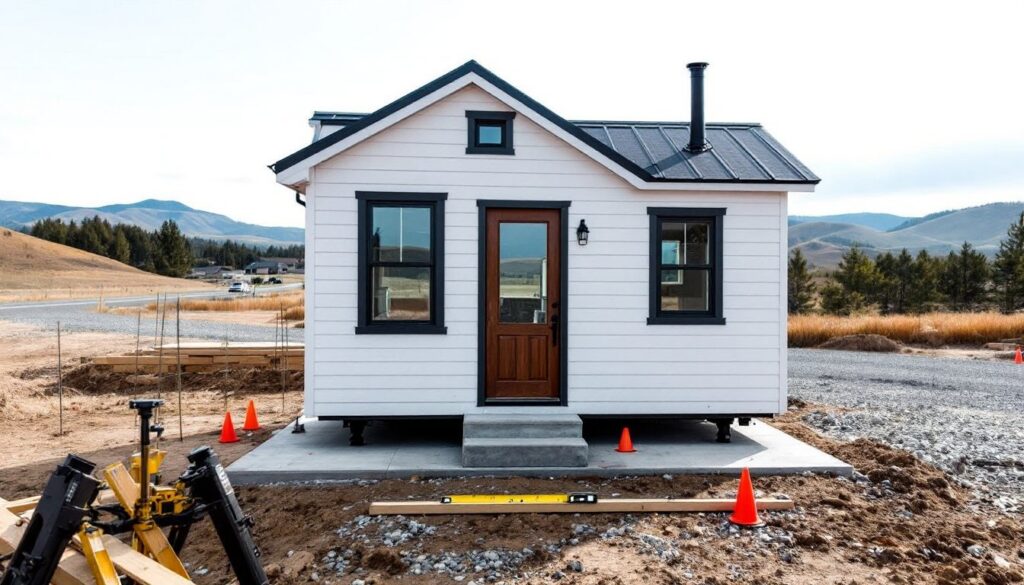
RV classification vs. permanent dwelling: THOWs certified by the RVIA can often be parked on private land classified for RV use, but many cities prohibit full-time RV living. If the tiny home is on a permanent foundation, it’s typically classified as a dwelling and must meet IRC standards, minimum room sizes, ceiling heights (usually 6’8″ in habitable rooms), egress windows, and foundation anchoring per local wind load requirements.
ADU regulations: Cities allowing ADUs usually require the primary residence to exist first, and the ADU must connect to municipal water and sewer. Square footage minimums vary, Austin allows as small as 320 square feet, while other cities set minimums at 400 or 500 square feet.
Building permits: If constructing or modifying a tiny home on-site, permits are required for electrical, plumbing, and structural work. Inspections follow NEC (National Electrical Code) and IPC (International Plumbing Code) standards. Skipping permits risks fines and difficulties selling later, as many buyers require proof of code compliance.
Septic and well permits: Outside city limits, installing a septic system requires county health department approval and soil percolation tests. Well drilling needs permits from the Texas Commission on Environmental Quality (TCEQ) in some regions.
Financing and insurance: Because tiny homes don’t always qualify as “real property,” traditional mortgages are rare. Tiny home loans are available through specialty lenders or personal loans, with rates typically 1–3 points higher than conventional mortgages. Insurance-wise, RVIA-certified THOWs can use RV insurance: foundation-built homes need standard homeowners policies.
Before purchasing, confirm the property is zoned for the intended use. Call the county clerk, visit the planning department, or hire a local zoning consultant. A $200 consultation beats a $60,000 mistake.
Finally, think about resale. Homes in communities with clear ADU or tiny home ordinances tend to appreciate better than those in gray-area jurisdictions. Understanding tiny home resale value factors, like location, build quality, and permit history, helps buyers make smarter investments. For design inspiration and market trends, Dwell and HGTV regularly feature tiny home profiles and buyer guides. Curbed also covers zoning changes and urban housing trends affecting tiny home markets nationwide.
Texas offers real opportunity for tiny home buyers willing to do their assignments. With the right location, a solid build, and proper permits, a tiny home can deliver financial freedom and a lifestyle reset, without the compromises that come with cookie-cutter subdivisions.