Table of Contents
ToggleBuying a tiny house isn’t like shopping for a traditional home. You’re navigating a market with fewer rules, more variables, and pricing that can swing from DIY trailer builds to luxury custom units costing six figures. Whether you’re chasing financial freedom, a minimalist lifestyle, or just tired of mowing a half-acre lawn, understanding what you’re actually buying, and where it can legally sit, matters more than the Instagram-worthy loft bed.
This guide walks through the real costs, where to find reputable builders and used options, zoning headaches you can’t ignore, and how to pay for a structure that most banks still don’t know how to categorize. No fluff, just the practical details that’ll keep you from buying a beautiful house you can’t legally park.
Key Takeaways
- Understanding the true cost of buying a tiny house requires factoring in hidden expenses like transport ($1–$3 per mile), foundation setup ($500–$5,000+), utility hookups ($3,000–$10,000), and specialized insurance ($600–$1,200 annually), which can add 15–20% beyond the purchase price.
- Used tiny houses offer 20–40% savings compared to new models, but require professional inspection by someone experienced with tiny houses to identify code violations, structural issues, and outdated systems that may need costly retrofits.
- Zoning regulations are the biggest barrier to tiny house ownership—many jurisdictions classify them as RVs and prohibit permanent residence, so confirming local parking and legal status with your planning department before purchase is essential.
- Financing a tiny house on wheels typically requires RV loans (6–10% interest) or personal loans rather than traditional mortgages, as most lenders don’t classify mobile tiny houses as real property.
- Certified builders following NOAH or RVIA standards provide better documentation, warranties, and peace of mind than DIY or unverified builds, making them worth the premium for insurance and resale purposes.
Understanding the True Cost of Buying a Tiny House
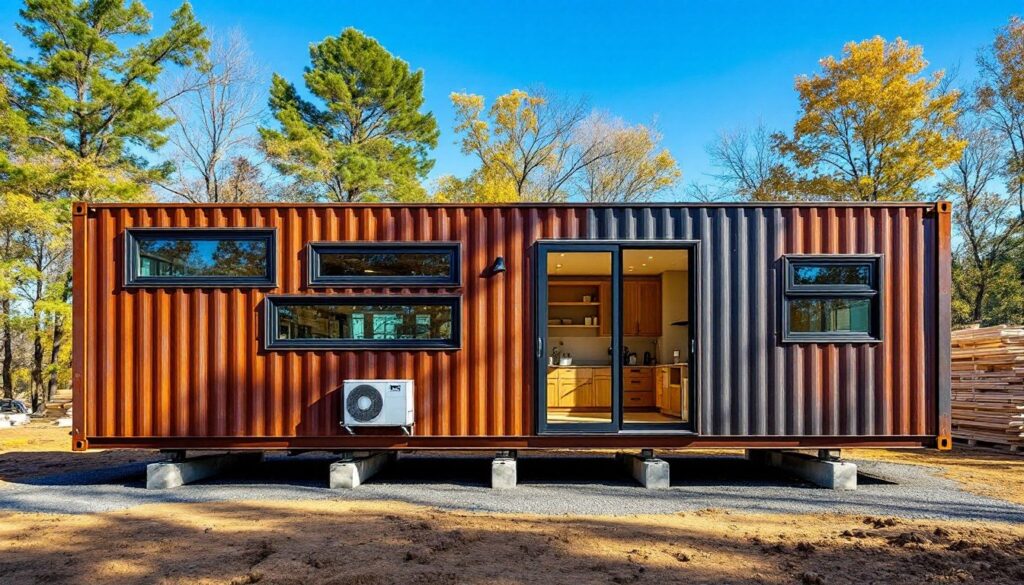
Sticker prices for tiny houses typically range from $30,000 to $150,000, depending on size, materials, and whether it’s a DIY shell or a turnkey custom build. A basic 8′ x 20′ trailer-mounted unit with standard finishes runs around $45,000–$65,000 from established builders. Upgrade to hardwood floors, custom cabinetry, or off-grid solar systems, and you’re easily pushing $100,000+.
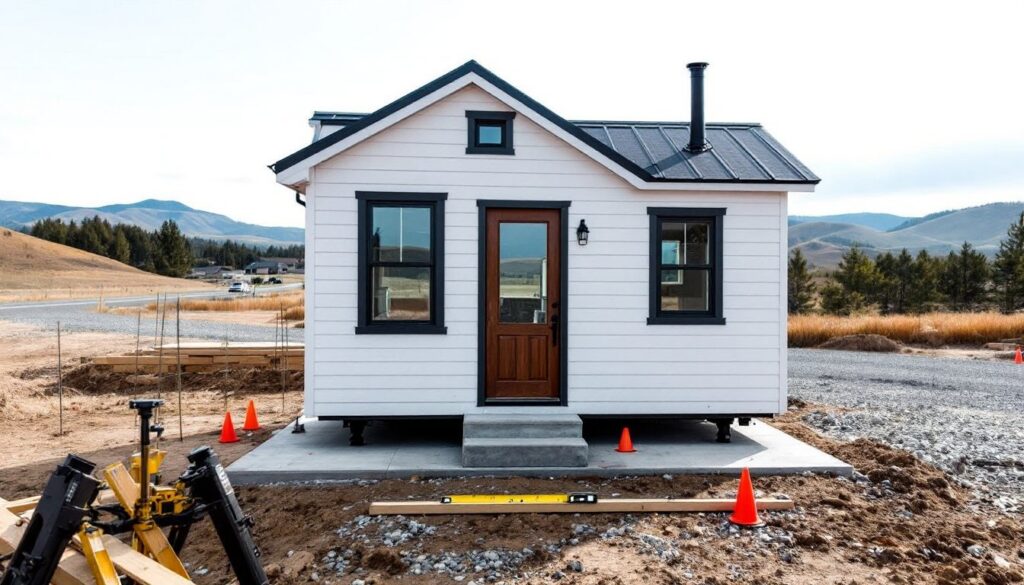
But the purchase price is only the start. Transport costs can add $1–$3 per mile if you’re hiring a professional hauler, moving a tiny house 500 miles could cost $2,500. You’ll also need a parking pad or foundation, which ranges from $500 for gravel leveling to $5,000+ for a permanent pier foundation. Many buyers overlook utility hookups: running electric, water, and sewer to a new site can cost $3,000–$10,000 depending on distance from existing infrastructure.
Insurance is another wildcard. Standard homeowners policies don’t cover tiny houses on wheels: you’ll need specialized tiny house insurance or RV insurance, typically $600–$1,200 annually. And if you’re financing, expect higher interest rates than conventional mortgages, more on that later. Budget an extra 15–20% beyond the purchase price for these hidden costs, or you’ll be stuck with a house and nowhere affordable to put it.
New vs. Used Tiny Houses: Which Should You Buy?
New tiny houses offer warranties (typically 1–2 years on construction), customization, and peace of mind that systems are code-compliant and built to your specs. Reputable builders follow NOAH (National Organization of Alternative Housing) standards or RVIA certification for towable units, which can help with insurance and resale. You’ll wait 3–6 months for construction, but you get exactly what you want, from the trailer frame to the countertop material.
Used tiny houses can save 20–40% off new prices, and availability has grown as early adopters downsize or relocate. Expect to pay $25,000–$80,000 depending on age and condition. The risks? Unknown build quality, potential code violations, and wear on critical components like the trailer frame, axles, and roof membrane. Always inspect the tongue weight, tire date codes, and structural fasteners, a poorly secured tiny house can shift during transport and cause serious damage.
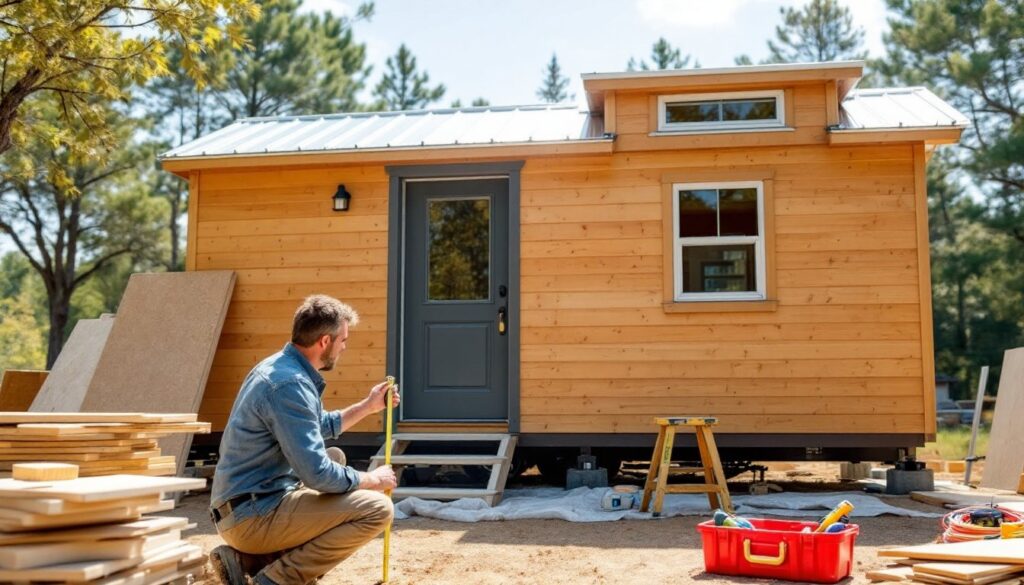
Used models may also come with outdated or DIY electrical and plumbing that doesn’t meet NEC or IRC standards. Hire a home inspector experienced with tiny houses (budget $300–$500) before you buy. If the seller can’t provide build documentation or the unit wasn’t professionally built, walk away unless you’re prepared to retrofit systems yourself. The tiny home resale value can vary significantly based on build quality and compliance, making proper vetting crucial.
Where to Find Tiny Houses for Sale
Start with certified builders who list inventory on their websites or can connect you with clients selling used models. Names like Tumbleweed, Escape, and New Frontier offer both new builds and occasional resales. Builders who follow recognized construction standards provide better documentation for financing and insurance.
Tiny House Listings and Tiny House Marketplace aggregate new and used options nationwide, with filters for price, size, and location. Facebook Marketplace and Craigslist also list tiny houses, but buyer beware, these are often DIY builds with zero warranty or code compliance. If the listing lacks detailed photos of the trailer frame, electrical panel, and plumbing rough-in, keep scrolling.
RV dealers occasionally carry park model tiny houses (under 400 sq ft, built to ANSI A119.5 standards), which are easier to finance and insure than custom THOWs (tiny houses on wheels). These units are designed for seasonal or permanent placement in RV parks, not regular highway towing.
For off-grid or custom builds, attend tiny house festivals and shows where builders display models and offer show discounts. You’ll also network with owners who can share real-world experiences. Just don’t buy on impulse, compare at least three builders and get itemized quotes that include the trailer, appliances, and delivery.
Essential Considerations Before You Buy
Don’t sign anything until you’ve nailed down these basics. Most tiny house regrets come from skipping due diligence, not from the house itself.
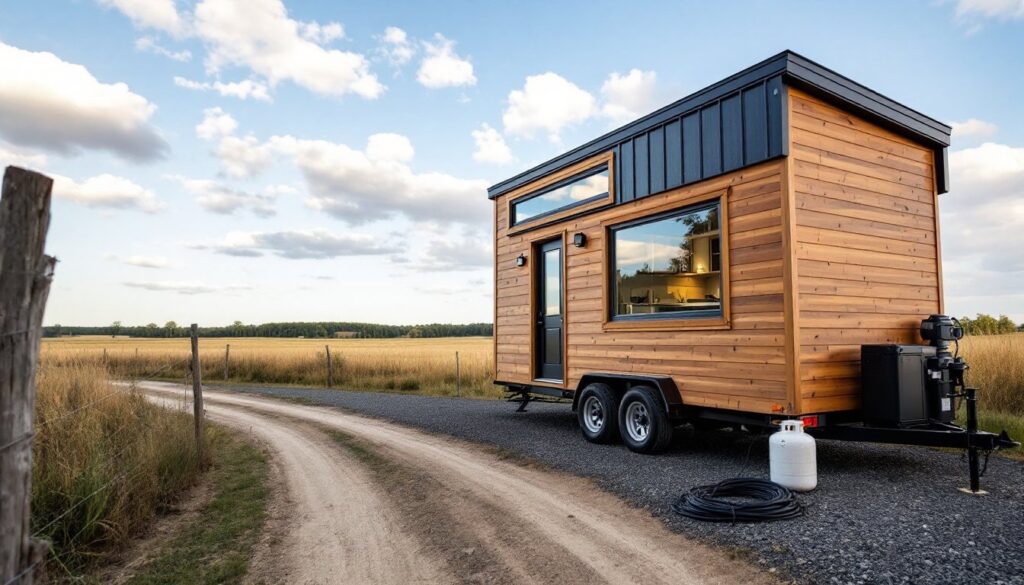
Towing capacity matters if you plan to move the house yourself. A typical 20′ tiny house weighs 8,000–12,000 lbs: you’ll need a 3/4-ton or 1-ton truck with the right hitch and brake controller. Tongue weight should be 10–15% of total weight. If you don’t own a suitable truck, factor in professional hauling costs or buying a vehicle that can handle the load.
Inspect the trailer frame carefully. It should be a custom tiny house trailer with a steel I-beam frame, not a utility or RV trailer retrofitted for living space. Check for rust, weld quality, and that axles are rated for the total weight. Tires should be load range E and less than 6 years old (check the DOT date code on the sidewall).
Utility systems vary widely. Most tiny houses use RV-style hookups (30-amp or 50-amp service, city water connection, and black/gray water tanks). If you’re parking long-term, you may want to upgrade to a residential electrical panel and direct sewer connection. Off-grid setups require a solar array (budget $8,000–$15,000 for a full system), composting toilet, and propane or wood heat. Understanding the full tiny home cost breakdown helps avoid surprises after purchase.
Zoning Laws and Parking Locations
This is where most tiny house dreams hit a wall. Zoning regulations vary wildly by jurisdiction, and many cities classify tiny houses on wheels as RVs, which can’t be used as permanent dwellings in residential zones. Some municipalities allow them as accessory dwelling units (ADUs) if they’re on a permanent foundation, but that often requires removing the wheels and meeting full IRC building codes, which defeats the mobility advantage.
Before you buy, confirm where you’ll park it. Options include:
- Private land: Check local zoning for minimum dwelling size requirements and whether RVs or mobile structures are permitted. Rural counties are generally more flexible.
- Tiny house communities: Purpose-built neighborhoods with shared amenities and clear legal status. Research tiny house communities in your target area.
- RV parks: Some accept tiny houses, but many have restrictions on age, appearance, or permanent residence.
- Backyard placement: Verify ADU rules and setback requirements. Most jurisdictions require a permit, even for a THOW.
Get written confirmation from your local planning or zoning department before buying. Don’t rely on a seller’s claim that “it’s fine in most places.” If you’re caught in a zoning violation, you could face daily fines or be forced to move the house on short notice. The flexibility of mobile tiny homes can be an advantage if local regulations change.
Financing Your Tiny House Purchase
Traditional mortgages don’t apply to tiny houses on wheels, they’re not considered real property. Your financing options depend on the type of structure and how it’s classified.
RV loans are the most common route for certified tiny houses. If your unit is RVIA-certified or classified as a park model RV, you can secure a loan through RV lenders like LightStream, Essex Credit, or local credit unions. Expect interest rates of 6–10% (as of early 2026) and terms of 10–15 years. You’ll need decent credit (usually 650+) and a down payment of 10–20%.
Personal loans work for smaller purchases or used tiny houses without certification. Rates are higher (8–12%+) and terms shorter (5–7 years), but approval is faster and doesn’t require the house to meet specific standards. For those exploring financing paths, reviewing tiny home loan options can clarify which route fits best.
Chattel loans (similar to mobile home financing) are available from some lenders if the tiny house meets minimum size requirements (usually 400+ sq ft). Rates and terms fall between RV and personal loans.
If your tiny house will be on a permanent foundation, you may qualify for a traditional mortgage or construction loan, but you’ll need to meet full IRC building codes, which often means losing the wheels and treating it as a stick-built ADU. This path takes longer and costs more upfront, but offers lower interest rates (around 5–7%) and longer terms (15–30 years). Detailed cost planning resources can help estimate total financing needs.
Some buyers use a home equity line of credit (HELOC) on an existing property or pay cash from savings. Cash purchases are common in the tiny house world, nearly 40% of buyers avoid financing altogether. If you’re selling a traditional home to buy a tiny house, plan for the equity windfall but also the tax implications of that sale.
Conclusion
Buying a tiny house in 2026 requires more assignments than a conventional home purchase, but the payoff, lower costs, simplified living, and mobility, makes it worthwhile for the right buyer. Focus on total cost (not just sticker price), verify zoning before you commit, and choose financing that matches how the house is classified. Whether you’re considering a tiny house for a growing household or a personal retreat, understanding these fundamentals keeps the dream from turning into an expensive headache.