Table of Contents
ToggleFlorida’s tiny home market has exploded in recent years, and for good reason. Between rising housing costs, hurricane-resilient construction options, and year-round outdoor living potential, the Sunshine State offers a unique opportunity for downsizers, retirees, and minimalists. Whether you’re hunting for a prefab shell to customize or a turnkey retreat on wheels, Florida’s combination of favorable climate, no state income tax, and growing tiny-friendly communities makes it one of the most compelling markets in the country. This guide walks through everything buyers need to know, from navigating zoning hurdles to choosing the right builder and financing your purchase.
Key Takeaways
- Florida’s year-round mild climate and lack of state income tax make tiny homes for sale in Florida particularly affordable, especially for retirees and remote workers downsizing from high-tax states.
- Tiny homes on wheels (THOWs) and park models are the easiest to place in Florida because they’re classified as RVs, allowing buyers to avoid strict zoning restrictions that often apply to foundation builds.
- Zoning laws vary significantly by county and municipality in Florida, with many jurisdictions requiring minimum square footage of 600–750 square feet for primary residences, so verify placement legality before purchasing.
- New THOWs cost $50,000–$100,000, while foundation tiny homes typically run $150–$250 per square foot, but hidden costs like site prep, utility hookups, and delivery can add $10,000–$40,000 to your total investment.
- RV loans (10–15 years at 6–9% interest) are the primary financing option for THOWs and park models, while traditional mortgages apply only to foundation tiny homes on owned land.
- Hurricane-resilient construction standards in Florida Building Code provide added safety and can qualify newer tiny homes for insurance discounts that offset upfront upgrade costs within a few years.
Why Florida Is the Perfect State for Tiny Home Living
Year-round climate is Florida’s biggest advantage. Unlike northern states where frozen pipes and snow load are real concerns, tiny homes here don’t require the same level of winterization. That means thinner wall assemblies, simplified HVAC systems, and less structural reinforcement, all of which lower upfront costs.
No state income tax sweetens the deal for retirees and remote workers downsizing from high-tax states. Combined with relatively affordable land in rural counties, the savings add up quickly.
Florida’s outdoor lifestyle pairs naturally with tiny living. Most designs incorporate porches, awnings, or outdoor kitchens, effectively expanding usable square footage without adding to the footprint. When your living room is a screened lanai, 300 square feet inside feels a lot more spacious.
Hurricane codes actually work in favor of newer tiny builds. Post-Andrew building standards (Florida Building Code) require wind-rated fasteners, impact glass, and engineered tie-downs, features that many quality tiny home builders already incorporate. If you’re buying new, ask whether the unit meets 120 mph wind load requirements for coastal zones.
Finally, Florida has a growing network of tiny home communities and RV resorts that welcome park models and THOWs (tiny homes on wheels), giving buyers more placement options than in restrictive states.
Types of Tiny Homes Available for Sale in Florida
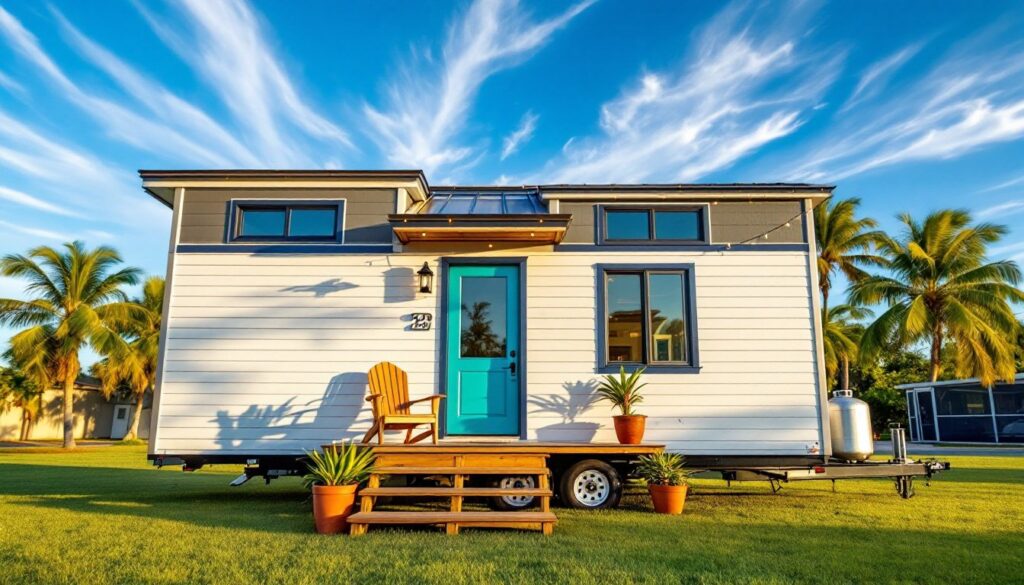
Tiny homes on wheels (THOWs) are the most popular category. Built on a dual-axle or triple-axle trailer (typically 20–28 feet long), these units classify as RVs in most Florida counties, which simplifies placement and avoids some zoning battles. Expect 200–400 square feet of interior space, lofted sleeping areas, and appliances scaled for RV hookups (30- or 50-amp service, LP gas, freshwater/gray tanks).
Park model RVs are larger, up to 400 square feet under ANSI A119.5 standards, and built to RV codes rather than IRC (International Residential Code). They’re designed for semi-permanent placement in RV parks or on private land with utility hookups. These often include slide-outs, full-size appliances, and stick-built aesthetics.
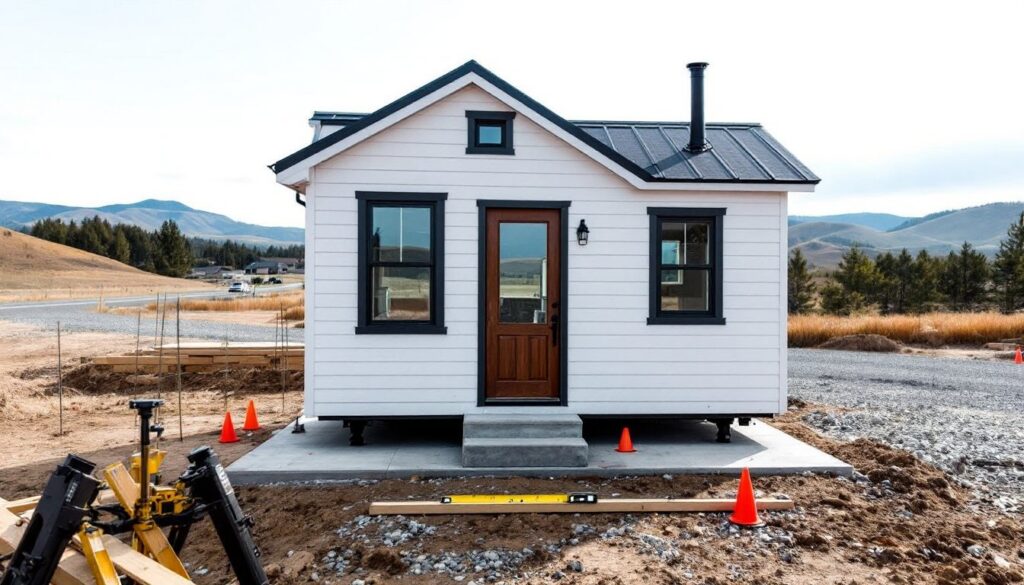
Foundation tiny homes are permanent structures built to IRC Appendix Q standards (if under 400 square feet) or full IRC if larger. These require the same permitting, inspections, and setbacks as traditional homes. If you’re buying land and want a mortgage-friendly option, this is the route, but expect stricter zoning enforcement.
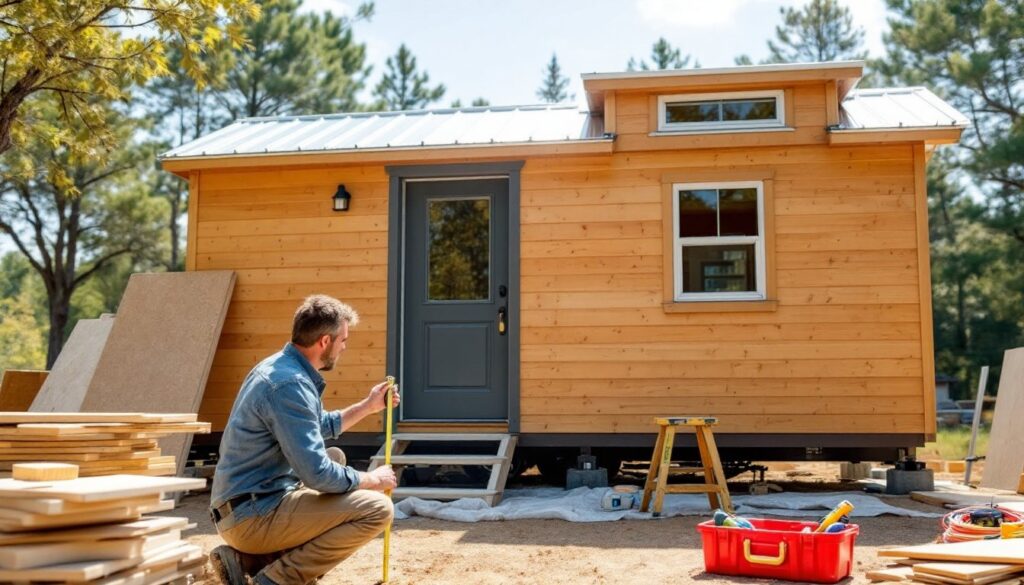
Prefab and modular tiny homes arrive in sections and get assembled on-site. Some Florida builders offer hurricane-rated modular shells with open interiors, letting DIYers finish electrical, plumbing, and fixtures themselves. This can shave 20–30% off turnkey pricing if you have the skills.
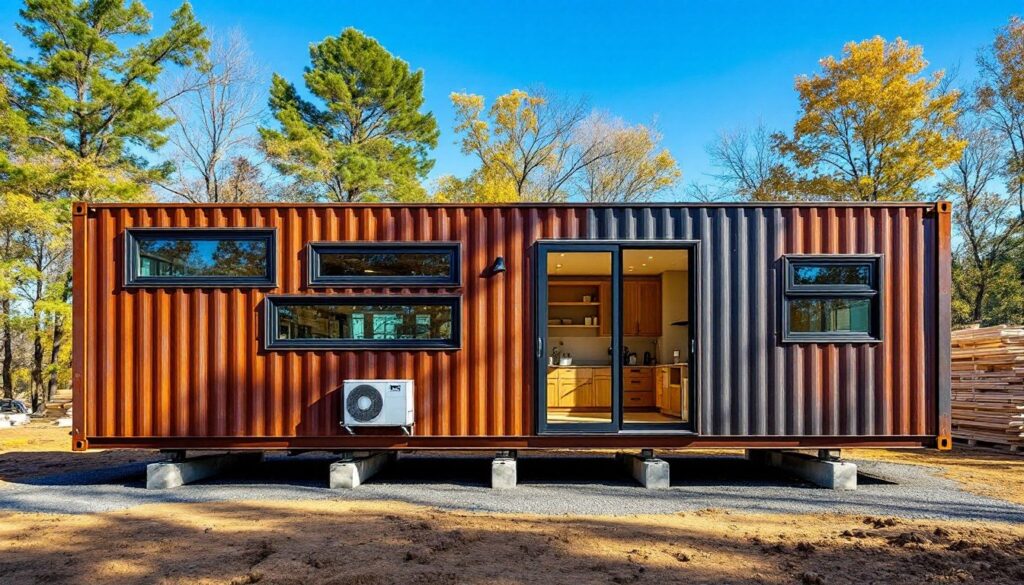
Shipping container conversions are trendy but come with challenges in Florida’s humid climate. Condensation and insulation are critical, spray foam insulation (closed-cell, R-6 per inch) is non-negotiable. Containers also need engineered foundation support since point loads exceed typical slab or pier designs.
Where to Buy Tiny Homes in Florida: Best Builders and Marketplaces
Florida-based builders understand local codes and climate demands. Look for companies that can provide wind certification, ANSI compliance (for park models), or IRC compliance (for foundation builds). Ask for references, tour completed models, and verify whether they handle delivery, setup, and utility hookups.
Some builders specialize in mobile tiny homes designed for frequent relocation, while others focus on resort-quality park models. Match the builder’s expertise to your intended use.
Online marketplaces like Tiny House Listings, Tiny Home Builders, and even Facebook Marketplace have active Florida inventory. Used THOWs often sell for 40–60% of new pricing, but inspect thoroughly, check for roof leaks, frame rust (especially on trailers), and whether appliances meet current safety standards. For design inspiration and examples of Florida builds, Tiny House Nation showcases highlight what’s possible in the state’s climate.
RV dealers sometimes carry park models and certified tiny homes. They may also offer financing and trade-in options, which direct tiny builders rarely do.
Direct from manufacturer (often out-of-state) can save money, but factor in transport costs, $1.50–$3.00 per mile is typical for wide loads. Shipping a THOW from Oregon to Florida can add $4,000–$7,000 to the price. Also confirm the builder will handle Florida-specific permitting or provide stamped engineering drawings if required by your county.
Classifieds and auctions occasionally list repo units or estate sales. These can be bargains, but title issues and code compliance are common pitfalls. If the unit was never permitted or inspected, bringing it up to code may cost more than buying new.
Florida Zoning Laws and Regulations for Tiny Homes
Florida has no statewide tiny home law, so regulations vary wildly by county and municipality. This is the biggest headache for buyers.
THOWs and park models are easiest to place. If the unit is RVIA-certified (Recreational Vehicle Industry Association) or meets ANSI A119.5, most counties allow it in RV parks, campgrounds, or on agricultural-zoned land. Some counties permit RVs as accessory dwelling units (ADUs) on residential lots, but typically only for family members and with time limits (often 6–12 months).
Foundation tiny homes must meet minimum square footage requirements, which vary by jurisdiction. Many Florida counties require at least 600–750 square feet for a primary residence, effectively banning sub-400-square-foot homes on standard residential lots. Exceptions exist for ADUs in counties that adopted recent ADU ordinances (Miami-Dade, Sarasota, and others), but these usually cap ADUs at 35–50% of the primary dwelling’s size.
Setbacks and lot coverage also apply. Even if your county allows a 300-square-foot home, you’ll still need to meet front, side, and rear setbacks (often 25 feet front, 7.5 feet sides, 15 feet rear) and stay under maximum lot coverage percentages.
Permits are required for foundation builds. Expect electrical, plumbing, building, and possibly mechanical permits. Inspections will verify compliance with the Florida Building Code, which includes hurricane provisions. THOWs placed as RVs generally don’t require building permits, but you may need a zoning approval or land use permit.
Septic and water are non-negotiable for off-grid placements. If your land isn’t on municipal sewer, you’ll need a septic permit from the Florida Department of Health. Tiny homes often use composting toilets or incinerator toilets to avoid septic costs, but not all counties allow these as primary systems.
HOAs and deed restrictions can override county codes. Always check before buying land or a home in a deed-restricted community.
Cost Breakdown: What You’ll Pay for a Tiny Home in Florida
New THOWs range from $50,000–$100,000 for professionally built, turnkey units (200–350 square feet). High-end custom builds with premium finishes, off-grid systems, and smart home tech can hit $120,000–$150,000.
Park models (up to 400 square feet) typically run $60,000–$110,000 new. Used models start around $30,000–$50,000, depending on age and condition.
Foundation tiny homes cost more per square foot due to permitting, foundation work, and site prep. Budget $150–$250 per square foot all-in, so a 400-square-foot home might total $60,000–$100,000 after site work, utility connections, and landscaping.
DIY shell kits start around $20,000–$40,000 for a weathertight structure. You’ll still need to budget for:
- Electrical and plumbing rough-in: $3,000–$7,000 (depending on complexity and whether you DIY)
- Appliances and fixtures: $4,000–$8,000 (mini-split HVAC, on-demand water heater, induction cooktop, composting toilet or RV toilet)
- Interior finishes: $5,000–$12,000 (flooring, cabinetry, trim, paint)
Buyers often underestimate site costs:
- Land: $10,000–$100,000+ (rural north Florida vs. coastal lots)
- Site prep and foundation: $3,000–$10,000 (grading, pier foundation, or slab)
- Utility hookups: $2,000–$15,000 (well and septic can exceed $10,000: municipal taps vary by jurisdiction)
- Delivery and setup: $1,500–$7,000 (depends on distance and whether cranes are needed)
For a detailed look at where every dollar goes, reviewing a full cost breakdown for tiny homes helps avoid budget surprises.
Hurricane upgrades (impact windows, reinforced tie-downs, metal roofing) add $5,000–$15,000 but are worth it in coastal zones. Insurance discounts often offset the upfront cost within a few years.
Financing and Insurance Options for Florida Tiny Homes
Traditional mortgages don’t apply to THOWs or park models since they’re titled as vehicles, not real property. For foundation tiny homes on owned land, some lenders will write construction loans or small-balance mortgages, but expect higher interest rates and shorter terms if the home is under 600 square feet.
RV loans are the most common financing route for THOWs and park models. Terms run 10–15 years with interest rates currently around 6–9% (as of early 2026, rates fluctuate). Down payments typically range from 10–20%. Not all lenders finance homes under $50,000, so shop around.
Personal loans work for smaller purchases or DIY builds. Rates are higher (8–12%), terms shorter (5–7 years), and loan amounts capped (usually $50,000 max), but approval is faster and less documentation-intensive.
Chattel loans (secured by the tiny home itself, not land) are emerging as a niche product. A few credit unions and specialty lenders offer these for certified tiny homes.
For buyers exploring various financing paths for tiny homes, comparing loan structures and understanding how lenders classify the dwelling is critical.
Insurance is tricky. THOWs can qualify for RV insurance if RVIA-certified, but coverage is limited compared to homeowners policies, typically actual cash value, not replacement cost, and lower liability limits. If you’re living full-time in a THOW, disclose that: many RV policies exclude full-time residence.
Homeowners insurance applies to foundation tiny homes. Expect higher premiums in Florida due to hurricane risk, $1,200–$3,000 annually is common for coastal counties. Deductibles often include a separate windstorm deductible (2–5% of dwelling coverage).
Specialty tiny home insurance from companies like HomeAdvisor partners or niche insurers can bridge the gap, offering replacement cost coverage and higher liability limits than standard RV policies. Shop at least three quotes, pricing and coverage vary dramatically.
Conclusion
Buying a tiny home in Florida requires more assignments than a conventional purchase, zoning, financing, and insurance all come with unique wrinkles. But for buyers willing to navigate the regulations, the payoff is real: lower overhead, simplified living, and the freedom to settle in one of the country’s most diverse and welcoming climates. Focus on finding the right builder or used unit, confirm placement legality before you buy, and budget for the hidden costs that trip up first-timers. Done right, a Florida tiny home isn’t just affordable housing, it’s a strategic lifestyle move that prioritizes flexibility and financial breathing room.