Table of Contents
ToggleLiberation Tiny Homes has carved out a reputation for delivering fully finished, high-quality tiny houses that blend craftsmanship with practical living. Unlike many builders who sell bare-bones shells, Liberation focuses on move-in-ready homes equipped with everything from appliances to custom cabinetry. For anyone tired of skyrocketing housing costs or drowning in square footage they don’t use, these compact dwellings offer a tangible alternative. This guide walks through what makes Liberation stand out, what their models cost, where you can legally park one, and how to add your own personal touches once the keys are in your hand.
Key Takeaways
- Liberation Tiny Homes delivers fully finished, move-in-ready dwellings ranging from 160 to 400 square feet, featuring high-end finishes and residential-grade components instead of bare-bones or RV-grade construction.
- Base prices for Liberation tiny homes start around $70,000 for compact models and can exceed $120,000 fully loaded, with financing typically available through RV loans, chattel loans, or personal loans.
- Zoning regulations present the biggest challenge; most municipalities lack clear tiny home codes, so verify local ADU rules, foundation requirements, and whether your property allows trailer-mounted dwellings before purchasing.
- Turnkey construction from Liberation eliminates hundreds of labor hours for customization and sourcing, making it ideal for buyers without carpentry or electrical expertise.
- Personalization options range from exterior siding colors and kitchen layouts to off-grid solar packages and greywater systems, all best planned before construction begins rather than retrofitted later.
- Transport costs ($2–$5 per mile) and utility hookups ($3,000–$7,000) are separate from the base price, and DIY upgrades like floating shelves, smart lighting, and small decks can enhance livability without major structural changes.
What Are Liberation Tiny Homes?
Liberation Tiny Homes is a California-based builder specializing in factory-built tiny houses on wheels and foundation models. They’ve been around since 2015, focusing on turnkey construction, meaning you’re not handed a plywood box and a wish list.
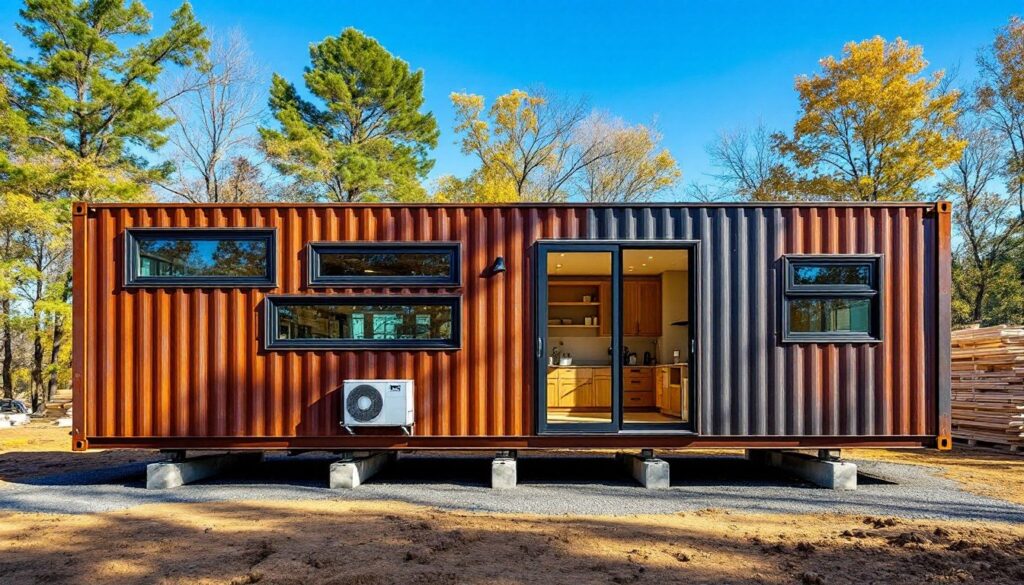
Each unit ships with finished interiors, including tongue-and-groove pine or cedar paneling, luxury vinyl plank (LVP) flooring, full kitchens with stainless appliances, and bathrooms with tiled showers. Electrical is done to NEC standards with a main panel, outlets, and LED lighting throughout. Plumbing runs include PEX supply lines and ABS drain/waste/vent systems. They also handle insulation, typically spray foam in walls and ceiling cavities, which is critical for anyone planning to use these year-round in variable climates.
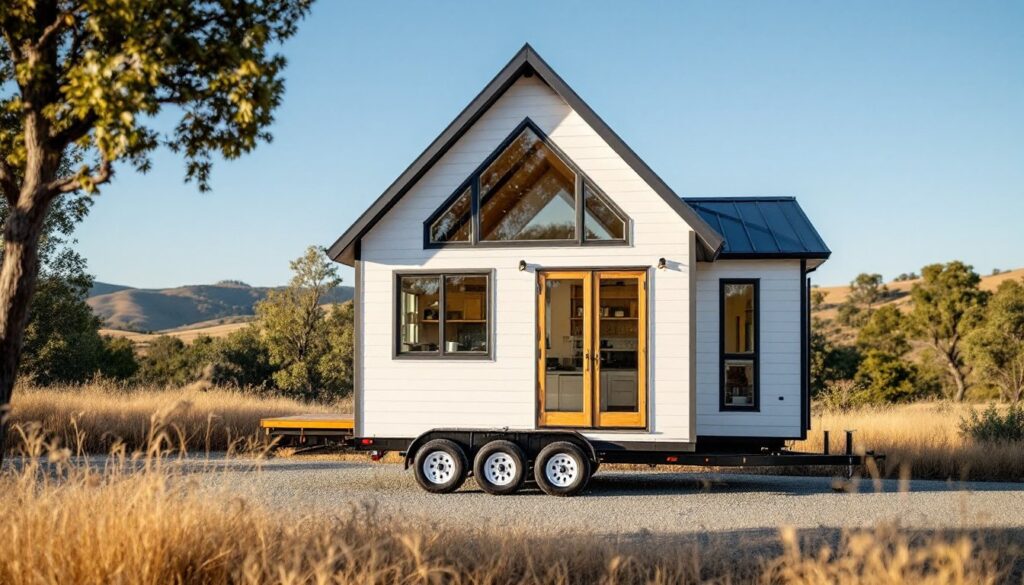
Most Liberation models range from 160 to 400 square feet and are built on heavy-duty steel trailer frames rated for highway towing. If you want a foundation model, they can adapt plans, but the wheeled version remains their signature product. According to Curbed’s 2019 profile, Liberation emphasizes high-end finishes and thoughtful space planning over bare minimalism.
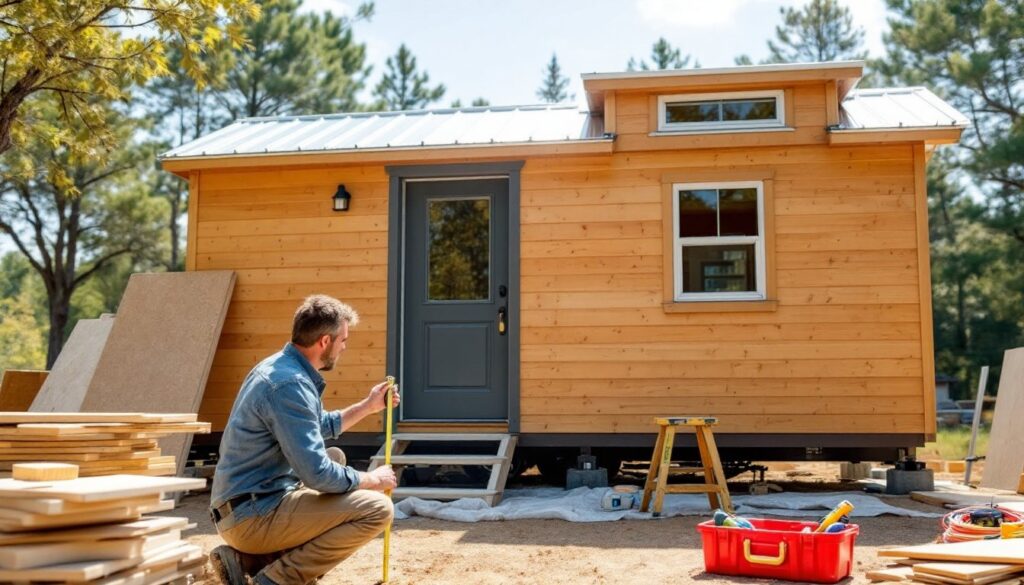
Construction uses standard 2×4 framing on 16-inch centers for walls and 2×6 or engineered joists for floors. Exterior cladding varies, board-and-batten, metal siding, or lap siding depending on the model. Roof pitches are typically 12:12, allowing for sleeping lofts accessed by ladder or staircase.
Why Choose Liberation Tiny Homes for Your Minimalist Lifestyle
Turnkey delivery is the main draw. You’re not sourcing appliances, wiring outlets, or finishing drywall yourself. Liberation delivers a complete home, which saves hundreds of labor hours for buyers who lack carpentry or electrical experience.
Build quality is another factor. They use LP SmartSide or similar engineered siding that resists rot better than standard plywood. Interior finishes like solid wood countertops, ceramic tile backsplashes, and residential-grade fixtures rival conventional homes. Many competing tiny home builders cut corners with RV-grade components that fail within a few years.
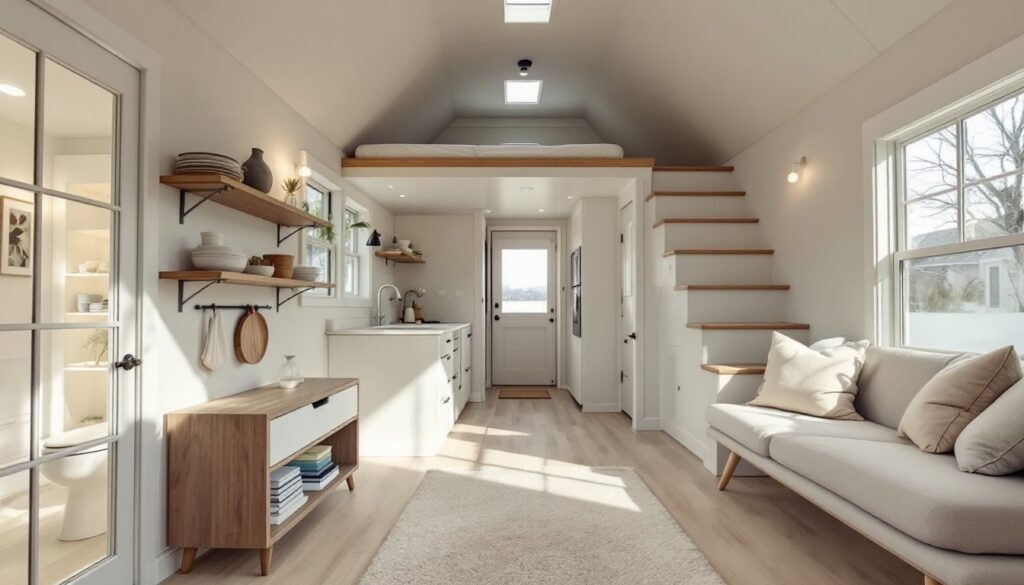
Liberation’s designs prioritize livability over Instagram aesthetics. Ceiling heights in the main living area hit 10 to 13 feet at the peak, reducing the claustrophobic feel common in shoddier builds. Loft spaces are typically 40 to 48 inches tall, enough to sit up but not stand. If you can’t handle a ladder, some models swap the loft for a ground-floor Murphy bed or convertible couch.
Tiny home sustainability is another consideration. Smaller footprints mean lower energy bills, most Liberation homes can run entirely off a 30-amp RV connection or be wired for off-grid solar with a battery bank. Heating and cooling loads are minimal: a single mini-split heat pump or vented propane heater handles the entire space.
For buyers interested in mobility, the trailer-mounted design allows relocation without dismantling the structure. You’ll need a one-ton or larger truck and potentially a commercial towing endorsement depending on your state’s GVWR limits.
Popular Liberation Tiny Home Models and Floor Plans
Liberation offers several base models, each designed around different layouts and size constraints. The Retreat model clocks in around 204 square feet with a single sleeping loft, full kitchen, and bathroom with a standard 60-inch fiberglass shower. It’s built on a 20-foot trailer, making it one of their more compact options.
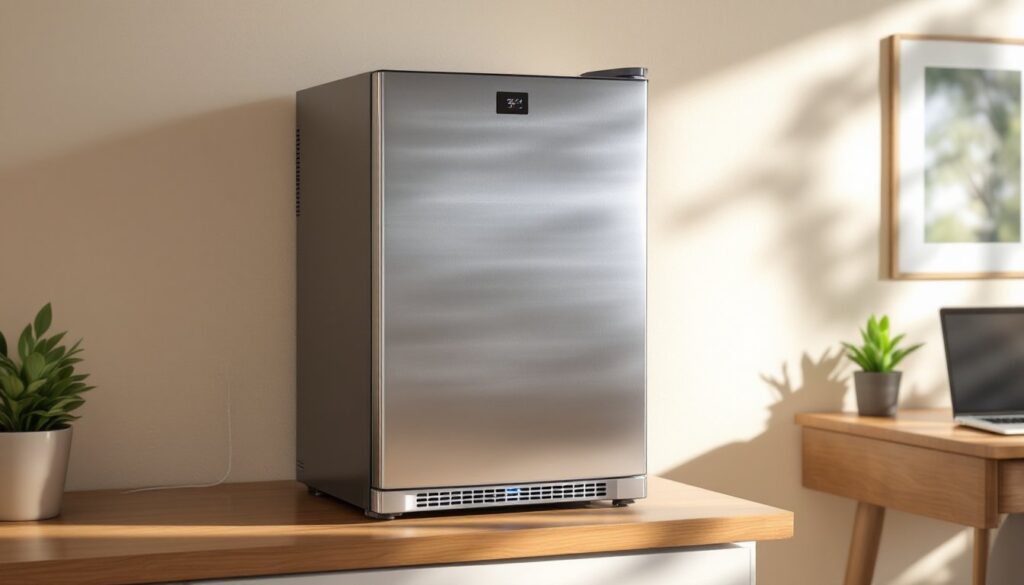
The Vintage model sits at roughly 280 square feet on a 24-foot trailer. It typically includes dual lofts, one over the bathroom, one over the kitchen, plus a main-floor living area. The kitchen features a four-burner propane range, apartment-size refrigerator, and farmhouse sink. Storage is built under stairs leading to the primary loft.
For families or those needing more space, the Luxury model stretches to 320 square feet on a 28-foot gooseneck trailer. The gooseneck hitch carves out room for a ground-floor bedroom over the towing section, eliminating the need for a loft. You get a full-size bathroom with a 32×60-inch shower, washer/dryer hookups, and a separate bedroom door.
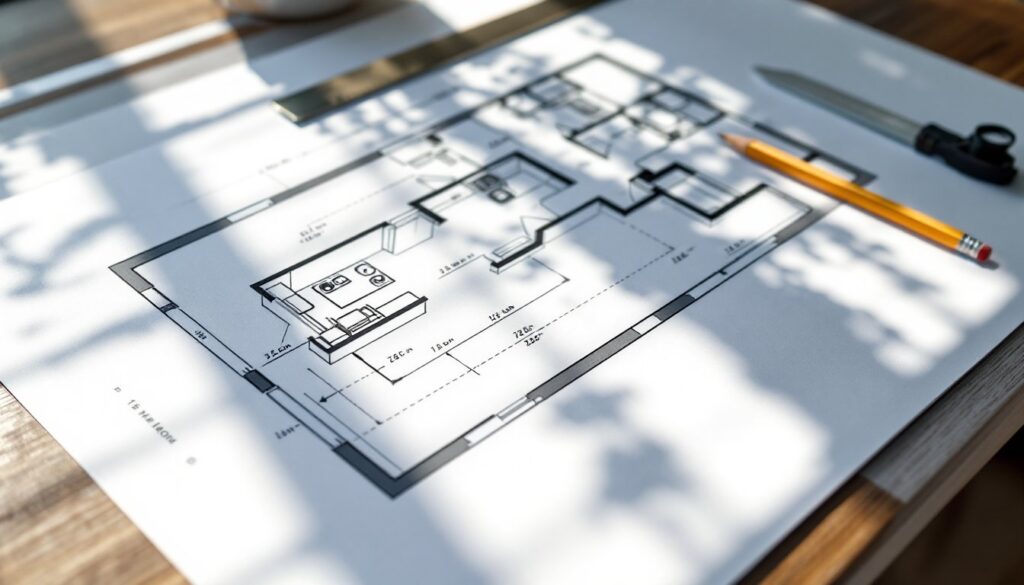
Floor plans can vary based on build year and client requests, but common features include propane-ready hookups for cooking and heating, composting or standard flush toilets, and heat-recovery ventilators (HRV) for fresh air exchange without losing conditioned air.
Customization Options
Liberation allows significant personalization before construction begins. Buyers can specify exterior siding color and material, choose between cedar shiplap or painted pine for interior walls, and select countertop materials, butcher block, quartz, or laminate.
Kitchen layouts can be flipped or modified. If you prefer a galley-style kitchen over an L-shaped one, they’ll adjust framing and plumbing runs accordingly. Appliance upgrades are available: swap the standard 10-cubic-foot fridge for a larger model or add a convection oven.
Loft configurations offer flexibility. Request a staircase with integrated storage drawers instead of a ladder, though this eats into main-floor square footage. Some buyers skip lofts entirely and opt for a custom layout with Murphy beds or convertible furniture.
Electrical and plumbing add-ons include off-grid solar packages (panels, inverter, battery bank), upgraded water heaters (tankless propane or electric), and greywater systems for reusing sink and shower water. Discuss these during the design phase, retrofitting after delivery is costlier and more disruptive.
How Much Do Liberation Tiny Homes Cost?
As of 2026, base models start around $70,000 for smaller builds like the Retreat, while larger gooseneck models can exceed $120,000 fully loaded. Prices fluctuate with lumber costs, appliance supply, and customization extent.
Breaking it down: the trailer alone runs $8,000–$12,000 depending on length and axle rating. Framing lumber and sheathing for a 24-foot model costs roughly $6,000–$8,000 at current rates. Insulation (spray foam) adds another $3,000–$5,000. Interior finishes, flooring, paneling, cabinetry, total $10,000–$15,000. Appliances, fixtures, and electrical components contribute $8,000–$12,000. Labor and overhead account for the remainder.
Compare this to DIY builds, which can run $30,000–$50,000 in materials alone if you’re doing all the work yourself. Liberation’s pricing reflects skilled labor, bulk material purchasing, and factory efficiency. For buyers without carpentry skills or six months of free time, paying for turnkey construction makes sense.
Financing options exist but are trickier than conventional mortgages. Many lenders classify tiny homes on wheels as RVs, requiring RV loans with higher interest rates and shorter terms (10–15 years). Some credit unions offer chattel loans for movable structures. A few buyers use personal loans or cash out home equity from existing properties.
Transport costs aren’t included in the base price. Hiring a commercial hauler to deliver a tiny home can cost $2–$5 per mile depending on route difficulty and permits required. A 500-mile delivery might add $1,500–$2,500 to your total.
Where to Place Your Liberation Tiny Home
Zoning laws are the biggest headache. Most municipalities don’t have clear regulations for tiny homes on wheels, defaulting to RV or mobile home codes that restrict where and how long you can park one. Some jurisdictions allow tiny homes only in designated RV parks or as accessory dwelling units (ADUs) on properties with an existing primary residence.
If you own land, check local minimum square footage requirements. Many residential zones mandate homes be at least 600–1,000 square feet, disqualifying most tiny homes. A few progressive counties have amended codes to allow smaller dwellings, especially if they’re on a permanent foundation and meet IRC building standards.
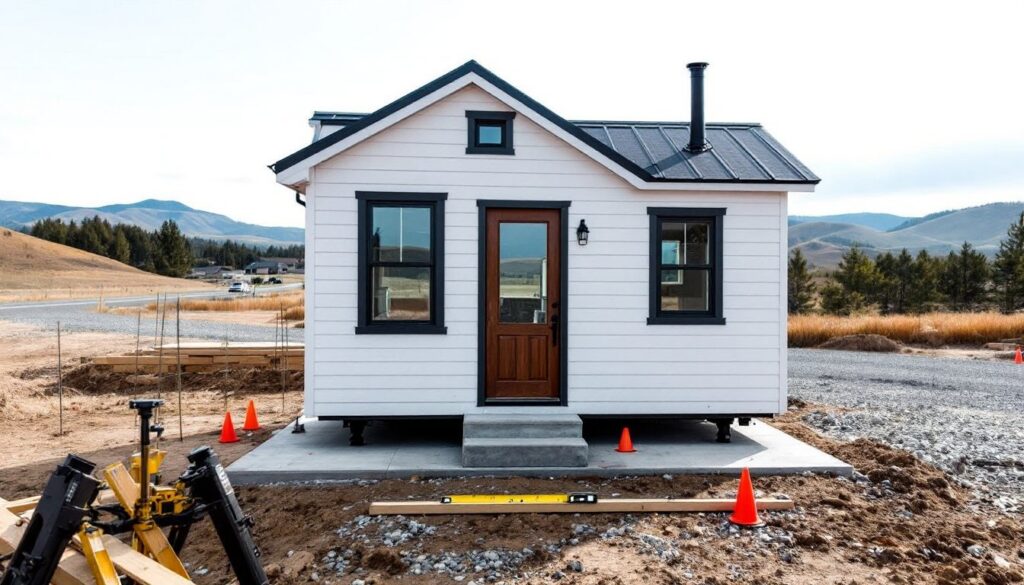
Foundation installation for a wheeled tiny home typically involves removing the axles and setting the structure on concrete piers or a gravel pad with blocking. You’ll need to anchor it to resist wind loads, use earth augers or concrete deadmen with steel cables. Skirting (vinyl, metal, or wood lattice) encloses the gap between ground and floor, improving insulation and pest control.
Some owners place their tiny homes in tiny home communities, which offer shared amenities like water, electric hookups, and septic. Monthly lot fees range from $200 to $600 depending on location and services. These communities often navigate zoning collectively, providing legal cover individual owners lack.
Utility connections require planning. If hooking up to municipal water and sewer, hire a licensed plumber to run lines and install a backflow preventer (required by most codes). For off-grid setups, you’ll need a well or catchment system for water and a septic system or composting toilet for waste. Electric service requires a licensed electrician to install a meter base and connect to the utility’s transformer. Expect $3,000–$7,000 for full utility hookups in a typical scenario.
Some urban areas now allow tiny homes as backyard ADUs, especially in housing-crisis markets. Verify local ADU rules, many cap size, require setbacks, and mandate separate utility meters.
DIY Tips for Personalizing Your Liberation Tiny Home
Even a turnkey build benefits from personal touches. Start with paint and wall treatments. Liberation interiors often feature natural wood, but if you prefer color, use low-VOC latex paint suitable for tongue-and-groove paneling. A small gallon covers roughly 400 square feet, more than enough for accent walls. Light colors reflect natural light and make the space feel larger.
Storage upgrades are critical in tight quarters. Install floating shelves using heavy-duty bracket systems rated for at least 50 pounds. Locate wall studs with a stud finder, tiny homes use standard 16-inch spacing, so mounting is straightforward. Magnetic knife strips, pegboards, and hanging pot racks reclaim counter space. Under-bed storage bins (if you have a ground-floor sleeping area) or pull-out drawers in stair risers maximize every cubic inch.
Lighting changes the ambiance. Swap builder-grade LED fixtures for dimmable versions controlled by smart switches. Add under-cabinet LED strips in the kitchen for task lighting, these run on 12V DC and install with adhesive backing. Battery-powered puck lights work in closets or lofts where running new wiring is a pain.
For accessibility improvements, consider grab bars in the shower (mount to studs or use blocking behind the wall if you’re doing this pre-delivery), lever-style door handles instead of knobs, and contrast paint on stair edges to aid visibility.
Outdoor additions extend usable space. Build a simple deck or patio using pressure-treated 2×6 joists on 16-inch centers with 5/4×6 decking boards. Anchor the frame to concrete footings or ground screws to resist frost heave. A 10×12 deck costs roughly $800–$1,500 in materials. Retractable awnings or a pergola with shade cloth provide weather protection without permanent structures that might violate zoning.
Safety check: When adding anything structural or electrical, verify it doesn’t void Liberation’s warranty. Modifications to framing, roofing, or major systems might require permits depending on local codes. Always wear safety glasses when cutting, drilling, or grinding. Use a dust mask when sanding or working with treated lumber, and keep a fire extinguisher rated for Class A, B, and C fires accessible in the kitchen area.
For families adapting a Liberation model, consider layout tweaks like replacing a loft with bunk beds, adding a fold-down dining table, or installing a washer/dryer combo in a closet. Resale value can be protected by keeping major modifications reversible and maintaining detailed records of any permitted work.