Table of Contents
ToggleBuying a tiny home outright can feel like a financial leap, especially when you’re juggling a down payment, credit checks, and the uncertainty of committing to a space you’ve never lived in. Rent-to-own tiny homes offer a middle ground, letting prospective owners test-drive minimalist living while building equity. This path isn’t a shortcut, though. It comes with its own contracts, pitfalls, and fine print that can make or break the deal. Understanding how rent-to-own agreements work, where to find them, and what to watch out for can turn this arrangement from a gamble into a smart stepping stone toward ownership.
Key Takeaways
- Rent-to-own tiny homes let you test minimalist living while building equity toward ownership, with monthly payments that include a portion credited toward the eventual purchase price.
- Two main rent-to-own structures exist: lease-option (optional purchase) and lease-purchase (mandatory buy), each with different financial and legal consequences if you exit early.
- Before signing a rent-to-own agreement, verify property ownership through county records, clarify whether the tiny home is classified as real property or chattel, and confirm local zoning compliance to avoid forced relocation.
- Essential contract clauses must specify the purchase price, rent credit calculation, maintenance responsibilities, option fee treatment, and appraisal contingencies to protect your investment and credit-building efforts.
- Financing a tiny home at closing requires understanding which lenders accept chattel mortgages, RV loans, or personal loans, so use the rental period to improve your credit score above 640 for better rates.
- Watch for common pitfalls including balloon payments, seller defaults, hidden fees, and deferred maintenance issues that could cost thousands or trigger contract voidance during your path to ownership.
What Is a Rent-to-Own Tiny Home Agreement?
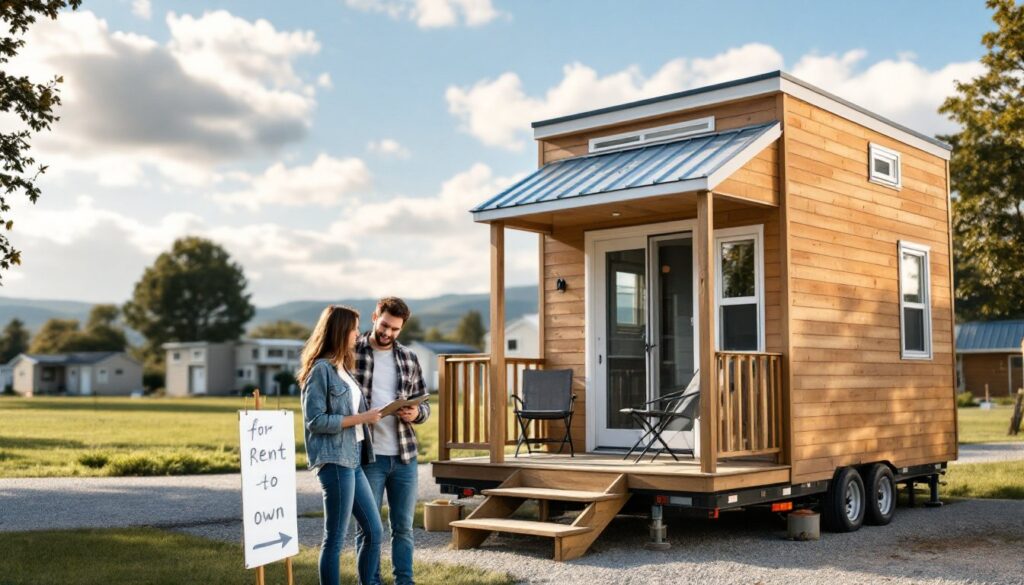
A rent-to-own agreement (also called a lease-option or lease-purchase) lets a renter occupy a tiny home with the option, or obligation, to buy it after a set period, typically 1–3 years. Monthly payments usually exceed standard rent because a portion goes toward the eventual purchase price.
There are two main structures:
- Lease-option: The renter has the option to buy at the end of the term but isn’t obligated. If they walk away, they forfeit the rent credits and any option fee paid upfront.
- Lease-purchase: The renter is contractually required to buy. Backing out can trigger legal consequences or financial penalties.
Most agreements include an option fee, a non-refundable upfront payment (often 2–7% of the home’s price) that secures the right to purchase. This fee may or may not apply toward the down payment, depending on the contract. Rent credits, the extra portion of monthly rent earmarked for the purchase, typically range from 10–30% of the monthly payment.
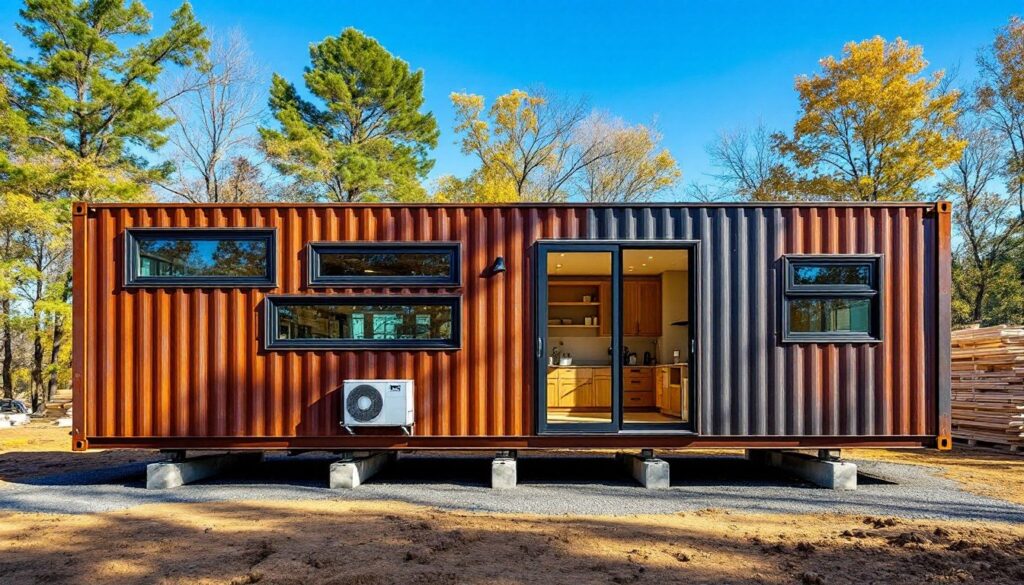
Because tiny homes occupy a gray area between real estate and personal property (many are built on trailers), some contracts treat them as chattel rather than real property. This distinction affects financing options and legal protections, so it’s worth clarifying upfront whether the home is classified as a dwelling on a permanent foundation or a mobile structure.
Why Choose Rent-to-Own for Your Tiny Home?
Rent-to-own makes sense for buyers who need time to improve credit, save for a down payment, or simply confirm that tiny home living fits their lifestyle before committing. It’s also a workaround when traditional mortgage lenders balk at financing tiny homes, especially mobile units under 400 square feet, which often don’t meet conventional loan criteria.
Key advantages:
- Test before you buy: Living in the space for a year or two reveals quirks that a walkthrough won’t, storage limitations, heating inefficiencies, or whether the loft bedroom works for your knees.
- Locked-in price: The purchase price is usually set at signing, which protects against market appreciation. If tiny home values climb, you benefit.
- Credit-building window: Timely rent payments (if reported to credit bureaus) and reduced debt-to-income ratios can boost your score for eventual financing.
- Lower upfront cost: Option fees and first month’s rent beat the typical 10–20% down payment required for a mortgage.
On the flip side, rent-to-own isn’t risk-free. If the seller defaults on their own mortgage or tax obligations, you could lose the home and your rent credits. That’s why title searches and seller vetting matter, even before you technically own anything.
How to Find Tiny Homes for Rent-to-Own
Rent-to-own tiny homes don’t show up on every MLS listing. You’ll need to dig deeper than traditional real estate sites.
Where to look:
- Tiny home builders: Some manufacturers offer in-house rent-to-own programs. Companies like Tumbleweed and Tiny Heirloom occasionally partner with financing firms to structure lease-purchase deals.
- Tiny home communities: Established communities sometimes offer rent-to-own slots for units already on-site. This gives you immediate access to shared amenities (utilities, septic, common spaces) while you build toward ownership.
- Owner-financed listings: Private sellers advertising “owner financing” or “creative financing” on sites like Facebook Marketplace, Craigslist, or Tiny House Listings may be open to rent-to-own terms.
- Real estate agents specializing in alternative housing: A growing number of agents focus on tiny homes, RV parks, and mobile structures. They can draft rent-to-own contracts tailored to your state’s laws.
- Direct outreach: If you find a tiny home for sale that’s been on the market for months, the seller might entertain a rent-to-own offer to move inventory.
Be wary of “too good to be true” deals on social media. Scammers sometimes list properties they don’t own, collect option fees, and vanish. Always verify ownership via county records before handing over money, and real estate platforms like Curbed often highlight trends and red flags in alternative housing markets.
What to Look for in a Rent-to-Own Tiny Home Contract
A poorly written contract can turn a dream into a legal mess. Get everything in writing, verbal promises don’t hold up in court.
Must-have clauses:
- Purchase price and escalation terms: Confirm whether the price is fixed or subject to appraisal at purchase time. Some contracts include escalation clauses tied to market value, which can wipe out your equity if the home appreciates significantly.
- Rent credit calculation: Specify the exact dollar amount (or percentage) applied to the purchase each month. Vague language like “a portion of rent” leaves room for dispute.
- Option fee treatment: Clarify if the fee is fully credited, partially credited, or forfeited if you don’t buy.
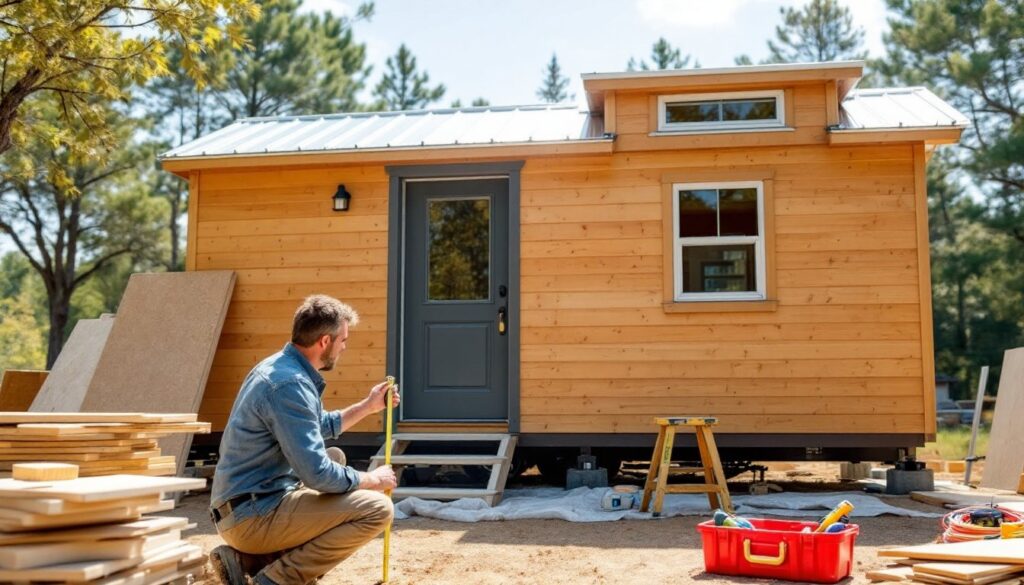
- Maintenance and repair responsibilities: Most agreements make the renter responsible for routine maintenance (HVAC filters, minor plumbing, lawn care). Structural repairs, roof leaks, foundation settling, electrical panel failures, should fall to the owner unless caused by tenant negligence.
- Property taxes and insurance: Determine who pays. In some cases, the seller retains ownership (and tax liability) until closing: in others, the renter assumes costs as a condition of the lease.
- Exit terms: What happens if you need to leave early? Can you transfer the contract, or is the option fee forfeited? What penalties apply under a lease-purchase?
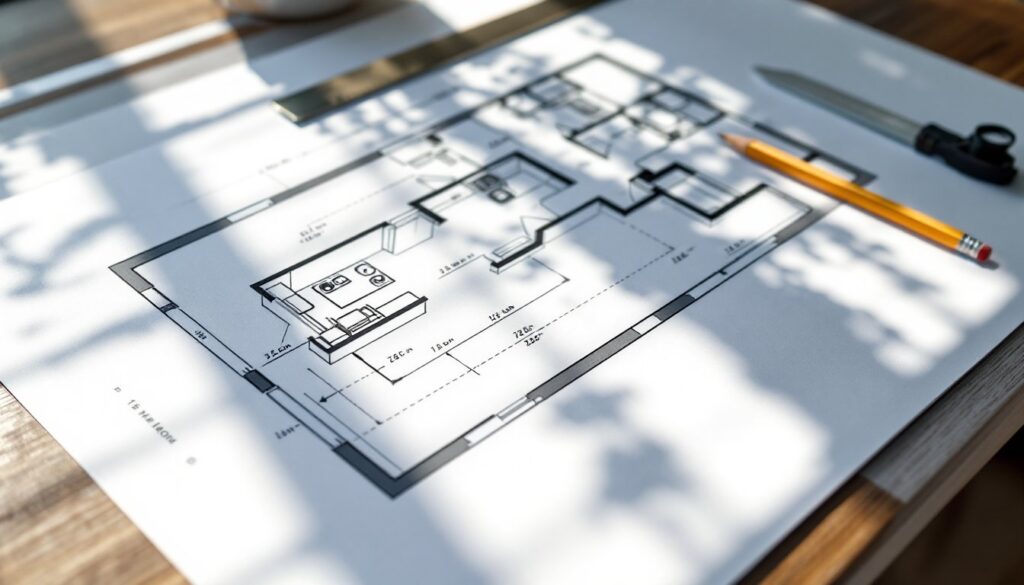
- Condition at signing: Document the home’s state with photos and a walkthrough checklist. Note existing damage, appliance condition, and systems (water heater, HVAC, plumbing). This protects you from being charged for pre-existing issues.
Have a real estate attorney review the contract before signing, especially if it’s drafted by the seller. Many financing options for tiny homes fall outside typical consumer protection laws, so legal oversight is cheap insurance.
Financing and Credit Considerations
Even with rent-to-own, you’ll eventually need financing to close, unless you can pay cash. Tiny homes complicate this because many lenders categorize them as RVs or personal property rather than real estate.
Financing paths:
- Personal loans: Unsecured loans for $20,000–$75,000 are common for tiny homes. Rates run higher (7–12% APR) than mortgages, and terms max out around 7 years.
- RV loans: If the home is RVIA-certified and built on a trailer, RV lenders may finance it. Expect 10–15-year terms and rates around 5–9%.
- Chattel mortgages: These cover movable property. Rates fall between personal loans and traditional mortgages, but not all lenders offer them.
- FHA loans (rare): If the tiny home sits on a permanent foundation and meets HUD’s minimum square footage (usually 400 sq ft), an FHA loan might work. Most tiny homes don’t qualify.
- Owner financing continuation: Some sellers extend the rent-to-own into a long-term owner-financed mortgage, bypassing banks entirely.
Credit prep:
Use the rental period to boost your score. Pay rent on time, pay down credit card balances below 30% utilization, and avoid opening new accounts. A score above 640 unlocks better rates: 700+ opens conventional options. If your credit is under 600, focus on paying off collections and disputing errors on your credit report.
Also consider the cost breakdown for the home itself, purchase price is only part of the equation. Factor in land lease fees, utility hookups, permits, and insurance when calculating affordability.
Common Pitfalls to Avoid When Renting to Own
Rent-to-own can go sideways fast if you don’t watch for these traps.
Balloon payments: Some contracts require a large lump sum at closing, even after years of rent credits. If you can’t secure financing or save the amount, you lose everything. Negotiate to eliminate or reduce balloon clauses.
Seller’s financial trouble: If the seller still owes on the tiny home or the land it sits on, their default can trigger foreclosure or repossession, evicting you in the process. Run a lien search and ask for proof of clear title (or remaining loan balance and payment history).
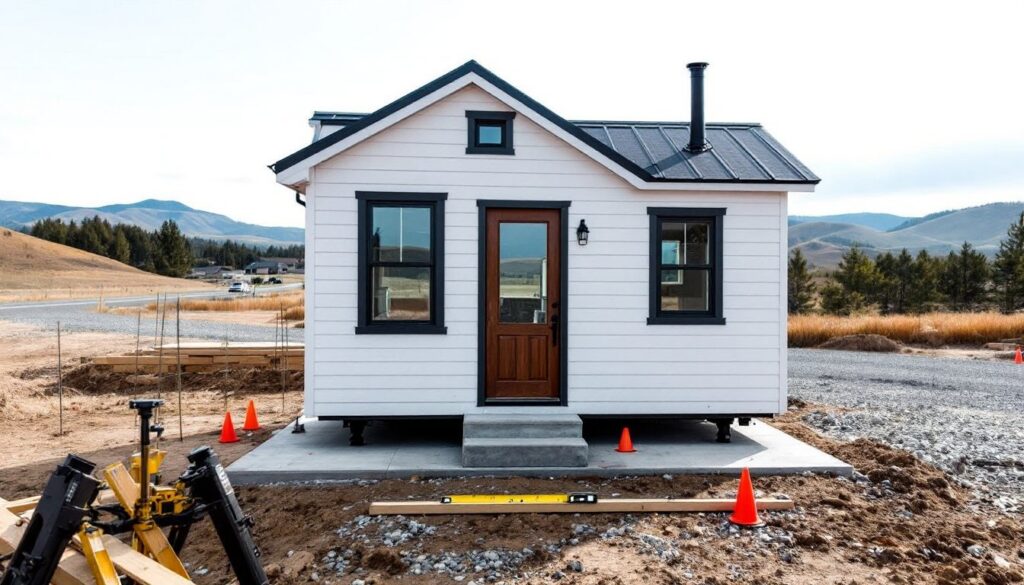
Zoning and code violations: Tiny homes face strict zoning rules. If the home sits on land that’s not legally zoned for residential use, you could be forced to move before you ever buy. Verify zoning compliance with the local building department before signing. Renovation enthusiasts exploring custom builds should also confirm that any planned modifications won’t violate local codes.
Hidden fees: Some sellers tack on administrative fees, late fees, or “community dues” that weren’t disclosed upfront. Get a full fee schedule in writing.
No appraisal contingency: If the agreed purchase price exceeds the home’s appraised value at closing, you’ll struggle to finance the gap. Include an appraisal contingency that adjusts the price or lets you walk away if the appraisal comes in low.
Ignoring maintenance: Since you’re responsible for upkeep, deferred maintenance (ignoring a roof leak, skipping HVAC service) can cost you thousands when it’s time to buy, or give the seller grounds to void the contract. Treat it like you already own it, and design magazines like Apartment Therapy often feature small-space maintenance guides tailored to compact living.
Assuming all tiny homes are equal: A DIY-built tiny home may lack the structural certifications or code compliance of a factory-built model, affecting resale and financing. Ask for build documentation, especially if considering options for families where safety and durability matter even more.
Conclusion
Rent-to-own can be a practical bridge to tiny home ownership, if the contract is solid, the seller is solvent, and the property is legal. It’s not a set-it-and-forget-it arrangement. Treat the rental period like an extended home inspection: test the systems, verify the paperwork, and prep your finances. With the right due diligence, you’ll walk into closing confident, not cornered. And if you’re exploring eco-conscious options, sites like HGTV and resources on sustainable design can help you evaluate long-term livability and environmental impact before you commit.