Table of Contents
ToggleTiny homes offer freedom, simplicity, and lower overhead, but paying for one isn’t as straightforward as getting a conventional mortgage. Most tiny homes fall outside the lending criteria banks use for traditional houses, leaving buyers scrambling for alternatives. Whether the home sits on a foundation or wheels, weighs under 10,000 pounds, or exceeds local zoning minimums, financing options vary widely. Understanding which lender products apply, and which don’t, can make the difference between breaking ground this year or postponing the project indefinitely. This guide walks through every viable financing route, from personal loans to construction financing, so builders and buyers can move forward with confidence.
Key Takeaways
- Traditional mortgages don’t work for most tiny homes because they fall below the 400-square-foot minimum, lack comparable sales, and often sit on non-permanent foundations that banks won’t accept as collateral.
- Personal loans are the most accessible financing option for tiny homes, offering quick approval and funding within days, though higher interest rates (6–18%) and shorter terms mean monthly payments are significantly higher than conventional mortgages.
- Mobile tiny homes certified by RVIA or NOAH can qualify for RV loans and chattel mortgages, which offer longer terms (up to 20 years) than personal loans and treat the structure as titled personal property.
- Construction loans enable foundation-based tiny homes to eventually qualify for permanent mortgages, but require detailed plans, a licensed contractor, and proof the home will meet local code and square footage requirements.
- Improving your credit score to 680+, maintaining a debt-to-income ratio below 43%, and providing thorough documentation (build plans, itemized budgets, certifications) significantly increases approval odds across all financing for tiny homes.
- Alternative routes like cash savings, peer-to-peer lending, and seller financing work for buyers who don’t qualify for traditional loans or prefer to avoid conventional debt structures.
Why Traditional Mortgages Don’t Work for Tiny Homes
Conventional mortgages are designed around square footage minimums, permanent foundations, and appraised values that meet Fannie Mae and Freddie Mac guidelines. Most tiny homes fail on all three counts.
Fannie Mae typically requires a minimum of 400 square feet of finished living space for a dwelling to qualify as a single-family residence. Many tiny homes clock in between 100 and 400 square feet, disqualifying them outright. Even if square footage passes, appraisers struggle to find comparable sales, tiny homes remain niche, and lenders rely on comps to set loan amounts.
Mobility adds another wrench. Homes on trailers are classified as personal property, not real property, which means they don’t qualify for mortgages secured by real estate. If the structure can be towed away, it’s treated more like an RV than a house, regardless of how well-built the interior is.
Foundation-based tiny homes can sometimes qualify for conventional financing if they meet local building codes, sit on owned land, and exceed minimum square footage. But even then, lenders may balk if the home is prefabricated or modular without proper HUD certification. Bottom line: don’t walk into a bank expecting a 30-year fixed mortgage unless the tiny home checks every box for size, foundation, and code compliance.
Personal Loans: The Most Common Financing Option
Personal loans are the go-to for most tiny home buyers, especially those purchasing a completed unit or hiring a builder. These are unsecured installment loans, meaning no collateral is required, the lender evaluates creditworthiness, income, and debt-to-income ratio.
Loan amounts typically range from $5,000 to $100,000, with repayment terms between 2 and 7 years. Interest rates vary widely based on credit score: borrowers with scores above 720 might see rates around 6–10%, while those in the mid-600s could face 12–18% or higher. Compare that to a conventional mortgage at 7%, and the cost difference becomes clear over time.
The upside is speed and simplicity. Applications process in days, not weeks, and funds disburse quickly, ideal for buyers working with a builder who needs a deposit. Some lenders, like LightStream and SoFi, market loans specifically for home improvement and alternative housing, which can smooth approval for tiny home projects.
Downsides include shorter terms and higher monthly payments. A $50,000 loan at 10% over 5 years runs about $1,062/month, compared to roughly $665/month on a 15-year mortgage at 7%. Buyers need steady income to handle that load. Many exploring alternative housing options find personal loans practical even though the higher rate, especially when the total project cost stays under $60,000.
RV Loans and Chattel Mortgages for Mobile Tiny Homes
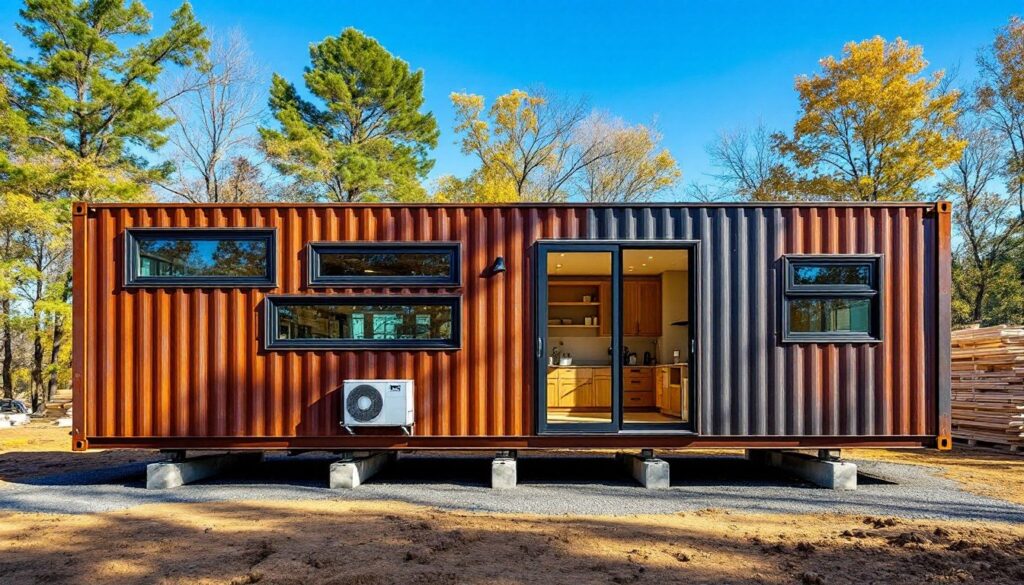
If the tiny home is built on a trailer and certified by the Recreational Vehicle Industry Association (RVIA) or the National Organization of Alternate Housing (NOAH), it may qualify for an RV loan or chattel mortgage. These products treat the home as titled personal property, similar to financing a motorhome or manufactured home.
RV loans often feature longer terms than personal loans, up to 15 or 20 years, with interest rates between 6% and 12%, depending on credit and down payment. A 10–20% down payment is common. Lenders like LightStream, Cambio, and local credit unions offer these products, and some specialize in tiny homes that meet RVIA or NOAH standards.
Chattel mortgages work similarly but may have slightly different underwriting. The home must be titled and registered, much like a vehicle, and the lender places a lien on the title. If the buyer defaults, the lender can repossess the structure.
One key consideration: insurance. Mobile tiny homes often require RV insurance or specialty tiny home coverage, not standard homeowners insurance. Lenders will verify coverage before closing. According to financing guides for alternative housing, securing proper insurance upfront prevents delays during the loan process.
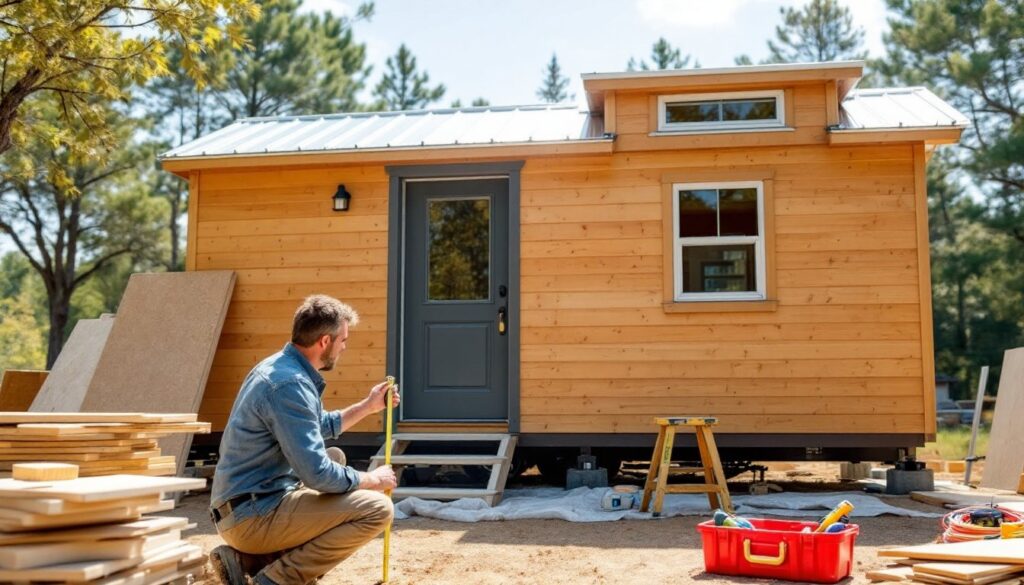
RV loans won’t work for DIY builds unless the structure gets third-party certification. Builders using a chassis from a manufacturer like Iron Eagle or Tumbleweed should confirm certification early to keep financing options open.
Construction Loans and Land Financing for Foundation Tiny Homes
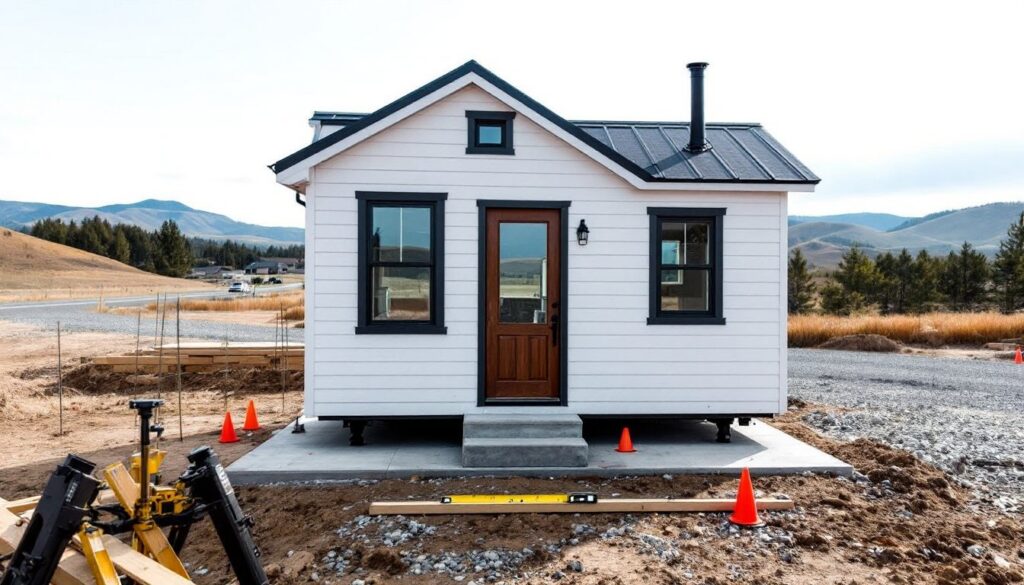
Building a tiny home on a permanent foundation opens the door to construction loans and, eventually, a conventional mortgage, assuming the home meets local code and square footage minimums.
Construction loans are short-term, interest-only loans that disburse in stages (called “draws”) as the build progresses. The lender inspects at each milestone, foundation pour, framing, rough-in, final, before releasing funds. Terms run 6 to 12 months, with interest rates typically 1–2 points above prime. Once construction is complete and a certificate of occupancy is issued, the loan converts to a permanent mortgage or the borrower refinances into a traditional 15- or 30-year loan.
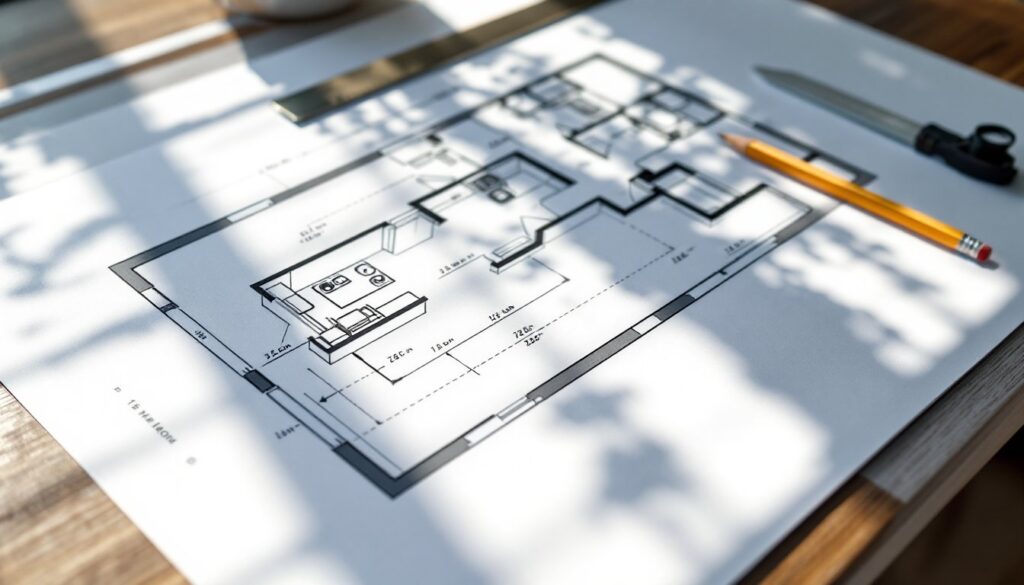
This route requires detailed plans, a licensed contractor (or proof of builder experience for owner-builders), and a construction budget. Lenders want to see line-item estimates for materials, labor, permits, and contingency. If the tiny home is under 400 square feet, expect pushback, many lenders have internal minimums.
Land financing is a separate hurdle. If the buyer doesn’t own the lot outright, they’ll need a land loan, which carries higher rates (often 1–3 points above a mortgage) and shorter terms. Some lenders offer combination construction-to-permanent loans that roll land purchase, construction, and mortgage into one package, reducing closing costs and paperwork.
Permits are non-negotiable. Most jurisdictions require building permits for anything on a foundation, and inspections must pass at each stage. Foundation tiny homes in areas with evolving zoning may face additional scrutiny, so confirm local rules before breaking ground. Skipping permits can void financing, insurance, and resale value.
Alternative Financing: Cash Savings, Credit Cards, and Peer-to-Peer Lending
Not everyone qualifies for traditional loans, and some builders prefer to avoid debt entirely. Cash savings remain the simplest route, no interest, no approval process, no monthly payments. DIYers who source reclaimed materials, handle labor themselves, and buy used appliances can build a basic tiny home for $15,000–$30,000, making cash financing realistic over a 1–2 year saving period.
Credit cards can cover materials and tools, especially if the cardholder has access to 0% APR promotional periods (12–18 months). This works for phased builds where the balance gets paid down before interest kicks in. But it’s risky: miss the promo window, and rates jump to 18–28%. Only use this method with a strict repayment plan and discipline.
Peer-to-peer (P2P) lending platforms like Prosper, Upstart, and Funding Circle connect borrowers with individual investors. Rates and terms resemble personal loans, 6–18% over 3–5 years, but approval criteria can be more flexible. Borrowers with thin credit files or non-traditional income (freelancers, gig workers) sometimes find better luck here than at banks. Documentation requirements vary by platform: some accept stated income, while others want tax returns and bank statements.
Seller financing is another niche option. Some tiny home builders offer in-house financing, especially for models they manufacture. Terms are negotiable, but interest rates may run higher than market averages. Read the fine print, some contracts include balloon payments or prepayment penalties.
Those interested in understanding total project expenses often reference a tiny home cost breakdown to budget accurately before choosing a financing method. Knowing whether the build will cost $25,000 or $75,000 shapes which funding route makes sense.
How to Improve Your Chances of Approval
Lenders evaluate risk, and tiny homes sit outside their comfort zone. Borrowers can tip the odds by shoring up financial fundamentals and presenting a clear plan.
Credit score is the first gate. Aim for 680 or higher to access competitive rates on personal loans, and 720+ for RV loans or construction financing. Pay down revolving balances, dispute errors on credit reports, and avoid new hard inquiries in the months before applying. Even a 20-point score bump can drop the interest rate by a full percentage point.
Debt-to-income ratio (DTI) should stay below 43%, ideally under 36%. Lenders calculate DTI by dividing monthly debt payments by gross monthly income. Paying off a car loan or consolidating credit card balances before applying can free up room. If income is variable (self-employed, commission-based), gather 2 years of tax returns and recent bank statements to demonstrate consistency.
Down payment matters, especially for RV loans and chattel mortgages. A 15–20% down payment signals commitment and reduces lender risk, often unlocking better terms. For a $50,000 tiny home, that’s $7,500–$10,000 upfront.
Documentation separates serious buyers from tire-kickers. Bring:
- Detailed build plans or purchase contract
- Itemized budget with material and labor costs
- Proof of land ownership or lease agreement (if applicable)
- Certification documents (RVIA, NOAH, or local building department approvals)
- Insurance quotes
Some lenders hesitate because they don’t understand the tiny home market. Pointing to resources like tiny home financing options or presenting case studies from other buyers can build confidence. If one lender declines, shop around, credit unions, online lenders, and specialized tiny home financiers each have different underwriting standards.
Buyers considering tiny homes for families or those weighing resale value should factor financing costs into long-term affordability. A lower interest rate over a longer term can make a significant difference in monthly cash flow and overall financial flexibility.
Conclusion
Financing a tiny home takes creativity and persistence, but viable options exist for nearly every situation. Whether pursuing a personal loan for speed, an RV loan for a mobile build, or construction financing for a foundation home, the key is matching the product to the project. Understand lender requirements, shore up credit and savings, and come prepared with documentation. Tiny living may be unconventional, but the financial tools to make it happen are well within reach.