Table of Contents
ToggleUtah’s blend of stunning landscapes, outdoor recreation, and lower cost of living has made it a magnet for folks seeking an alternative to traditional housing. Tiny homes, whether fixed on a foundation or perched on a trailer, offer a way to own property without the crushing mortgage, all while enjoying 300-400 square feet of smartly designed space. The state’s favorable climate (low humidity, manageable winters in most valleys) and growing acceptance of accessory dwelling units (ADUs) in certain municipalities make it an increasingly practical place to park or build a tiny home. But before anyone signs a purchase agreement or hitches a THOW to their truck, there are zoning quirks, financing hurdles, and insurance questions that can trip up even the most prepared buyer.
Key Takeaways
- Tiny homes for sale in Utah offer a practical housing alternative with lower mortgage costs, favorable high-desert climate, and strong access to outdoor recreation without extreme heating bills.
- Utah’s three main tiny home categories—Tiny Houses on Wheels ($50,000–$90,000), Foundation Tiny Homes ($120–$180 per square foot), and DIY Shipping Container/Skoolie conversions—each carry distinct financing, zoning, and appreciation implications.
- Zoning regulations vary significantly by municipality; while Salt Lake City and other cities now allow foundation tiny homes as ADUs down to 300 square feet, THOWs face stricter permanent-occupancy restrictions and often require RV parks or leased land agreements.
- Financing tiny homes on wheels typically requires RV loans (5–8% interest, 10–15 year terms) since conventional mortgages treat them as personal property, whereas foundation models on owned land can qualify for standard home mortgages.
- Before purchasing, verify local zoning codes with planning departments, secure professional RV or contractor inspections on used units, and budget for Utah-specific insurance coverage including wildfire, hail, and freeze-damage protection.
- Foundation tiny homes appreciate like traditional properties while THOWs depreciate 10–15% in year one and 3–5% annually, making long-term ownership goals and resale timeline critical factors in total cost of ownership.
Why Utah Is Perfect for Tiny Home Living
Utah checks several boxes that make downsizing not just appealing but practical. First, the climate: most of the populated Wasatch Front (Provo to Ogden) sits in a high-desert zone with four distinct seasons. Winters bring snow, but valleys typically see fewer extreme cold snaps than the Rockies farther east. That means a well-insulated tiny home with a propane furnace or electric mini-split can stay comfortable without heroic heating bills.
Second, the outdoor culture. Tiny home buyers often prioritize adventure over square footage, and Utah delivers. National parks (Zion, Arches, Bryce Canyon), world-class skiing, and miles of BLM land for dispersed camping make it easy to justify a smaller footprint indoors when the backcountry is your extended living room.
Third, land availability and cost. While metro markets like Salt Lake City have seen home prices climb, rural counties, Sanpete, Garfield, Piute, still offer parcels under $30,000 where mobile tiny homes can be sited if local zoning permits. Property taxes remain below the national median, and there’s no state sales tax on unprepared food, which helps stretch a minimalist budget.
Finally, regulatory momentum. Several Utah cities have updated ADU ordinances in the past two years, and the state legislature has signaled interest in easing restrictions on alternative housing to address affordability gaps. While the path isn’t obstacle-free, the trend is toward greater acceptance.
Types of Tiny Homes Available in Utah
Buyers will encounter three main categories, each with distinct trade-offs:
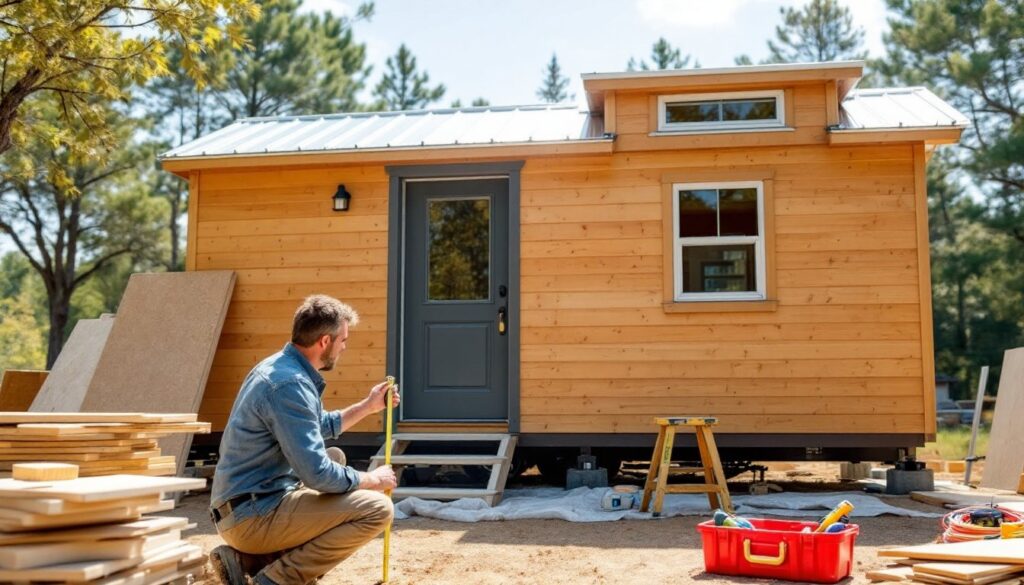
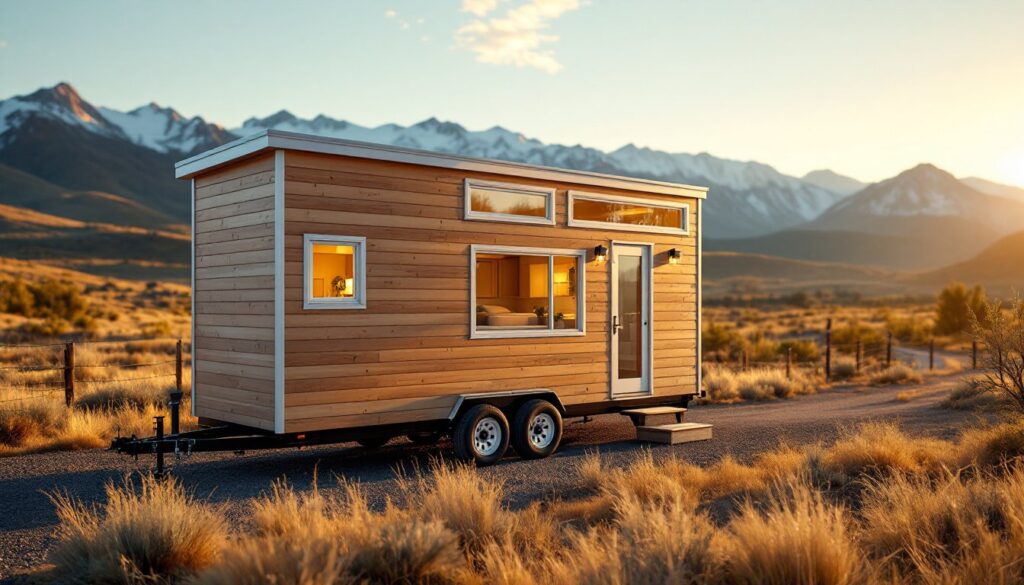
Tiny Houses on Wheels (THOWs). Built on a dual-axle trailer chassis (typically 8.5 feet wide, 20-28 feet long), these units are classified as RVs if they meet RVIA or NOAH certification standards. They offer mobility, useful if zoning changes or a job relocates, but highway towing requires a 3/4-ton or larger pickup with appropriate brake controllers. Expect weights between 8,000 and 14,000 pounds loaded. Most THOWs use 2×4 or 2×6 framing on 16-inch centers, steel roofing, and spray-foam insulation to handle Utah’s temperature swings. Retail prices range from $50,000 to $90,000 depending on finishes and appliances.
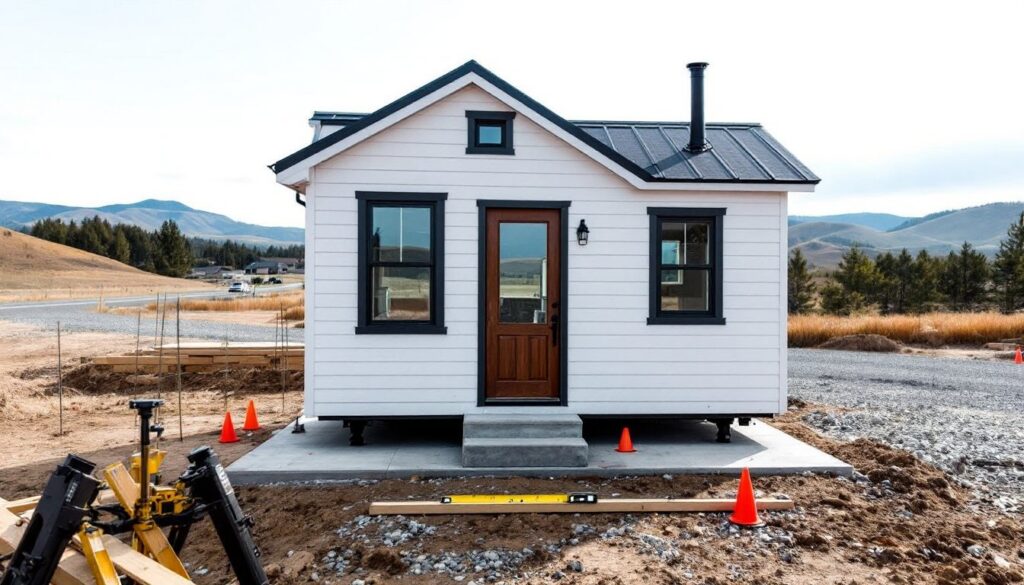
Foundation Tiny Homes. These are permanent structures on a concrete slab, crawlspace, or pier foundation, typically 400-600 square feet. They follow the International Residential Code (IRC) Appendix Q where adopted, which sets minimum ceiling heights (6 feet 8 inches in most rooms, 6 feet 4 inches in bathrooms), loft guardrails, and egress window sizes. Because they’re fixed, they can qualify for conventional mortgages and appreciate more like traditional homes. Construction costs run $120-$180 per square foot, not including land or utilities hookup. This category includes prefab models delivered on flatbeds and site-built custom tiny homes framed by local contractors.
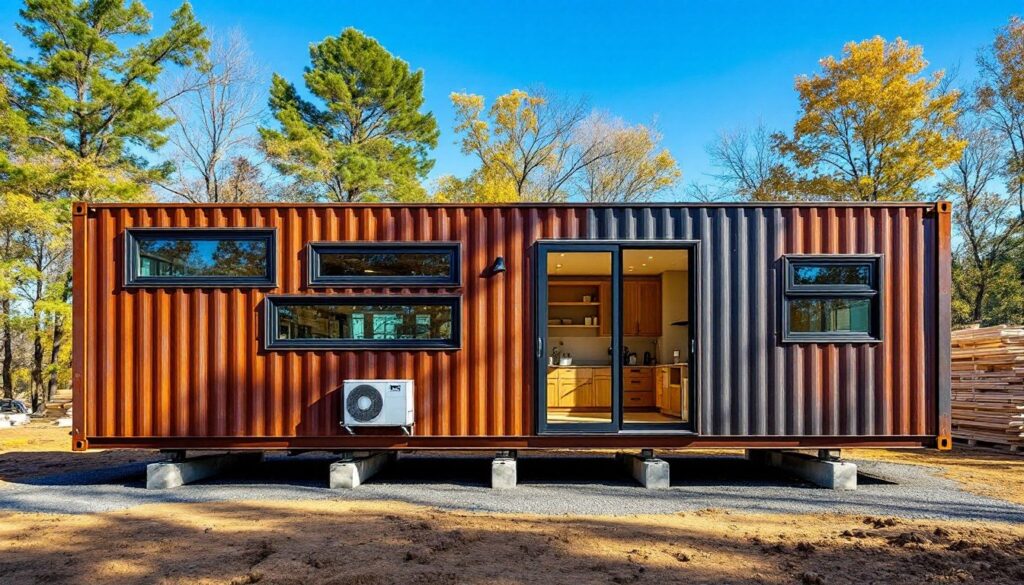
Converted Shipping Containers and Skoolies. These DIY-friendly options attract buyers willing to trade sweat equity for lower upfront costs. A used 40-foot high-cube container costs $3,000-$5,000, but retrofitting it with insulation, windows, plumbing, and electrical can easily double that before materials for interior finishes. Skoolies (retired school buses) require similar work plus mechanical refurbishment. Both often face stricter permitting since they fall outside standard building codes: some counties treat them as temporary structures or require engineered plans.
Where to Find Tiny Homes for Sale in Utah
Local Builders and Dealers. Several Utah-based companies specialize in THOWs and prefab models. Searching “tiny homes for sale salt lake city” or similar queries will surface outfits like Alpine Tiny Homes, Wasatch Tiny Homes, and others who maintain model lots or offer custom builds. Visiting a display lot lets buyers inspect framing quality, appliance brands, and finish details firsthand, check blocking around windows for signs of thermal bridging and ask whether spray foam or batt insulation was used.
Online Marketplaces. Sites like Tiny House Listings, Facebook Marketplace, and Craigslist frequently list used THOWs and foundation models. Prices on used units can drop 20-30% below new, but buyers should hire a certified RV inspector or general contractor to assess structural integrity, roof condition, and whether the electrical panel meets NEC Article 551 (for RVs) or Article 210 (for dwelling units). Don’t skip this step: hidden water damage behind vinyl siding or faulty propane lines can turn a bargain into a money pit.
National Retailers with Utah Delivery. Companies like Tumbleweed, Escape, and Tiny Heirloom ship nationwide. Delivery fees to Utah run $2,000-$5,000 depending on origin and route. These builders often offer financing partnerships, which can simplify the buying process if tiny home loans through traditional banks prove difficult.
DIY Kits and Plans. For the hands-on crowd, shell kits (framing, roofing, windows, exterior siding) start around $15,000. Buyers finish the interior themselves, sourcing fixtures, cabinetry, and utilities. This route demands solid carpentry skills, a workspace with power, and time, figure 300-600 hours for a competent DIYer. Kits typically don’t include the trailer, which runs another $4,000-$7,000 for a tandem-axle unit rated to the finished weight.
What to Know Before Buying a Tiny Home in Utah
Zoning Laws and Regulations
Utah’s zoning landscape is fragmented: each municipality and county writes its own rules. Salt Lake City, Provo, and Ogden have adopted ADU ordinances that allow tiny homes on foundations as backyard dwellings, provided they meet setback requirements (often 5 feet from side and rear property lines) and maintain separate utilities or share a meter with the primary residence. Minimum square footage requirements have been relaxed in many cases, Salt Lake City dropped its floor from 600 to 300 square feet in 2024, but parking and design review still apply.
THOWs face tougher restrictions. Most cities prohibit permanent occupancy of RVs outside designated parks, though some counties allow them on agricultural or rural-residential parcels as temporary dwellings while a primary home is under construction. Urban tiny homes on wheels often end up in private RV parks or on leased land where the owner has negotiated a site agreement. Always verify zoning before purchasing: a call to the planning department or a title company familiar with alternative housing can save headaches. For design ideas that work within tight regulations, resources like Apartment Therapy showcase creative layouts.
Septic and water hookups add another layer. Foundation homes must connect to municipal sewer or install a septic system sized to the home (a 300-square-foot, one-bedroom unit typically needs a 500-gallon tank with a 200-square-foot leach field). Well permits in rural areas require hydrogeological surveys and spacing minimums from property lines. THOWs in parks usually tap into existing infrastructure, but off-grid setups need holding tanks, composting toilets, and water storage, expect to service a 40-gallon gray-water tank weekly with normal use.
Financing and Insurance Considerations
Conventional mortgages rarely cover THOWs because lenders view them as personal property, not real estate. Instead, buyers pursue RV loans (terms of 10-15 years, interest rates 5-8% as of early 2026) or personal loans with shorter terms and higher rates. Credit unions and specialty lenders like LightStream or Essex Credit have programs tailored to tiny homes. Foundation models on owned land qualify for standard home loans if they meet IRC minimum standards and an appraiser can find comparable sales, challenging in markets where tiny homes are rare. Recent discussions on platforms like Curbed highlight the appraisal gap tiny home buyers often face.
Insurance splits similarly. THOWs fall under RV or mobile-home policies, which cover the structure, personal property, and liability. Annual premiums run $600-$1,200 depending on declared value and whether the unit is stationary or traveling. Foundation tiny homes use homeowners insurance: expect $400-$800 annually for a $75,000 dwelling with standard liability limits. Both types should carry coverage for Utah-specific risks: wildfire (especially in foothill and canyon areas), hail (common along the Wasatch Front in spring), and freeze damage to plumbing if the home will be unoccupied in winter. Using cost calculators from sites like HomeAdvisor can help budget for ongoing maintenance and insurance.
Another consideration is tiny home resale value, which varies widely. THOWs depreciate like RVs, 10-15% in the first year, then 3-5% annually, while foundation models appreciate if the land value rises. Buyers planning to sell within five years should factor this into total cost of ownership. Families should also weigh space needs: resources on tiny home accessibility and living as a family can clarify whether 300 square feet will realistically work long-term.
Conclusion
Buying a tiny home in Utah in 2026 means navigating a patchwork of zoning codes, securing non-traditional financing, and honestly assessing how much space one truly needs. But for those who value access to public lands, lower overhead, and a deliberate lifestyle, the trade-offs often pencil out. Start by clarifying whether mobility or permanence matters more, then match that to local regulations and financing options. With careful planning, and a realistic budget for permits, utilities, and insurance, a tiny home can be more than a trend: it can be a functional, long-term housing solution.