Table of Contents
ToggleTiny house living isn’t just about downsizing, it’s about designing smarter. Whether you’re drawn to the mobility of a tiny home on wheels or planning a compact ADU on a permanent foundation, getting the design right makes the difference between cozy and cramped. The best tiny house designs blend clever spatial planning, multifunctional features, and a style that reflects how you actually live. From material selection to layout strategy, every square foot counts when you’re working with 100 to 400 square feet of space. This guide walks through what separates inspiring tiny homes from livable ones.
Key Takeaways
- Effective tiny house designs prioritize multifunctional features and clever spatial planning, with ceilings of at least 10 feet at the peak to prevent a cramped feel in spaces ranging from 100 to 400 square feet.
- Great tiny house designs must accommodate real-world needs like functional kitchens, proper bathroom layouts (typically 3×6 feet), and substantial storage—avoiding Pinterest-perfect built-ins that sacrifice practicality.
- Smart layout strategies separate tiny homes by activity zones (sleeping, cooking, eating, bathing, working), with lofts, Murphy beds, and galley kitchens being common solutions, while pocket or barn doors save valuable swing space.
- Built-in storage and vertical organization are essential, using materials like 3/4-inch plywood for durability and full-extension drawer slides rated for 100 lbs to prevent clutter on limited countertop space.
- Customizing tiny house designs for your lifestyle—whether for remote work, outdoor hobbies, families, or accessibility—ensures the space functions for how you actually live, not just theoretical use.
- Local building codes, zoning regulations, and permit requirements significantly shape tiny house design possibilities, so verify ADU classifications, utility hookups, and setback rules before finalizing plans.
What Makes a Great Tiny House Design?
A great tiny house design prioritizes function over aesthetics, though the best examples deliver both. Start with the trailer dimensions or foundation footprint, most RVIA-certified tiny house trailers range from 8.5 feet wide to 20–30 feet long, giving you roughly 170–240 square feet per level before loft space.
Ceiling height matters more than floor area in many cases. Standard 8-foot ceilings feel oppressive: aim for at least 10 feet at the peak if you’re building a gable roof with sleeping lofts. This gives headroom where you need it and creates visual breathing room. Load-bearing walls are minimal or non-existent in most tiny builds, which opens up layout flexibility, but you’ll still need to account for structural integrity if you’re mobile. Consult local building codes: some jurisdictions classify tiny homes under RV standards (NFPA 1192), others under the International Residential Code (IRC Appendix Q for tiny houses).
Effective designs also consider climate and insulation. Spray foam insulation (R-6 to R-7 per inch) is common for walls and roofs due to space constraints, but don’t skimp, thermal bridging through metal framing or inadequate vapor barriers leads to condensation and mold in tight spaces. If you’re in a cold climate, plan for propane or electric heat sources with proper ventilation.
Finally, great tiny house design accommodates real-world needs: storage for a month’s worth of clothing, a functional kitchen, and a bathroom that doesn’t require contortionist skills. Skip the Pinterest-perfect built-ins that sacrifice practicality.
Popular Tiny House Design Styles
Modern Minimalist Tiny Homes
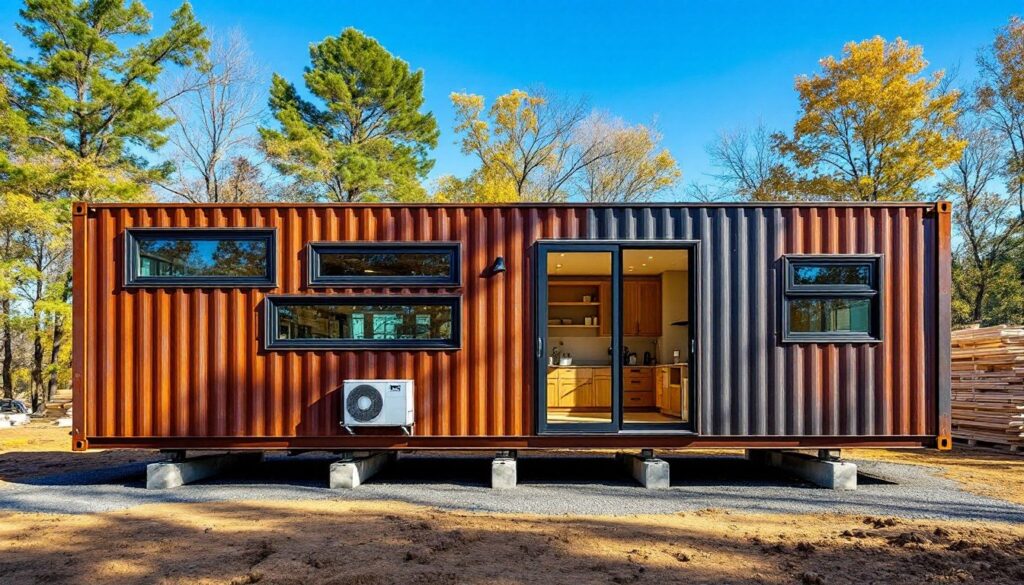
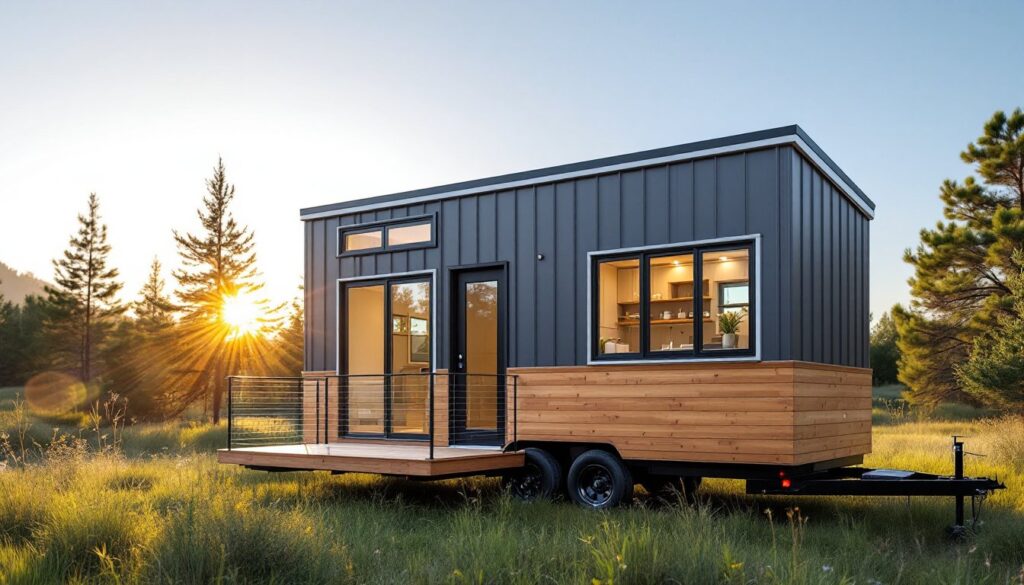
Modern minimalist designs lean on clean lines, neutral palettes, and materials like metal siding, fiber cement panels, and large windows. Think flat or shed roofs, often with a single-slope design that maximizes loft headroom on one side. This style favors open shelving over closed cabinetry, flush-mount lighting, and engineered quartz or butcher block countertops.
These builds often incorporate floor-to-ceiling windows on one end, which floods the interior with natural light but requires careful planning for privacy and insulation. Low-E glass (U-factor under 0.30) helps with energy efficiency. Designers working in this style often reference projects featured on sites like Dwell for material palettes and proportion strategies.
Structural note: Large window openings mean you’ll need engineered headers (LVL or glulam beams) to carry roof loads, even in a small footprint. Don’t assume 2×4 framing alone will handle a 6-foot window span, consult span tables or an engineer.
Rustic and Farmhouse-Inspired Designs
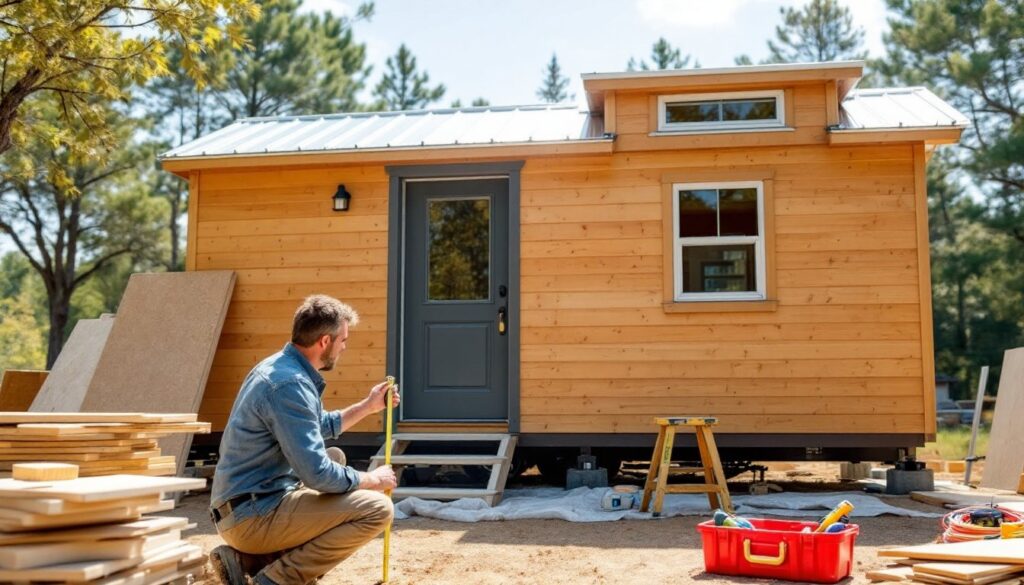
Rustic and farmhouse tiny homes favor natural wood siding (cedar, pine, or reclaimed barnwood), board-and-batten exteriors, and gable or gambrel roofs. Interiors showcase exposed tongue-and-groove pine or shiplap walls, often left unfinished or sealed with a clear poly.
This style works well for stationary tiny homes on foundations or those seeking tiny home sustainability through reclaimed materials. You’ll see farmhouse sinks, butcher block counters, and vintage-style fixtures.
Be mindful of wood movement and moisture content. Kiln-dried lumber (moisture content below 15%) is essential for interior finishes to prevent warping. If using reclaimed wood, inspect for nails, rot, and insect damage, and plan to sand and seal thoroughly.
Smart Layout Strategies for Tiny House Living
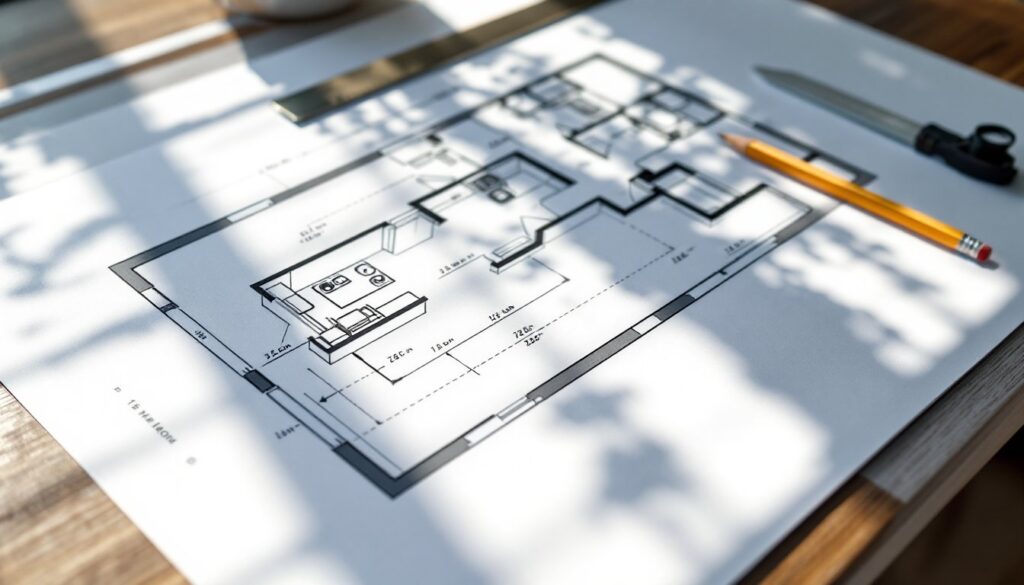
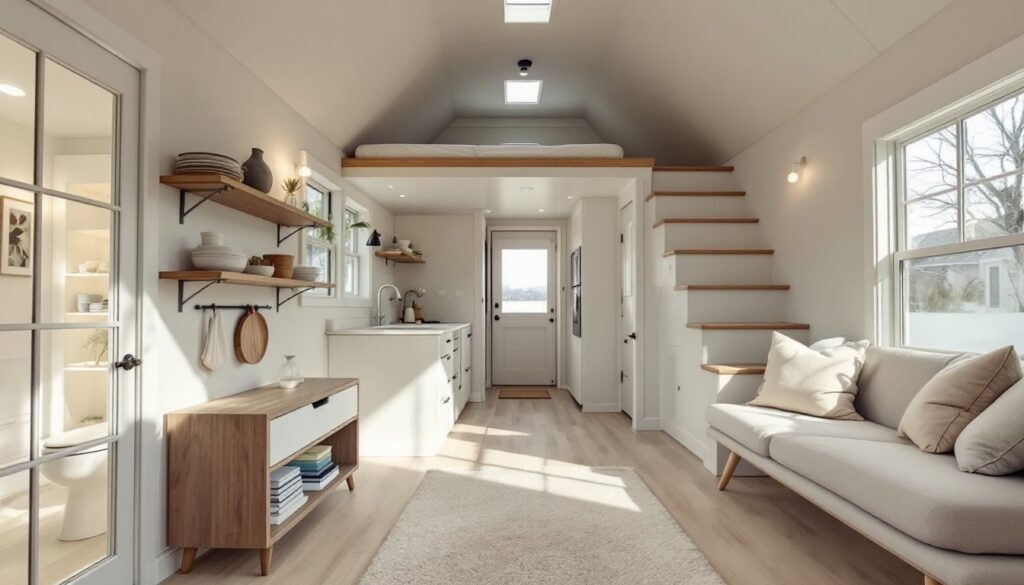
Layout planning separates functional tiny homes from claustrophobic mistakes. Start by mapping your activity zones: sleeping, cooking, eating, bathing, and working. In a 200-square-foot home, these overlap, so prioritize what matters most.
Loft vs. ground-floor sleeping is the first big decision. Lofts reclaim floor space but require steep stairs or ladders (typically 60–70-degree pitch), which aren’t practical for everyone. If mobility or accessibility is a concern, consider a Murphy bed or convertible sofa on the main level. Ground-floor sleeping works better for tiny home accessibility design and households with kids or older adults.
Galley kitchens (3–4 feet wide) are the standard layout. Position the sink under a window if possible for natural light and ventilation. Apartment-sized appliances, 18-inch dishwashers, 20-inch ranges, and 12V or propane refrigerators, are common. Some builders opt for a two-burner cooktop and countertop convection oven instead of a full range to save space.
Bathroom layout is tight. A standard tiny house bathroom is 3×6 feet, fitting a corner shower (30×30 inches or 32×32 inches), composting or marine toilet, and a wall-mounted sink. Pocket doors or barn doors save the swing radius of a standard hinged door (around 9 square feet). Many designs explored on Apartment Therapy show creative bathroom layouts using wet-room concepts with waterproof wall panels.
Consider dual-purpose zones: a dining table that folds into the wall, a desk that doubles as a kitchen prep surface, or a staircase with integrated drawers (each tread becomes a pull-out). These aren’t just clever, they’re necessary.
Essential Design Features That Maximize Functionality
Built-in storage is non-negotiable. Every wall cavity, stair tread, and under-seat area is an opportunity. Use 3/4-inch plywood for structural shelving and drawer boxes: MDF sags under weight in humid environments. Drawer slides rated for 100 lbs (like full-extension ball-bearing slides) handle cookware and tools without binding.
Vertical storage takes advantage of unused height. Install cabinets to the ceiling, use wall-mounted racks for bikes or skis, and incorporate overhead nets or shelves in lofts. Magnetic knife strips, pegboards, and rail systems (like IKEA’s KUNGSFORS or custom steel rails) keep counters clear.
Multi-functional furniture isn’t optional. Look for sofas with storage underneath, ottomans that open, and tables with drop leaves. If building custom, design benches with lift-top seats (use soft-close hinges to avoid pinched fingers). For families exploring tiny home for families layouts, bunk beds with integrated desks or play areas below maximize kid-friendly space.
Lighting layers prevent a cave-like feel. Combine recessed LED downlights (3-inch or 4-inch cans), under-cabinet LED strips, and task lighting at the desk or kitchen counter. Dimmer switches add flexibility. Avoid oversized pendants or chandeliers, they eat headroom and create visual clutter.
Electrical and plumbing access should be planned early. If you’re mobile, flexible PEX tubing is easier to route and less prone to freeze damage than rigid copper. Run electrical in conduit if codes allow, making future changes simpler. For off-grid setups, 12V DC systems reduce inverter load, but most builders stick with 120V AC for appliance compatibility.
Customizing Your Tiny House Design for Your Lifestyle
Cookie-cutter tiny house plans rarely fit real life. Customization starts with honest assessment: Do you cook daily or microwave leftovers? Work from home or commute? Need space for hobbies, pets, or gear?
Remote workers need dedicated desk space with task lighting and proximity to outlets. A fold-down wall desk (30 inches deep) with a file drawer and cable management works in tight quarters. Prioritize a window at the workspace for natural light and ventilation, sealed tiny homes get stuffy fast.
Outdoor enthusiasts benefit from mudroom-style entries with boot storage, gear hooks, and a bench. Some mobile tiny homes incorporate a rear deck or fold-down porch, expanding usable square footage when parked. Roof racks or exterior storage boxes handle bikes, kayaks, or skis.
Families need privacy zones, even in 300 square feet. Curtains or sliding panels can divide lofts or separate sleeping areas from living space. Bunk beds with privacy curtains work for kids. A second loft (one over the bathroom, one over the kitchen) provides separation for parents and children.
Aging in place or accessibility requires different thinking. A zero-step entry, wider doorways (36 inches minimum), and a curbless shower with grab bars make the space functional for a range of abilities. ADA tiny home designs show how thoughtful planning accommodates wheelchairs or walkers without sacrificing style.
Climate considerations matter. In hot regions, prioritize cross-ventilation with operable windows on opposite walls, roof vents, and awnings to shade glass. In cold climates, minimize window area on north-facing walls, use insulated window coverings, and consider a wood stove (with proper clearances per NFPA 211, typically 36 inches from combustibles). Builders focused on energy performance often consult resources like Fine Homebuilding for insulation and air-sealing techniques.
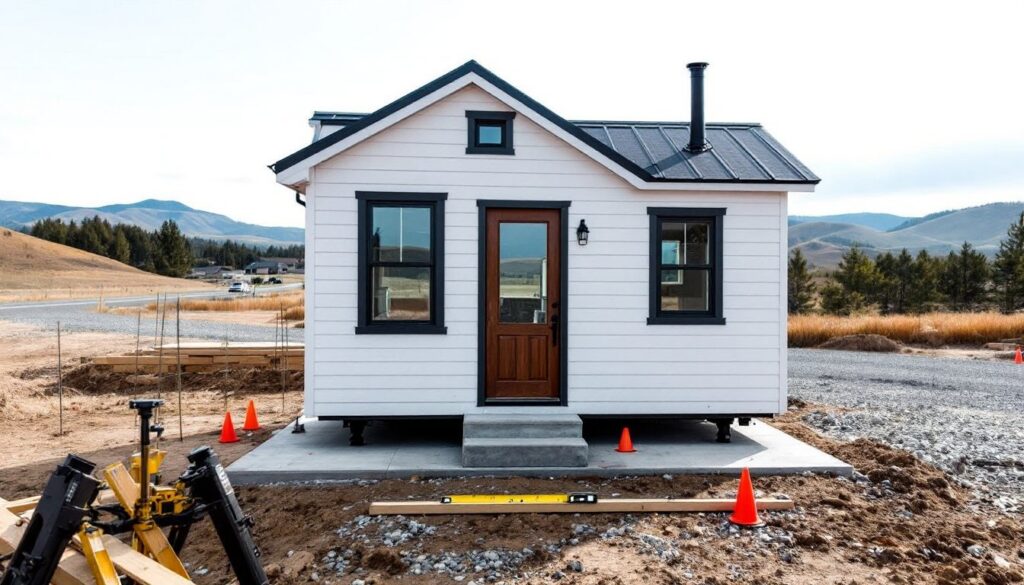
Permit and zoning realities also shape design. Some municipalities allow tiny homes as ADUs (accessory dwelling units) on existing lots, others restrict them to RV parks. Foundation requirements, utility hookups, and setback rules vary. If you’re exploring custom tiny homes or working with a builder, verify local codes before finalizing plans. Structural work, electrical, and plumbing typically require permits, DIYing these without inspection puts you at risk for fines or resale issues.
Finally, don’t over-customize to the point of resale difficulty. Urban tiny homes often need to balance personal preferences with market appeal if you plan to sell or rent later. Neutral finishes and flexible layouts have broader appeal than hyper-specific builds.