Table of Contents
ToggleLiving small doesn’t mean living with less, it means living smarter. Tiny homes pack functionality, style, and comfort into footprints typically ranging from 100 to 400 square feet. But here’s the thing: every inch matters. A poorly planned tiny home feels cramped and chaotic. A well-designed one feels open, organized, and surprisingly spacious. The difference comes down to clever design choices that turn limitations into opportunities.
Key Takeaways
- Clever tiny homes maximize every inch through intentional design choices that turn spatial limitations into functional opportunities, making 300 square feet feel like 600 with proper planning.
- Multi-functional furniture—such as Murphy beds ($1,500–$4,000), convertible tables, and storage ottomans—eliminates single-use items and allows spaces to adapt throughout the day.
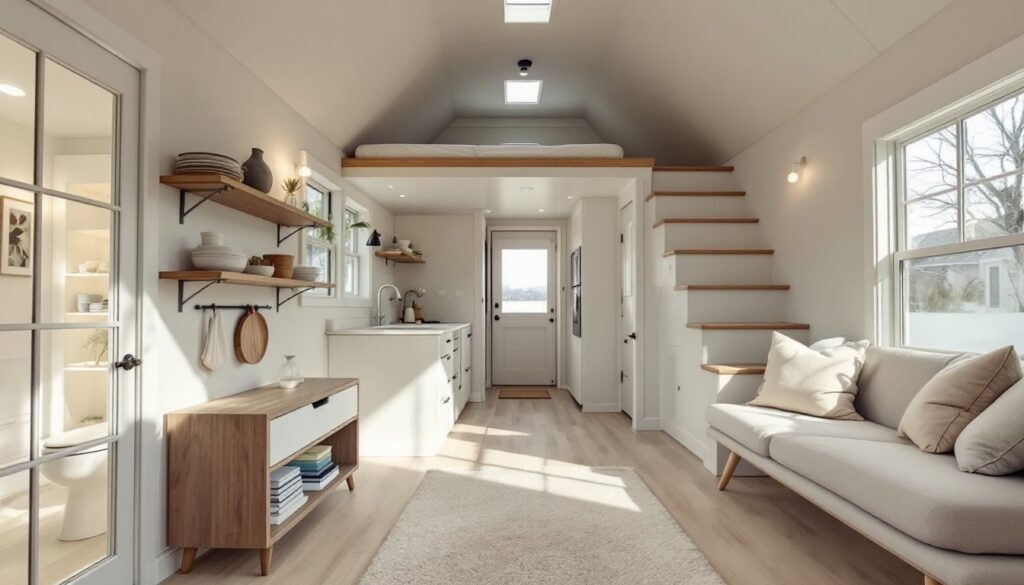
- Vertical space solutions like sleeping lofts, floor-to-ceiling shelving, and overhead cabinets reclaim valuable real estate and create the perception of higher ceilings and larger rooms.
- Hidden storage hacks including toe-kick drawers, staircase storage, recessed shelving, and hollow furniture bases keep clutter invisible while maintaining accessible organization for daily essentials.
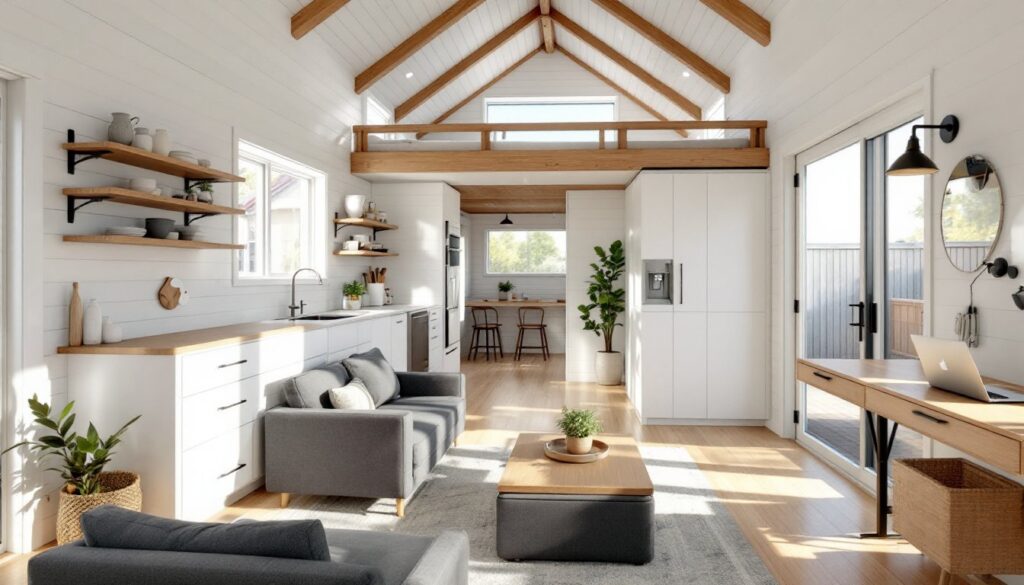
- Smart layout strategies—such as zone definition with rugs and lighting, pocket doors instead of swing doors, and floating furniture—create flow and prevent open-concept spaces from feeling chaotic.
- Outdoor extensions like decks, patios, and retractable awnings effectively expand living area by blurring the boundary between interior and exterior spaces.
Why Clever Design Is Essential for Tiny Home Living
Standard homes forgive design mistakes. Tiny homes don’t.
In a conventional house, wasted space is inconvenient. In a tiny home, it’s crippling. A 300-square-foot floor plan has no room for dead zones, awkward transitions, or single-use furniture. Every cabinet, every vertical surface, and every square foot needs a purpose, often several.
Spatial efficiency becomes non-negotiable. A well-designed tiny home uses vertical height, integrates storage into structural elements, and eliminates visual clutter through concealment. The goal isn’t just fitting everything in, it’s creating flow, breathing room, and livability.
This applies whether building a stationary dwelling or a mobile tiny home that travels. Weight distribution, balance, and compact fixtures become even more critical when your home is on a trailer. Builders need to account for road-safe weight limits (typically 10,000 pounds for most trailers) while maintaining structural integrity and insulation standards.
Clever design also addresses psychological comfort. Low ceilings feel oppressive: high ceilings with lofts add perceived volume. Light colors reflect natural light and expand visual space. Open shelving beats closed cabinetry for maintaining sightlines. These aren’t stylistic preferences, they’re functional necessities that determine whether a tiny home feels like a cozy retreat or a cramped box.
Multi-Functional Furniture That Does Double (or Triple) Duty
Single-purpose furniture is a luxury tiny homes can’t afford.
Start with Murphy beds or wall beds that fold vertically into cabinets. During the day, the same floor space becomes a living room, office, or yoga studio. Quality models include built-in desks or shelving that remain accessible when the bed is stowed. Expect to pay $1,500–$4,000 installed, depending on mattress size and cabinetry finish.
Convertible tables shift from coffee table to dining surface to workspace. Lift-top mechanisms (like gas-piston hardware commonly used in kitchen cabinets) raise the surface 10–12 inches, creating ergonomic desk or dining height. Some designs include hidden storage compartments underneath, ideal for linens, office supplies, or craft materials.
Storage ottomans and bench seating with lift-up lids turn every seat into a stash spot. Use them along walls to define zones (e.g., separating kitchen from living area) while hiding seasonal clothing, tools, or bulk pantry items. Build them with ¾-inch plywood and piano hinges for durability: upholster with stain-resistant fabric if they’ll see daily use.
Consider fold-down desks mounted to walls with heavy-duty brackets rated for 50+ pounds. When not in use, they fold flat against the wall, reclaiming floor space. Pair them with fold-out chairs or wall-mounted stools that stow similarly.
Many creative IKEA furniture modifications turn affordable flat-pack pieces into custom multi-functional solutions, think bed platforms with drawer cubbies or wall-mounted drop-leaf tables that collapse when not needed.
Vertical Space Solutions: Going Up Instead of Out
Most tiny homes waste their most valuable real estate: the upper half of the room.
Sleeping lofts are the cornerstone of vertical design. Positioned over bathrooms, kitchens, or entryways, they free main-floor square footage for living areas. Code requirements vary by jurisdiction, but the International Residential Code (IRC) allows habitable lofts with minimum ceiling heights as low as 35 inches at the perimeter, provided the center meets standard clearance. Use 2×6 or 2×8 joists on 16-inch centers, rated for live loads of 40 pounds per square foot minimum.
Install floor-to-ceiling shelving instead of waist-high bookcases. Open shelving keeps sightlines clear and makes the ceiling feel higher. Use upper shelves for seasonal items or rarely accessed gear: keep daily essentials at arm’s level. Anchor shelves to wall studs with 3-inch structural screws or toggle bolts rated for the load.
Overhead cabinets in kitchens should extend to the ceiling, not stop at the standard 84-inch height. That extra 12–18 inches holds baking sheets, serving platters, or small appliances. Use a step stool for access, it’s worth the trade-off.
Ladder storage racks mounted high on walls hold bikes, kayaks, or lumber. In urban tiny homes, vertical bike storage is often essential to meet parking or zoning requirements that limit outdoor storage.
Hanging pot racks, magnetic knife strips, and pegboard tool walls reclaim counter and drawer space. Mount them at shoulder height or above for easy access without blocking movement. Pegboard works especially well in workshops or craft areas, it’s reconfigurable and shows everything at a glance.
Hidden Storage Hacks That Keep Clutter at Bay
Out of sight doesn’t mean out of mind, it means out of the way.
Toe-kick drawers install in the 3–4-inch gap beneath base cabinets. They’re shallow but surprisingly useful for baking sheets, cutting boards, or flat cookware. Use full-extension drawer slides rated for side-mounting: European-style undermount slides work best in tight spaces.
Staircase storage beats fixed ladders for loft access. Each step becomes a drawer or lift-top compartment. Build stairs with 2×12 stringers and ¾-inch plywood treads: integrate drawers with 8-inch to 10-inch depths depending on tread size. This approach is common in custom tiny homes where builders tailor every element to the owner’s needs.
Hollow furniture bases add storage where it’s invisible. Sofas, beds, and built-in benches can sit on platforms with hinged lids or pull-out drawers underneath. Line the interior with 1/2-inch plywood to prevent sagging: add ventilation holes if storing fabrics.
Expert decluttering guides recommend assigning every item a designated home to prevent creep. In tiny homes, that means aggressive use of organizers: drawer dividers, lazy Susans, stackable bins, and tension rods that create vertical layers inside cabinets.
Recessed shelving between wall studs (which sit 16 inches on center in most builds) creates 3.5-inch-deep niches perfect for spices, toiletries, or books. Frame openings with 2×4 or 2×6 blocking, finish with drywall or trim, and paint to match walls for a seamless look.
Don’t overlook the space above doorways. Install shallow cabinets or shelves spanning the door frame, ideal for linens, office supplies, or pantry overflow.
Smart Layout Strategies for Open-Concept Tiny Spaces
Open floor plans feel spacious, until everything blurs together.
Zone definition is critical. Use rugs, lighting, and furniture placement to create visual boundaries without walls. A 6×8-foot area rug anchors a living zone: pendant lights mark the dining area: a kitchen island or counter defines the cooking space.
Avoid pushing all furniture against walls. Floating a sofa or bookshelf a few feet from the perimeter creates pathways and makes the room feel larger, not smaller. It’s counterintuitive but effective.
Galley kitchens maximize efficiency in narrow footprints. Position appliances and sink along one or two parallel walls with a 36-inch to 42-inch aisle between them (minimum code requirement for accessible design per ADA guidelines). Use 24-inch-deep base cabinets instead of standard 24-inch depths if space is tight, you’ll sacrifice storage but gain movement room.
Many small space living ideas emphasize the power of mirrors and reflective surfaces to expand perceived space. Mount a large mirror opposite a window to bounce natural light and double visual depth.
Consider pocket doors or barn-style sliding doors instead of traditional swing doors. A standard swing door requires 9–10 square feet of clearance: a slider or pocket door uses zero floor space. Install pocket door frames during framing (they fit inside standard stud bays) or surface-mount barn door hardware for retrofits.
Keep sightlines clear. Low-profile furniture, open shelving, and leggy pieces (sofas and tables with visible floor underneath) prevent the space from feeling blocked or heavy. This is especially relevant when designing for families who need flexible, multi-use layouts that adapt as kids grow.
Outdoor Extensions: Expanding Your Living Area Beyond Four Walls
The best way to add square footage to a tiny home is by blurring the line between inside and out.
Decks and patios function as seasonal living rooms. A 10×12-foot deck adds 120 square feet of usable space for dining, lounging, or hobbies. Build with pressure-treated lumber (rated for ground contact if posts touch soil) or composite decking for low maintenance. Attach ledger boards to the home’s rim joist with ½-inch lag screws every 16 inches, and use galvanized joist hangers for framing.
Fold-down exterior tables or wall-mounted counters create outdoor dining or prep areas that stow flat when not in use. Mount them to exterior sheathing with backing secured to studs, and use stainless steel hardware to resist corrosion.
Retractable awnings or pergolas extend outdoor season by providing shade and rain cover. Freestanding pergolas don’t require permits in many jurisdictions (check local zoning), while attached awnings may need structural approval.
Integrate outdoor storage sheds or bike lockers to offload gear that doesn’t need indoor space. A 4×6-foot shed holds tools, lawn equipment, or seasonal items. Use weatherproof materials like T1-11 siding or metal roofing, and anchor to a gravel or concrete pad for stability.
Some builders incorporate pass-through windows from kitchens to outdoor areas, creating a bar or serving counter that connects cooking to al fresco dining. Frame openings with pressure-treated sills and install windows with screens to prevent pest entry.
For those prioritizing eco-friendly practices, outdoor spaces can house rainwater collection systems, solar panel arrays, or composting stations, infrastructure that supports sustainable living without cluttering the interior.
Conclusion
Tiny homes demand intentional design, but the payoff is a space that works harder and feels better than most conventional houses. Prioritize multi-functional elements, exploit vertical real estate, and hide storage everywhere possible. Treat outdoor areas as extensions of the interior, and define zones to maintain flow. Done right, 300 square feet can live like 600, without the mortgage, utility bills, or wasted space.