Table of Contents
ToggleVirginia Beach offers more than beachfront condos and suburban subdivisions. The tiny home movement has gained serious traction here, attracting retirees downsizing near the coast, young professionals seeking affordable housing, and remote workers drawn to the beach lifestyle without the traditional mortgage. Whether you’re searching for a permanent residence, vacation retreat, or rental investment, the local tiny home market has evolved significantly. This guide walks through where to find tiny homes for sale, what they cost, how zoning works in the city, and what buyers need to know before signing on the dotted line.
Key Takeaways
- Tiny homes for sale in Virginia Beach range from $20,000 for DIY shells to $100,000+ for turnkey models with premium finishes, making them an affordable entry point in an expensive coastal market.
- Virginia Beach’s year-round mild climate, diverse job market, and proximity to outdoor recreation make it ideal for tiny home buyers seeking lifestyle flexibility without traditional mortgage commitments.
- Zoning regulations in Virginia Beach don’t explicitly address tiny homes, so placement legality depends on classification as a permanent dwelling, accessory dwelling unit, RV, or manufactured home—always request a zoning verification letter before purchasing.
- Used tiny homes require professional inspection for water damage, mold, and structural issues, while mobile units need weight verification and proper towing capacity to ensure DOT compliance.
- Financing tiny homes typically requires alternatives to traditional mortgages, such as personal loans, RV loans, or specialized tiny home lenders, since many conventional mortgage companies won’t finance these properties.
- Budget for hidden costs including delivery fees ($1–$3 per mile), utility hookups ($3,000–$10,000), permits, insurance, and property taxes, which can significantly exceed the purchase price.
Why Virginia Beach Is Perfect for Tiny Home Living
Virginia Beach sits at the intersection of coastal charm and practical living. The year-round mild climate means fewer weather-related maintenance headaches, no extreme freeze-thaw cycles cracking foundations or brutal winters testing undersized HVAC systems.
The city’s economy supports diverse employment, from military installations to tourism and remote work hubs. This job variety attracts tiny home buyers who aren’t tied to one industry. Proximity to Joint Base Langley-Eustis and Naval Air Station Oceana creates demand from military personnel seeking flexible, affordable housing that won’t trap them in a 30-year mortgage.
Outdoor recreation is practically built into the zip code. First Landing State Park, the Chesapeake Bay, and miles of public beaches provide the backyard most tiny homes lack. Residents trade square footage for location, which makes sense when you’re ten minutes from a kayak launch or bike trail.
The local real estate market is tight and expensive by traditional standards. Median home prices in Virginia Beach hover well above national averages, making tiny homes an attractive entry point for first-time buyers or those prioritizing mobility and reduced overhead. Utilities also cost less, heating and cooling 100 to 400 square feet uses a fraction of the energy compared to a conventional home, and water bills shrink proportionally.
Where to Find Tiny Homes for Sale in Virginia Beach
Online Marketplaces and Specialty Builders
National platforms dominate the search process. Tiny House Listings, Tiny Home Builders, and general classifieds like Facebook Marketplace and Craigslist feature both custom builds and resales in the Virginia Beach area. Filtering by location and price narrows results quickly, but always verify builder credentials and request detailed specs before committing.
Several regional builders serve the Hampton Roads area. These companies often deliver turnkey homes or offer semi-custom options where buyers choose finishes, loft configurations, and appliances. Expect lead times of three to six months for new builds, depending on complexity and material availability. Some builders also maintain model homes or showrooms, schedule a walkthrough to assess build quality, ceiling height, and layout flow before ordering.
Online marketplaces provide access to used inventory as well. Buyers can find gently used tiny homes from owners relocating or upgrading. Inspecting used units requires the same diligence as buying a conventional house: check for water damage around windows and roof seams, test all systems (plumbing, electrical, HVAC), and verify the trailer frame condition if it’s a RVIA-certified mobile unit.
Local Tiny Home Communities and Developments
Virginia Beach has seen emerging interest in tiny home communities, though options remain limited compared to other markets. A few private RV resorts and campgrounds allow long-term tiny home placement, especially units classified as park models (under 400 square feet, built on a trailer chassis).
Some landowners in the city’s less-developed western areas lease lots specifically for tiny homes. These arrangements vary, some include utilities and shared amenities, while others offer raw land requiring septic, well, and electric hookups. When it comes to understanding the financial side, many buyers weigh their long-term investment by considering factors like tiny home resale value before choosing between new construction and used models.
Staying informed about tiny home design trends can help buyers identify quality builds and popular features that enhance both livability and future marketability. A few developers have proposed tiny home subdivisions, but navigating city approval processes takes time. Monitor local planning commission meetings and zoning updates if you’re interested in community living rather than solo placement.
What to Expect: Pricing and Features of Virginia Beach Tiny Homes
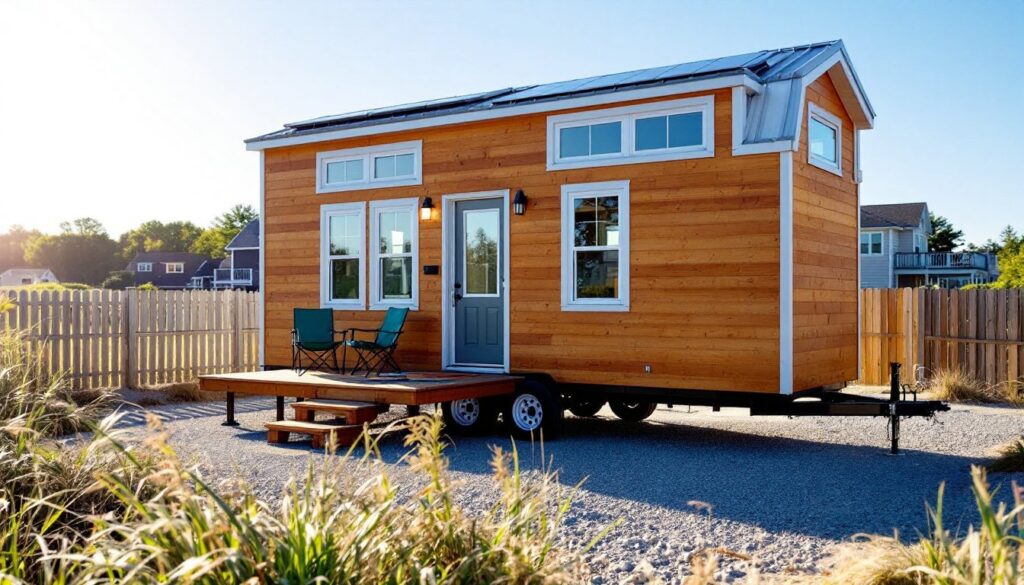
Pricing varies widely based on size, build quality, and whether the home is stationary or mobile. A basic DIY shell, framed walls, roof, windows, and doors on a trailer, starts around $20,000 to $30,000. Buyers finish the interior themselves, handling insulation, electrical, plumbing, and finishes. This route cuts costs but demands serious skills and time.
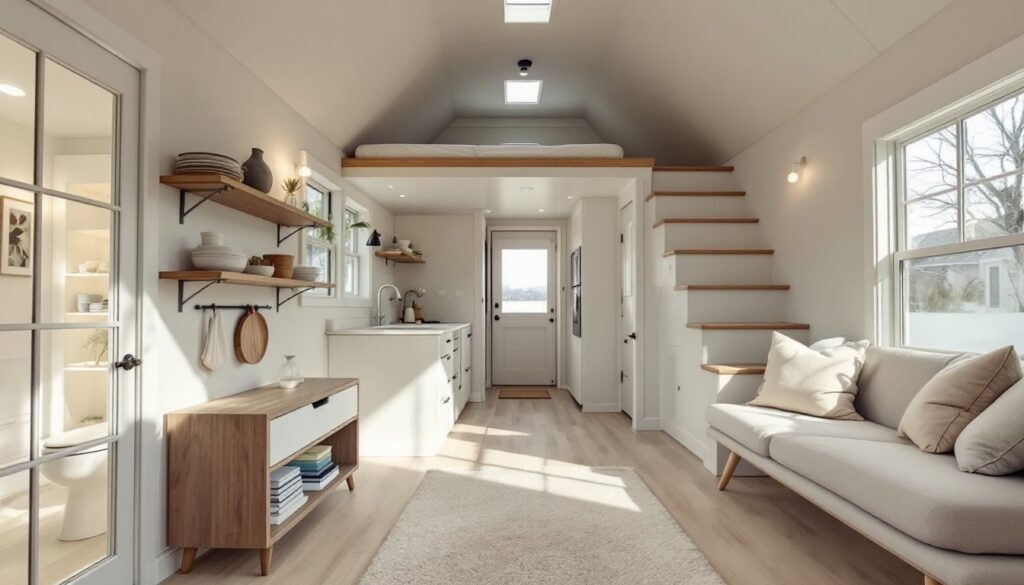
Turnkey models range from $50,000 to $100,000+, depending on square footage and upgrades. Standard features include a full kitchen with apartment-sized appliances, bathroom with shower or tub, sleeping loft, and basic HVAC. Premium finishes, hardwood flooring, quartz countertops, custom cabinetry, composting toilets, or off-grid solar systems, push prices higher.
Most tiny homes in the area fall between 150 and 350 square feet. Layout efficiency matters more than raw size. Look for designs with multi-function furniture (Murphy beds, fold-down tables), adequate storage (under-stair drawers, overhead cabinets), and natural light (strategically placed windows, skylights).
Utility hookups add cost if not already available on your land. Expect to budget $3,000 to $10,000 for electric service, water line installation, and septic or sewer connection. Off-grid setups require investment in solar panels, battery storage, propane tanks, and composting or incinerating toilets, initial costs run higher, but monthly expenses drop significantly.
Insurance and financing present challenges. Many traditional mortgage lenders won’t finance tiny homes, especially mobile units not permanently affixed to land. Personal loans, RV loans, or specialized tiny home lenders offer alternatives, though interest rates may exceed conventional mortgages. Liability and property insurance also differ, some carriers classify tiny homes as RVs, others as manufactured housing. Shop multiple insurers and clarify coverage terms.
Zoning Laws and Placement Options in Virginia Beach
Virginia Beach zoning codes don’t explicitly address tiny homes, which creates both flexibility and ambiguity. Placement legality depends on how the city classifies your unit: permanent dwelling, accessory dwelling unit (ADU), recreational vehicle (RV), or manufactured home.
Permanent dwellings must meet the International Residential Code (IRC) and local amendments. This includes minimum habitable room sizes, ceiling heights (typically 7 feet 6 inches in most areas), egress windows, and permanent foundation requirements. Tiny homes built to these standards and placed on owned land in residential zones can qualify, but expect scrutiny during permitting.
Accessory dwelling units offer a pathway in some zones if the tiny home sits on a lot with an existing primary residence. ADU regulations cap size (often 1,000 square feet max, well above most tiny homes) and mandate off-street parking. Not all zoning districts allow ADUs, check the city’s zoning ordinance or consult the Planning Department before purchasing.
RV classification applies to many mobile tiny homes. Virginia Beach limits RV placement in residential zones: long-term occupancy typically violates code unless the property is zoned for campgrounds or RV parks. Some owners navigate this by registering their tiny home as an RV and parking it in permitted locations, but enforcement varies by neighborhood.
Manufactured homes fall under separate regulations. If your tiny home meets HUD standards (built in a factory, transported on a permanent chassis), it may qualify as a manufactured home. These units require specific foundation types, tie-downs, and placement in zones permitting manufactured housing.
Before buying land or placing a tiny home, request a zoning verification letter from the city. This document clarifies what’s allowed on a specific parcel. For families considering a tiny home setup, reviewing options for tiny home for families can provide insights into layouts and zoning strategies that work with kids. Hiring a local attorney or zoning consultant familiar with tiny home issues saves headaches down the road. If you’re interested in mobility, exploring mobile tiny homes can help you understand the tradeoffs between permanent foundations and wheels.
Essential Tips for Buying Your Tiny Home in Virginia Beach
Inspect before you buy. Hire a licensed home inspector experienced with tiny homes or RVs if purchasing a used unit. Check for roof leaks, mold, faulty wiring, and trailer frame rust. Water damage hides easily in small spaces and spreads fast.
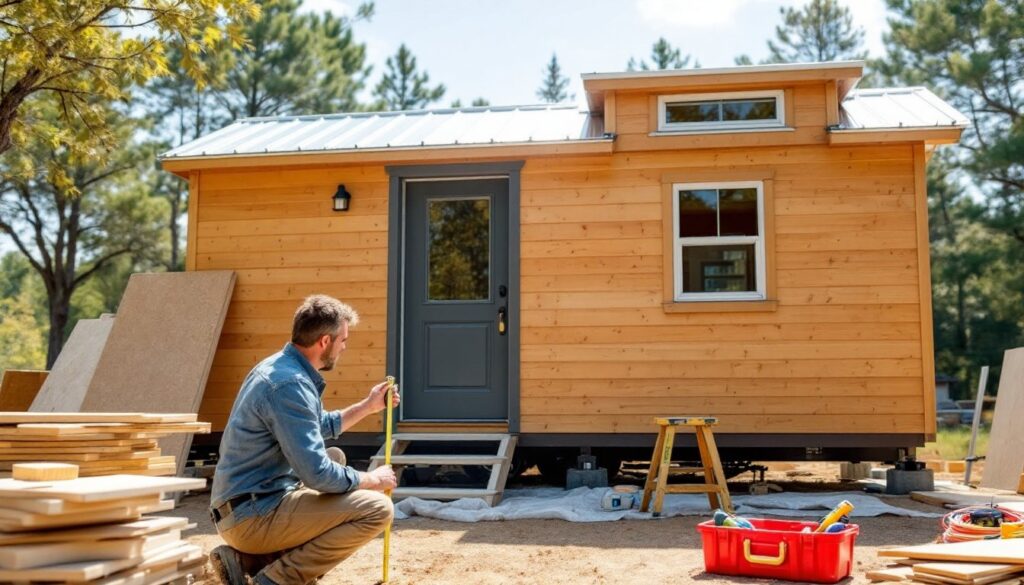
Verify measurements and weight. Confirm the home’s dimensions match the specs, some builders round up. If it’s mobile, weigh it at a truck scale. Overloaded trailers strain axles and violate DOT regulations during transport. Ensure your tow vehicle has adequate capacity (typically 10,000+ pound towing capacity for most tiny homes).
Research builders thoroughly. Request references, visit completed projects, and review contracts carefully. Avoid large upfront deposits without verified milestones. Legitimate builders provide detailed material lists, warranties, and clear timelines.
Plan for utilities early. Contact the city’s Public Utilities Department to confirm water, sewer, and electric availability on your intended lot. Budget for connection fees, metering, and any required infrastructure upgrades. If going off-grid, consult with solar installers and plumbers familiar with alternative systems.
Understand financing options. If a traditional mortgage isn’t available, explore personal loans, credit unions offering chattel loans, or tiny home-specific lenders. Compare interest rates and terms, some loans require the home to meet RVIA or NOAH certification standards. Planning for accessibility features can also enhance livability: details on ADA tiny home designs offer guidance for universal design principles.
Account for hidden costs. Beyond the purchase price, factor in delivery fees (often $1 to $3 per mile for mobile units), site prep, utility hookups, permits, insurance, and property taxes. When budgeting for site preparation and utility work, exploring resources like home improvement cost estimators can provide realistic pricing for excavation, grading, and hookup fees. Some municipalities assess tiny homes as personal property rather than real estate, affecting tax rates.
Join local tiny home groups. Online communities and social media groups specific to Virginia Beach or Hampton Roads offer firsthand advice, builder recommendations, and zoning updates. Experienced owners share lessons learned and help newcomers avoid common pitfalls.
Visit models in person. Tiny living sounds romantic until you spend a night in one. Rent an Airbnb tiny home or visit a builder’s showroom. Test the sleeping loft ladder, cook in the kitchen, and sit in the bathroom. Ceiling height, noise transfer, and storage access feel different in person than on a floor plan.
Reading reviews and updates on tiny home communities can offer perspectives on the broader tiny home movement and emerging developments in coastal areas like Virginia Beach. Patience and due diligence pay off when buying a tiny home, especially in a market still defining its rules.