Table of Contents
ToggleTiny house expos bring together builders, designers, and prospective tiny home owners under one roof. Whether someone is planning a full-scale downsize or just curious about maximizing space efficiency, these events showcase dozens of homes in person, offer hands-on tours, and connect attendees with manufacturers and experts. For anyone serious about going tiny, or just fascinated by creative compact design, expos cut through online research clutter and deliver real-world context. This guide covers what to expect, how to find events, and how to walk away with actionable next steps.
Key Takeaways
- Tiny house expos allow prospective buyers and DIY builders to tour full-scale models, compare construction quality, and connect directly with manufacturers and experts in person.
- Understanding insulation types, electrical systems, plumbing configurations, and material quality during tours helps you evaluate whether a tiny home meets your climate and lifestyle needs.
- Major workshops at tiny house expos cover zoning laws, financing options (including newer tiny home loans), off-grid solar systems, and DIY build basics—knowledge that can save months of trial and error.
- Preparation before attending—listing your priorities, measuring your land, researching local codes, and setting a budget—transforms a casual expo visit into a productive fact-finding mission.
- Spring and fall expos cluster across regions with ticket prices typically between $10–$25; checking builder social media, RV show calendars, and tiny living forums helps you locate events and find discount codes nearby.
What Is a Tiny House Expo and Why Should You Attend?
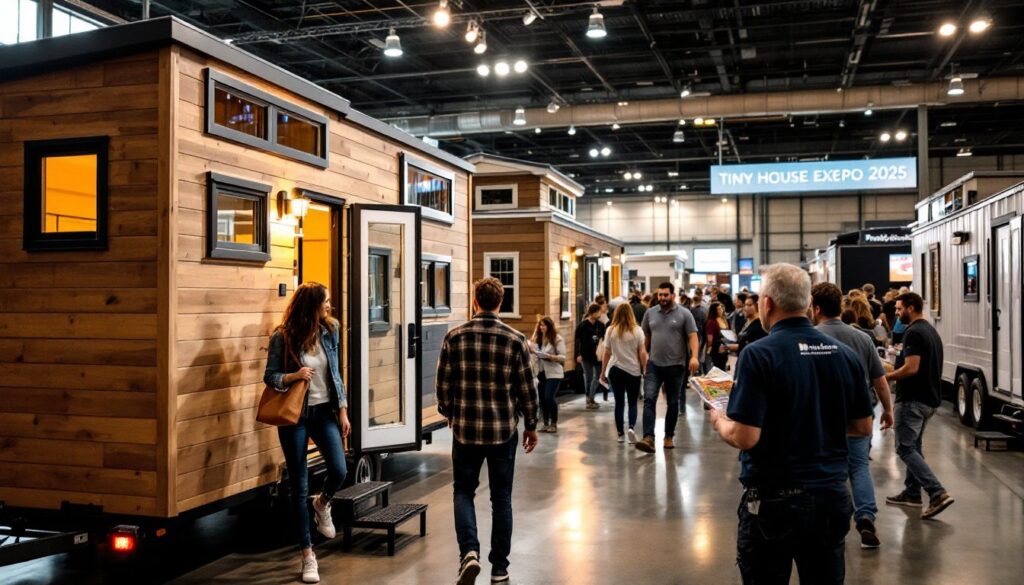
A tiny house expo is a trade show or public event where builders, suppliers, and enthusiasts gather to display tiny homes, RVs, park models, and related products. Unlike scrolling through photos online, attendees walk through full-scale models, open cabinets, test Murphy beds, and gauge ceiling height firsthand.
These events serve multiple audiences. Prospective buyers compare construction quality and floor plans side by side. DIY builders source materials, trailer specs, and hardware. Curious homeowners mine ideas for space-saving solutions applicable to standard homes, fold-down desks, stackable storage, wall-mounted HVAC systems.
Expos also clarify the fine print. Zoning laws, building codes (often adapted from the IRC Appendix Q for tiny houses on foundations), and RV certification requirements vary by jurisdiction. Speaking directly with builders who’ve navigated permitting in specific states or provinces saves months of trial and error. For those considering a tiny home community, expos often feature representatives from established developments who can discuss land leases, HOA rules, and utility hookups.
What to Expect at a Tiny House Expo
Hands-On Tiny Home Tours and Models
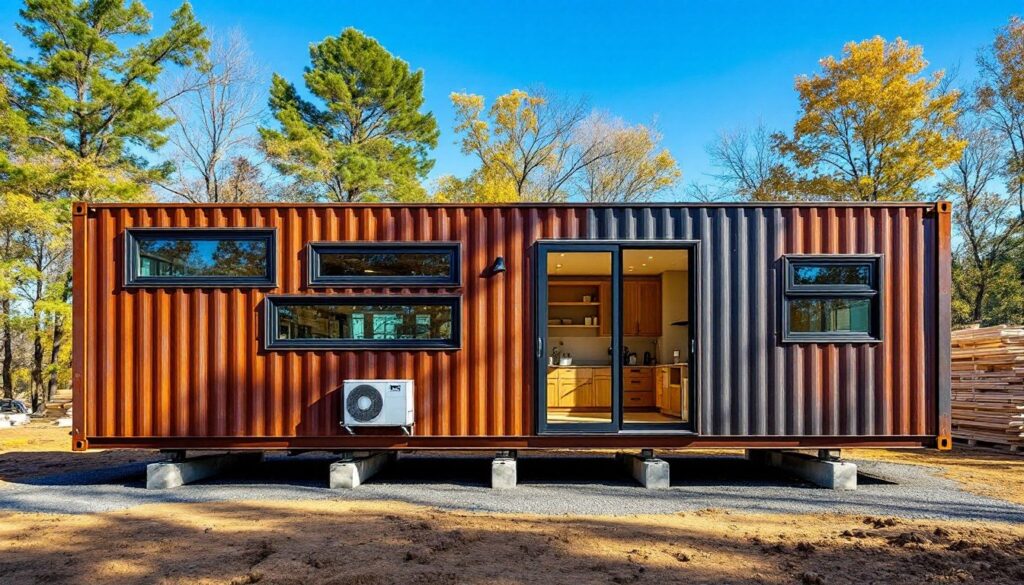
The main draw is touring actual homes. Expect to see models ranging from 100 to 400 square feet, built on trailers (RVIA-certified towables) or foundations. Construction styles vary: SIPs (structural insulated panels), conventional 2×4 or 2×6 framing, steel frames, or reclaimed shipping containers.
Pay attention to:
- Insulation type and R-value. Cold-climate builds often use spray foam (R-6 to R-7 per inch) or mineral wool batts, while milder regions may use standard fiberglass.
- Electrical systems. RV-style 30-amp shore power, off-grid solar with battery banks, or standard residential 100-amp or 200-amp panels if the unit is foundation-mounted.
- Plumbing configurations. Composting toilets vs. traditional flush toilets with black-water tanks, tankless propane water heaters vs. electric models, and greywater handling.
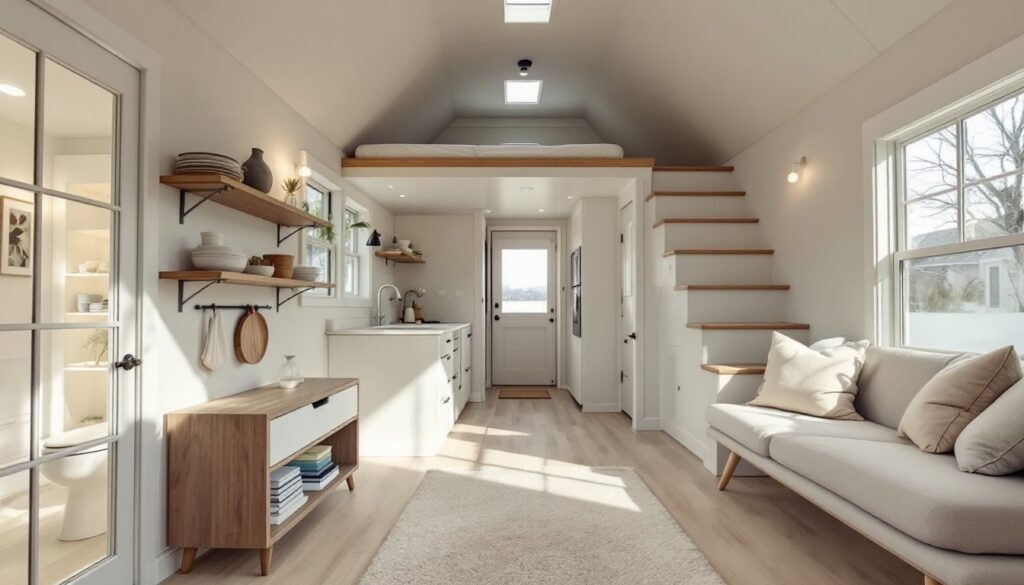
- Loft access. Ladder vs. staircase. Stairs eat floor space but improve safety and usability, especially for older adults or families.
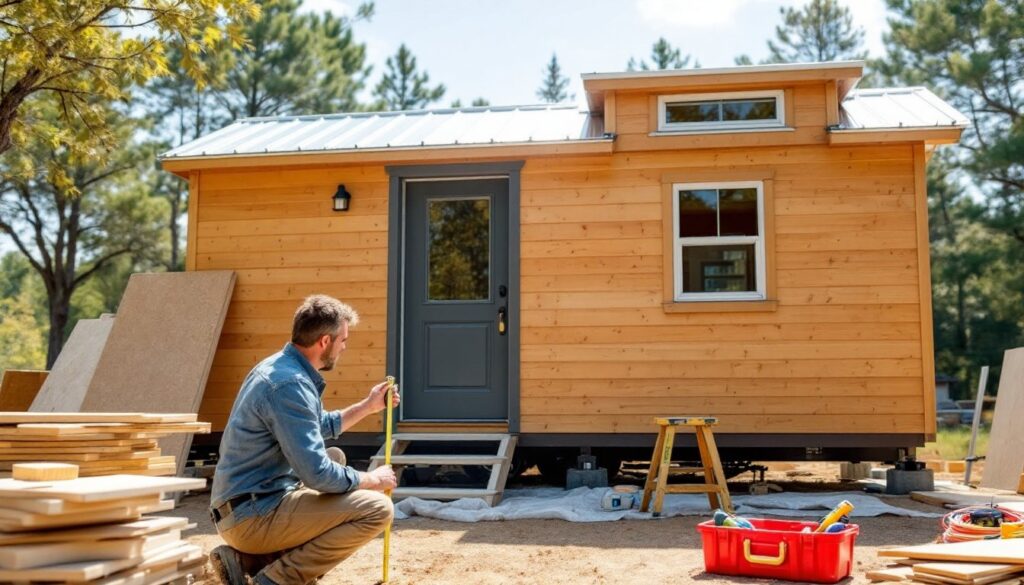
Open drawers, test cabinet hinges, and check for signs of quality joinery. Look for actual lumber dimensions in framing (a 2×4 is really 1.5″ × 3.5″). Ask if exterior sheathing is OSB or plywood, plywood handles moisture better but costs more.
Many builders showcase innovative solutions: slide-out porches, roof decks, fold-down work surfaces, or under-floor storage accessible via hatches. These features often translate well to garage conversions or tiny house garage projects.
Expert Workshops and Panel Discussions
Most expos schedule hourly workshops covering:
- Zoning and legal issues. What constitutes an ADU (accessory dwelling unit) vs. an RV vs. a permanent dwelling. How to apply for variances or special-use permits.
- Financing. Traditional mortgages rarely cover tiny homes on wheels. Options include RV loans, personal loans, or cash purchases. Some lenders now offer “tiny home loans” for RVIA-certified or NOAH-certified builds.
- Off-grid systems. Sizing solar arrays (calculate daily watt-hours, then multiply by 1.3–1.5 for inefficiency and cloudy days), selecting battery chemistry (lithium iron phosphate vs. AGM), and installing 12V DC systems alongside 120V AC circuits.
- DIY build basics. Trailer selection (tandem-axle, gooseneck, or bumper-pull), framing techniques, and moisture barriers (Tyvek vs. Zip System sheathing).
Panelists often include builders who’ve completed hundreds of units, tiny home owners discussing real-world challenges (propane refills in winter, composting toilet maintenance, towing logistics), and architects familiar with urban tiny homes integrated into city infill lots.
Workshops can get technical. Bring a notebook or phone for photos and notes. Builders sometimes share cut lists, recommended fastener schedules (like using #8 × 2.5″ exterior screws for sheathing instead of nails to resist road vibration), or sources for hard-to-find hardware like European-style cabinet hinges or marine-grade plywood.
How to Find Tiny House Expos Near You
Tiny house expos run year-round but cluster in spring and fall. Major events draw 5,000+ attendees over a weekend. Regional shows may host a dozen builders in a fairground or convention center.
To locate events:
- Search “tiny house expo [state/province] 2026” or “tiny home show near me.” Many expos maintain mailing lists with early-bird ticket discounts.
- Follow tiny home builders on social media. Manufacturers often announce tour schedules months ahead, listing which expos they’ll attend.
- Check RV show calendars. Larger RV expos dedicate sections to tiny homes and park models. The overlap makes sense, both use similar trailer platforms and RVIA certification.
- Join online forums or Facebook groups focused on tiny living. Members post expo reviews and share discount codes.
Ticket prices range from $10 to $25 for general admission, with VIP or multi-day passes available. Some expos offer free entry for children or active military.
If no expo is nearby, consider a road trip. Combining an expo visit with tours of custom tiny homes from local builders or regional tiny home communities maximizes the learning opportunity. According to Curbed, tiny home interest has surged in metro areas where housing costs have outpaced wage growth, making urban expos particularly valuable for city dwellers.
Making the Most of Your Tiny House Expo Visit
Preparation turns a casual browse into a productive fact-finding mission.
Before the expo:
- List priorities. Is the goal full-time living, a backyard office, a vacation rental, or a mobile tiny home for travel? Narrow the focus to avoid information overload.
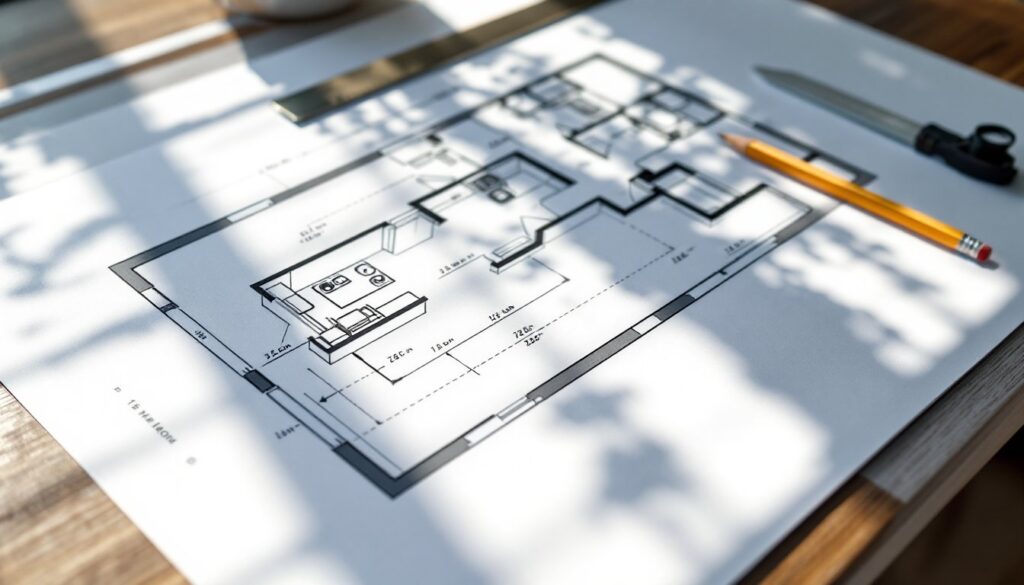
- Measure and sketch. Bring dimensions of any land, garage, or parking pad where the home might sit. Builders can quickly assess feasibility.
- Research local codes. Know if the jurisdiction allows tiny homes on wheels, requires foundation tie-downs, or mandates minimum square footage. This context sharpens questions.
- Set a budget range. Turnkey builds run $50,000 to $150,000+ depending on size, finishes, and certifications. DIY shell kits start around $10,000 but require significant sweat equity.
At the expo:
- Wear comfortable shoes. Expect to walk several miles touring homes and navigating exhibit halls.
- Take photos and videos (if permitted). Capture layout details, hinge types, joinery, and finish work. These become references during a DIY build or when comparing quotes.
- Ask specific questions:
- What’s the dry weight vs. GVWR (gross vehicle weight rating) if it’s towable?
- What warranty covers structural components, appliances, and systems?
- Does the builder handle delivery and setup, or is that on the buyer?
- What’s the lead time from deposit to delivery?
- Collect business cards and brochures. Many builders offer show-only discounts or free design consultations for attendees.
- Attend at least two workshops. Even if topics seem basic, Q&A sessions often surface insider tips not covered in presentations.
After the expo:
- Compare notes. Rank builders by construction quality, price, and communication style.
- Follow up within a week. Builders appreciate prompt inquiries and may still honor expo pricing.
- Join a tiny house community online or locally to continue learning. Members share recommendations for financing, insurance (often tricky for homes on wheels), and parking solutions.
For families weighing the transition, visiting a tiny home for families display can clarify whether bunk rooms, convertible furniture, or expandable slide-outs make multi-person living viable. Design enthusiasts often find layout ideas applicable to conventional homes, as noted by Apartment Therapy, which frequently covers space-saving techniques pioneered in tiny homes.
Consider long-term factors like tiny home resale value, which hinges on build quality, certification, and market demand in the region. Builders at expos can share data on depreciation rates and buyer trends. Advanced construction techniques discussed at expos, such as those covered by Fine Homebuilding, apply equally to tiny homes and conventional projects, proper flashing, air sealing, and thermal bridging solutions matter regardless of square footage.
Conclusion
Tiny house expos compress months of research into a single weekend. Walking through models, quizzing builders, and attending workshops delivers clarity that online browsing can’t match. Whether the goal is a DIY build, a turnkey purchase, or simply borrowing ideas for a renovation, expos provide the hands-on context and expert access needed to make informed decisions. Mark the calendar, prep questions, and plan to take plenty of notes.