Imagine a world where your coffee brews itself, your lights know when to dim, and your home security is smarter than a fifth grader. Welcome to the realm of Z-Wave devices, where home automation isn’t just a dream—it’s a reality. These nifty gadgets communicate wirelessly, creating a symphony of connectivity that transforms ordinary living into a high-tech haven.
Z-Wave technology is like the secret sauce of smart homes, offering seamless integration and energy efficiency. Whether it’s controlling your thermostat from the couch or turning off the lights with a wave of your hand, Z-Wave devices bring convenience to a whole new level. Get ready to unlock the potential of your home and embrace a lifestyle where everything’s just a tap or a voice command away. Who knew being lazy could feel this good?
Overview of Z-Wave Devices
Z-Wave devices serve a crucial role in home automation, enabling wireless communication between various gadgets throughout a household. These devices operate on a low-energy wireless protocol, making them energy-efficient while still offering reliable performance. Users can manage tasks through a central hub, providing a streamlined solution that integrates seamlessly with compatible technology.
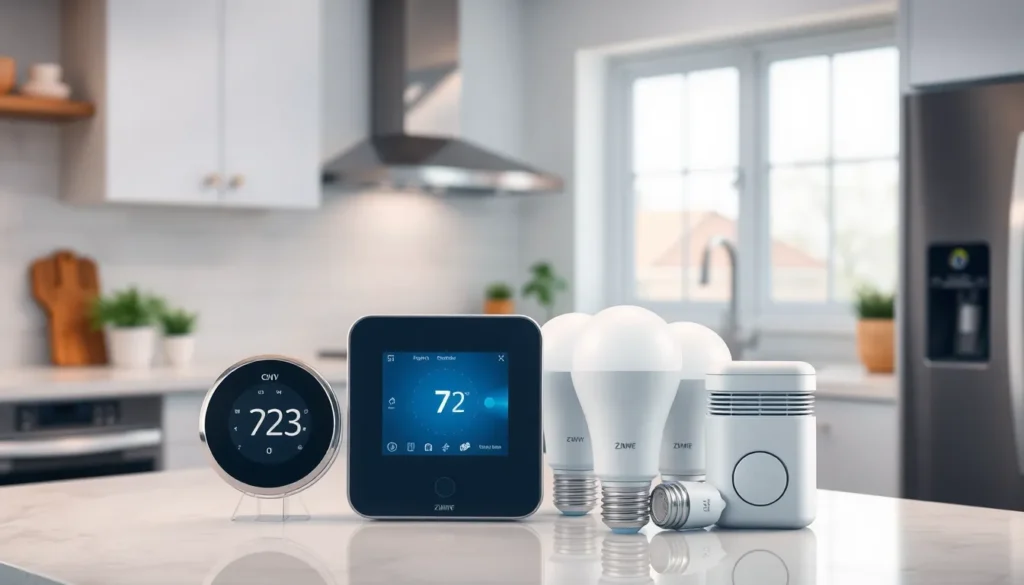
Smart lighting systems exemplify the capabilities of Z-Wave technology. Lights can be turned on, off, or dimmed remotely, contributing to convenience and energy savings. Additionally, Z-Wave-compatible thermostats adjust temperatures based on preferences, enhancing comfort levels in living spaces.
Security applications represent another significant sector for Z-Wave devices. Smart locks and cameras can be monitored or controlled from anywhere, increasing home safety. These security features can notify users in real-time about unauthorized access, providing peace of mind.
Home entertainment systems also benefit from Z-Wave integration. This technology allows users to easily control audio and video devices, creating customizable experiences with just a few taps on a mobile device. Users appreciate the convenience of operating multiple devices through a single platform.
The expanding range of Z-Wave devices includes various sensors, such as motion detectors and door/window sensors. They enhance home security and awareness by sending alerts when unusual activity occurs. Many users value these sensors for their ability to automate responses based on specific conditions.
Z-Wave devices offer versatility and enhanced control in home automation. Their energy-efficient operation and ease of integration make them a preferred choice for those looking to upgrade their living spaces.
How Z-Wave Technology Works
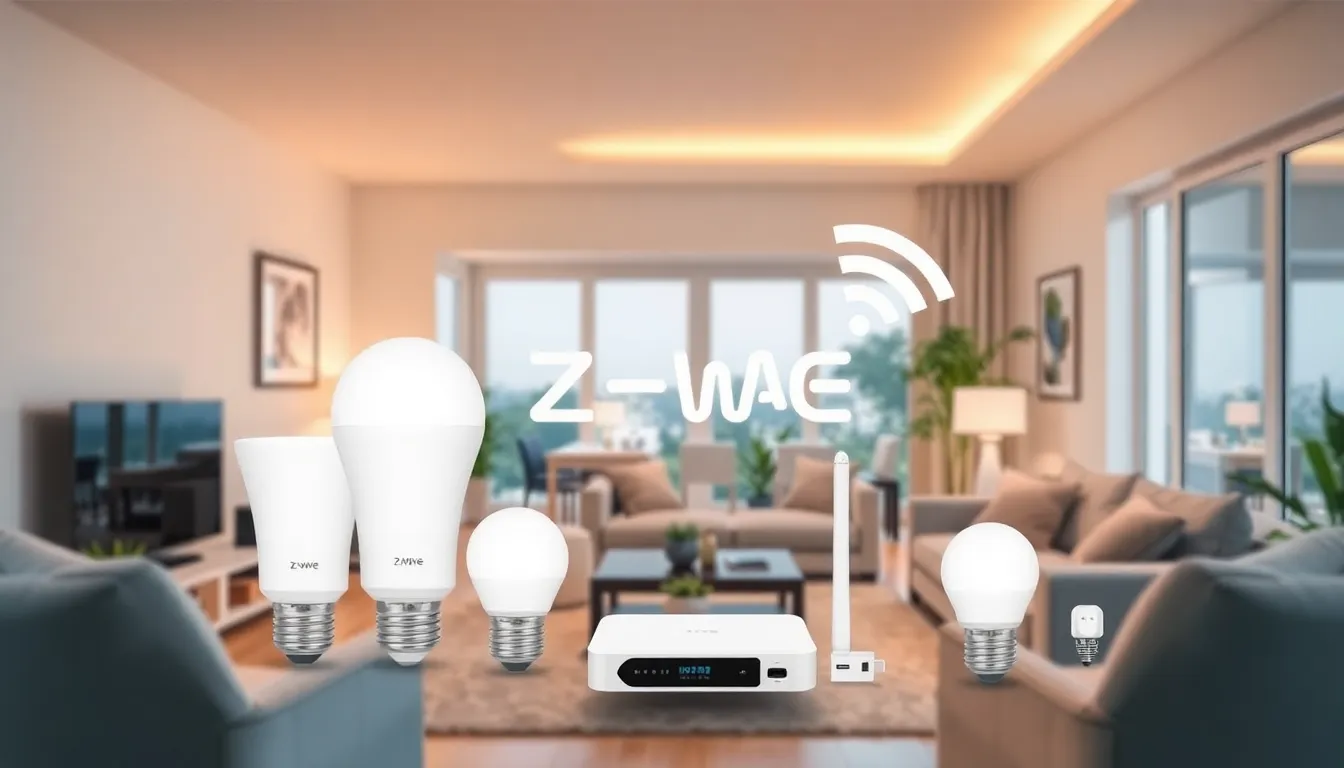
Z-Wave technology operates on a low-power, wireless communication protocol designed for home automation, ensuring reliable connectivity between devices.
Network Architecture
This technology utilizes a mesh network architecture. Each Z-Wave device acts as a node, relaying communication to other devices within range. Devices support two-way communication, enhancing reliability. The mesh configuration allows signals to travel around obstacles, which strengthens connectivity. A central hub coordinates the network, facilitating command and control among all connected Z-Wave devices. This setup enables a wide coverage area, making it easier to connect multiple devices in larger homes.
Communication Protocols
Z-Wave employs a proprietary communication protocol tailored for low-energy usage. It operates within the sub-1 GHz frequency range, minimizing interference from Wi-Fi devices. Each device communicates using encrypted messages, enhancing security during data transmission. Z-Wave supports a specific number of devices on a single network, typically up to 232. This limitation allows for organized management without overwhelming the network. Devices can be easily configured, promoting interoperability among various brands and enhancing home automation capabilities.
Benefits of Using Z-Wave Devices
Z-Wave devices offer numerous advantages that enhance home automation experiences. Their reliability and energy efficiency stand out among their key features.
Reliability and Range
Z-Wave devices boast reliable connectivity due to their mesh network architecture. Each device in this network acts as a node, relaying signals, which enhances overall reliability. The frequency range operates below 1 GHz, reducing interference from Wi-Fi networks. Greater range ensures that even distant devices maintain seamless communication. Homeowners benefit from uninterrupted control over their devices without the concerns of traditional wireless issues. Up to 232 devices can link through one network, promoting efficient management of multiple gadgets. This scalability provides flexibility for expanding smart home setups.
Energy Efficiency
Energy efficiency is another highlight of Z-Wave technology. Devices communicate using low-power signals, minimizing overall energy consumption. Such a design not only conserves energy but also extends battery life for wireless devices. Users enjoy optimal performance without frequent battery replacements. Z-Wave’s ability to regulate power usage translates to long-term cost savings on energy bills. By utilizing smart thermostats and lighting systems, homeowners can further enhance their savings while maintaining comfort. Efficient energy use contributes to a more sustainable and eco-friendly living environment.
Popular Z-Wave Devices in the Market
Various Z-Wave devices enhance home automation, making daily tasks more convenient. Each category of devices offers unique features that contribute significantly to smart living.
Smart Home Security
Smart locks topped the list of Z-Wave devices. They enable users to lock and unlock doors remotely, ensuring peace of mind. Security cameras integrated with Z-Wave technology provide real-time monitoring, sending alerts for any suspicious activity. Additionally, window and door sensors detect unauthorized entries, significantly boosting home safety. Motion detectors serve as a proactive measure, notifying homeowners of unexpected movements. These devices work seamlessly with a central hub for streamlined monitoring and control.
Home Automation Solutions
Home automation solutions include smart lighting systems that allow users to control brightness from anywhere. Z-Wave-compatible thermostats adjust temperatures automatically, creating personalized comfort settings. Smart plugs transform conventional devices into intelligent tools, providing remote control capabilities. Automated window coverings enhance privacy and energy efficiency with scheduled commands. Home entertainment devices also benefit, offering a unified control experience for audio and video systems. With such diverse options, Z-Wave devices simplify daily routines and enhance overall living experiences.
Installation and Setup of Z-Wave Devices
Installing and setting up Z-Wave devices involves a straightforward process. First, users should choose a central hub compatible with their selected Z-Wave devices. Popular hubs include SmartThings and Aeotec, both enabling easy management of Z-Wave networks.
Next, placement of devices becomes crucial. Each Z-Wave device must be within range of the hub or other nodes to effectively communicate. Ideally, devices should be distributed throughout the home, ensuring good connectivity. Users can start by placing sensors and smart switches in areas that need enhanced automation, such as entryways and main living spaces.
After positioning, it’s time to power on the devices. Most Z-Wave devices come with clear instructions. Typically, this involves inserting batteries for wireless devices or connecting them to a power source. Users should follow manufacturer guidelines for optimal performance.
Connecting devices to the hub follows the power-up process. Usually, this requires using a mobile app that accompanies the hub. Users start the pairing process by selecting the option in the app to add a new device. They then follow prompts, which may include pressing a button on the device to establish a secure connection.
Configuration settings allow customization of automation preferences. Users can set schedules for smart lighting systems, adjust thermostat settings, or configure alerts from motion sensors. Each device offers specific controls which enable tailored responses to user behaviors.
Lastly, testing the setup ensures everything functions properly. Users should check device responsiveness, ensuring that commands sent through the hub execute as intended. Regular updates from the hub’s manufacturer often enhance security and performance, so maintaining updates is advisable to support continued reliability.
Z-Wave devices stand out as a cornerstone of modern home automation. Their ability to create a seamless and energy-efficient connected environment enhances convenience and comfort for users. With a robust mesh network architecture and low-power communication, these devices ensure reliable performance while minimizing interference.
The diverse range of Z-Wave products—from smart locks to lighting systems—offers solutions that cater to various needs. As technology continues to evolve, Z-Wave remains a preferred choice for homeowners looking to upgrade their living spaces. Embracing Z-Wave technology not only simplifies daily tasks but also contributes to a more sustainable lifestyle.