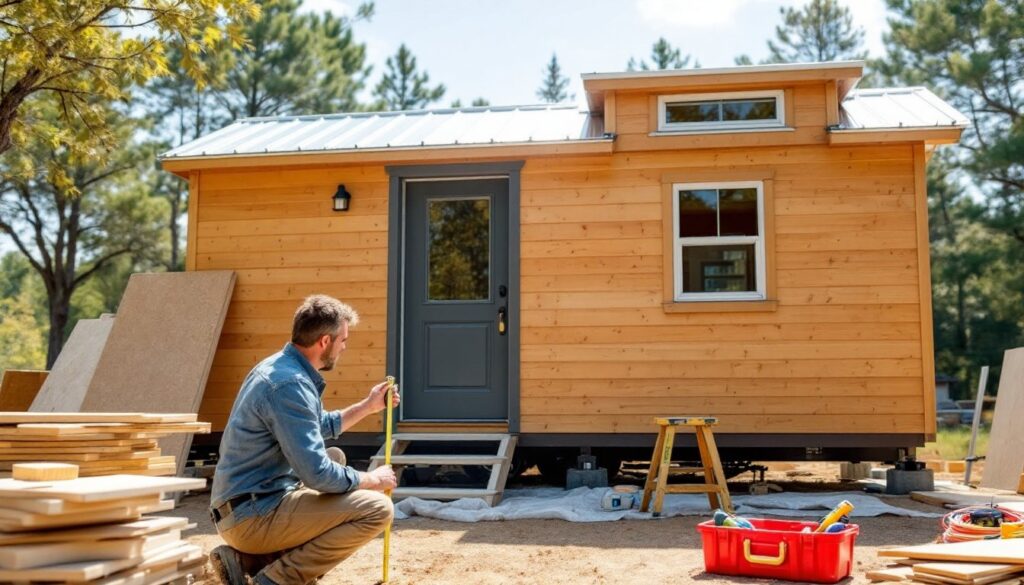
In a world where tiny houses are popping up faster than you can say “minimalist living,” rainwater harvesting is the cherry on top of this eco-friendly sundae. Imagine sipping your morning coffee while knowing you’re saving the planet, one raindrop at a time. It’s like having your cake and eating it too, but instead of cake, it’s a sustainable water source right outside your door.
Overview of Tiny House Rainwater Harvesting
Tiny house rainwater harvesting offers a practical solution for sustainable living. This method allows individuals living in compact spaces to capture and utilize rainwater efficiently. With minimal installation requirements, the system enhances resource management.
Rainwater collection starts with roof systems designed to direct water into storage tanks. These tanks can hold anywhere from 50 to 5,000 gallons, depending on household needs and rainfall patterns. Various filtration systems ensure that harvested rainwater remains clean and safe for use.
Utilizing rainwater for daily activities significantly reduces reliance on municipal water sources. Individuals can use this resource for irrigation, toilet flushing, and even showering, depending on local regulations. Rainwater harvesting systems contribute to water conservation efforts, especially in regions experiencing drought conditions.
Cost savings represent another significant benefit. Homeowners often notice reductions in their water bills after implementing a rainwater harvesting system. Government incentives or rebates may also be available, which can offset setup costs and encourage adoption.
Integration with existing systems can occur easily in tiny homes. Many homeowners choose to add this feature during construction or renovation. Combining rainwater harvesting with greywater recycling systems promotes further water saving, enhancing environmental impacts.
Overall, tiny house rainwater harvesting stands out as a smart choice for eco-conscious individuals. This sustainable practice supports the minimalist lifestyle associated with tiny homes while promoting resilience against changing weather patterns. Embracing rainwater harvesting aligns perfectly with the values of those pursuing a simpler, greener way of life.
Benefits of Rainwater Harvesting for Tiny Houses

Rainwater harvesting offers numerous advantages for tiny houses. It enhances sustainability while promoting self-sufficiency in water usage.
Environmental Impact
Harvesting rainwater significantly reduces the burden on local water supplies. It decreases stormwater runoff, which can lead to contamination and erosion. Additionally, utilizing harvested rainwater contributes to the conservation of natural resources by providing an alternative water source. By filtering and using rainwater, individuals lower their dependence on municipal water systems. Consequently, this practice supports overall ecosystem health and biodiversity.
Cost Savings
Rainwater harvesting leads to notable cost savings for tiny house dwellers. It often results in reduced water bills as homeowners rely less on city water supplies. Many areas provide incentives or rebates for installing rainwater collection systems, leading to further financial benefits. Maintenance costs for these systems remain low, especially when compared to traditional water sources. Some states offer tax credits, enhancing the economic appeal of sustainable living. Over time, savings accumulate, incentivizing the adoption of efficient water practices.
Essential Components of a Rainwater Harvesting System
Rainwater harvesting systems consist of various essential components that work together to capture and utilize rainwater effectively. Understanding these components allows homeowners to build efficient systems tailored to their needs.
Catchment Area
The catchment area plays a vital role in rainwater harvesting. Typically, roofs serve as the primary catchment surface in tiny homes. Materials such as metal or tiles yield good water quality with effective runoff. When it rains, gravity directs water from the roof into the downspouts. The catchment area size influences water collection; larger roofs capture more water. Orientation and pitch of the roof can enhance effectiveness, maximizing rainwater collection during storms.
Storage Tanks
Storage tanks store harvested rainwater for later use. Various tank materials are available, including plastic, concrete, and fiberglass. The size of these tanks depends on the household’s water usage. Smaller tanks may suffice for minimal needs, while larger tanks accommodate families or extensive irrigation. Proper placement ensures accessibility for maintenance and cleaning, as well as structural support. Tanks must also comply with local regulations for safety and design standards.
Filtration Systems
Filtration systems maintain water quality in rainwater harvesting. First, pre-filtration removes debris and large particles before water enters the storage tank. A second filtration stage often occurs before usage, ensuring safety for activities like showering or irrigation. Common filtration methods include sediment filters and activated carbon filters. Regular maintenance of these systems prevents clogs and ensures clear, clean water. Homeowners benefit from knowing their water supply remains safe and sanitary for everyday tasks.
Steps to Implement a Rainwater Harvesting System
Creating a rainwater harvesting system involves careful planning and execution to maximize efficiency and functionality.
Planning and Design
First, assess the roof’s catchment area. This area collects rainwater, so size it according to expected rainfall and household water needs. Next, determine the storage tank’s capacity. The tank should hold enough water to meet usage patterns, such as irrigation or household needs. Selecting appropriate filtration systems enhances water quality. Pre-filtration and advanced filtration methods maintain cleanliness for safe consumption. Incorporate local regulations during the planning stage. Compliance ensures the system meets legal requirements and facilitates smooth installation.
Installation Process
Begin installation by preparing the roof’s catchment area. Clean it thoroughly to eliminate debris that may contaminate the water. Position gutters along the edges of the roof to redirect rainwater into the storage tank. Securely attach downspouts to guide water efficiently. After installing gutters, place the storage tank in a stable location, ensuring accessibility for maintenance. Connect filters within the system to keep harvested water clean. With all components in place, conduct a test run to ensure everything functions correctly. Ensure to document the installation process for future reference and maintenance needs.
Conclusion
Tiny house rainwater harvesting stands as a key element in the pursuit of sustainable living. By efficiently capturing and utilizing rainwater, individuals can significantly reduce their environmental impact while enjoying cost savings on water bills. This eco-friendly practice not only enhances self-sufficiency but also supports local ecosystems by alleviating pressure on municipal water supplies.
As more people embrace minimalist lifestyles, rainwater harvesting offers a practical solution that aligns with their values. With straightforward installation and low maintenance requirements, it’s an accessible option for those looking to enhance their tiny home experience. Embracing this method fosters a deeper connection to nature and promotes a greener future for all.