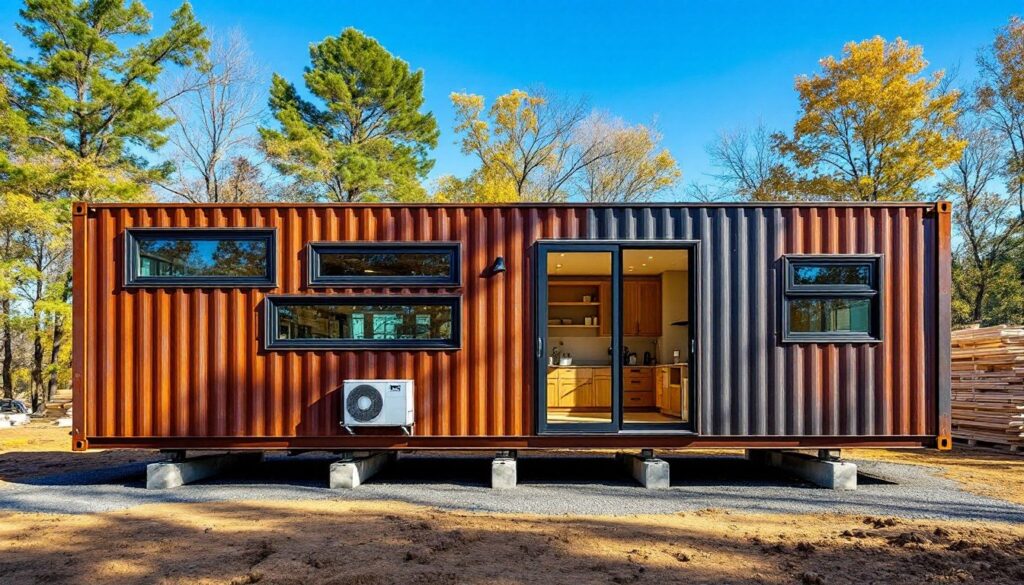
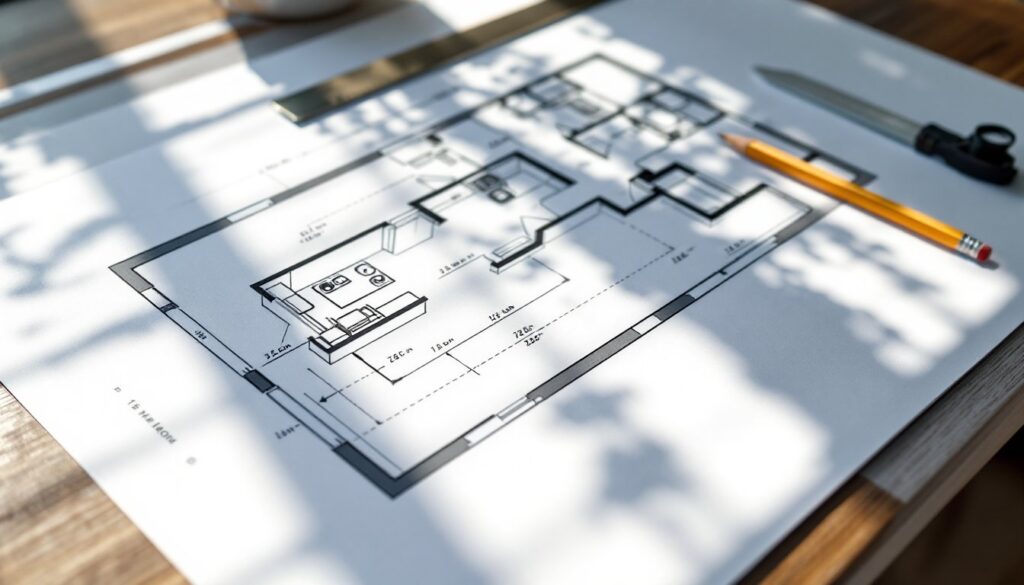
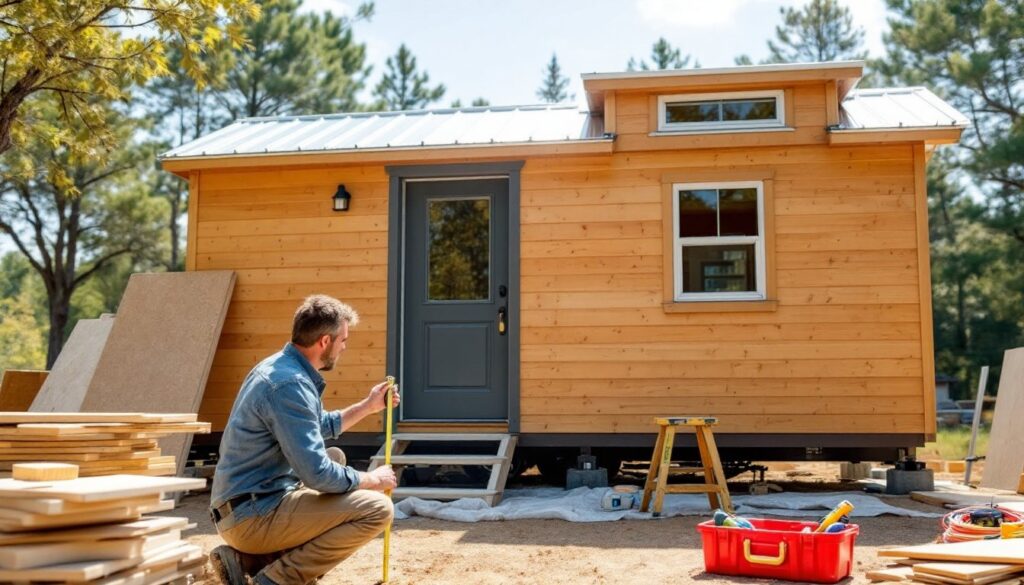
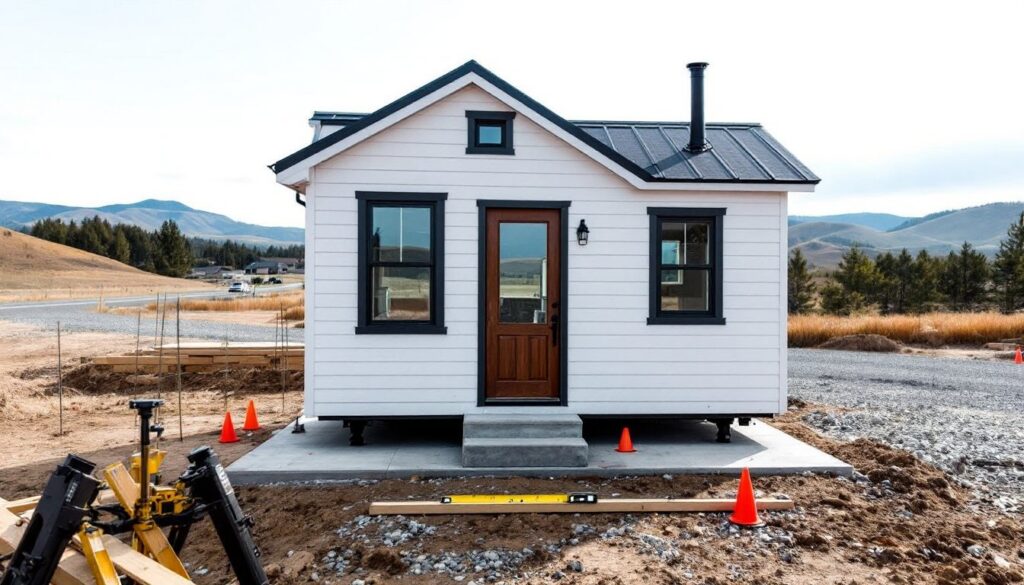
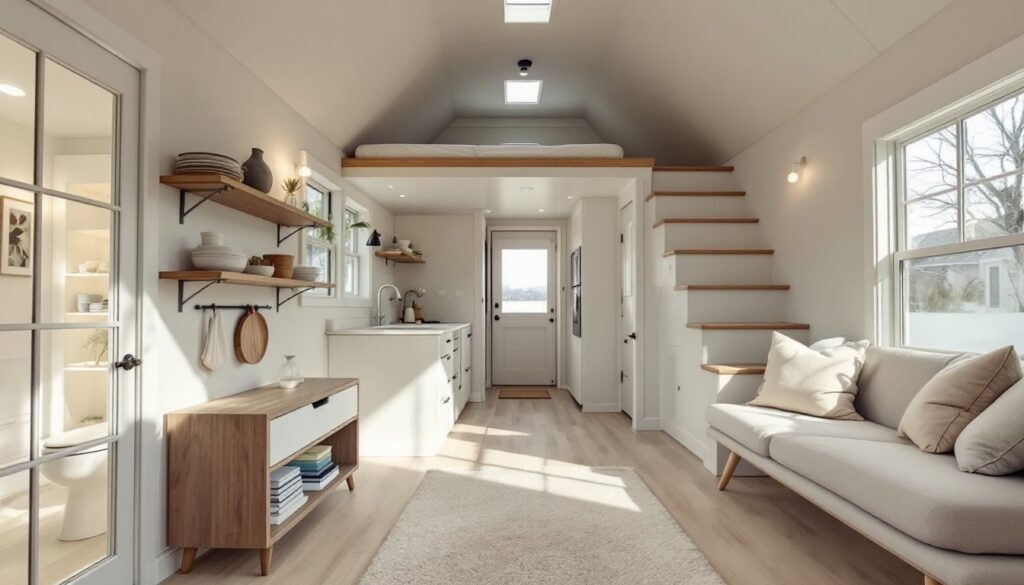
Tiny homes are all the rage, but what happens when accessibility gets left out of the design? Picture this: a cozy little abode where every inch is optimized for living, yet navigating the space feels like an Olympic event. It’s time to change that narrative. Tiny home accessibility design isn’t just a trend; it’s a necessity that ensures everyone can enjoy the charm of compact living.
Imagine a tiny home where the doorways are wide enough for a friendly game of tag, and the bathroom isn’t a contortionist’s nightmare. By incorporating smart design elements, tiny homes can be both functional and fabulous. Let’s dive into how thoughtful accessibility can transform these pint-sized palaces into welcoming havens for all, proving that good things really do come in small, accessible packages.
Overview of Tiny Home Accessibility Design
Tiny homes can offer a unique blend of compact living and modern design, but accessibility considerations play a crucial role. Thoughtful planning ensures these spaces accommodate everyone, especially those with disabilities. Universal design principles guide many aspects of tiny home accessibility.
Open floor plans create an inviting flow. Clear pathways allow individuals using mobility aids to navigate easily. Wider doorways and hallways also enhance movement throughout the home. Adjustable fixtures and features contribute to usability for various needs.
Kitchen design requires special attention. Lower countertops, accessible appliances, and pull-out shelves ensure functionality for all users. Additionally, incorporating elements like motion-sensor lighting aids visibility.
Bathrooms often pose the greatest challenges. Roll-in showers with grab bars offer safety and convenience. Installing non-slip flooring and height-adjustable sinks increases accessibility. These modifications provide independence for individuals with mobility limitations.
Storage solutions, while limited in small spaces, can be made accessible. Lowered shelves, pull-out drawers, and closet rods positioned at varying heights simplify access to belongings. Each decision impacts the overall usability of the home.
Outdoor spaces shouldn’t be overlooked. Ramps and level pathways improve access to porches and yards, creating inclusive environments. Accessible outdoor furniture encourages social interaction.
Beyond physical features, community design also matters. Accessible tiny home communities support social connections and provide shared resources.
Designing for accessibility in tiny homes promotes inclusive living. Prioritizing these elements from the project’s outset minimizes modification challenges later. Thoughtful design enriches lives and ensures tiny homes can truly be home for everyone.
Importance of Accessibility in Tiny Homes
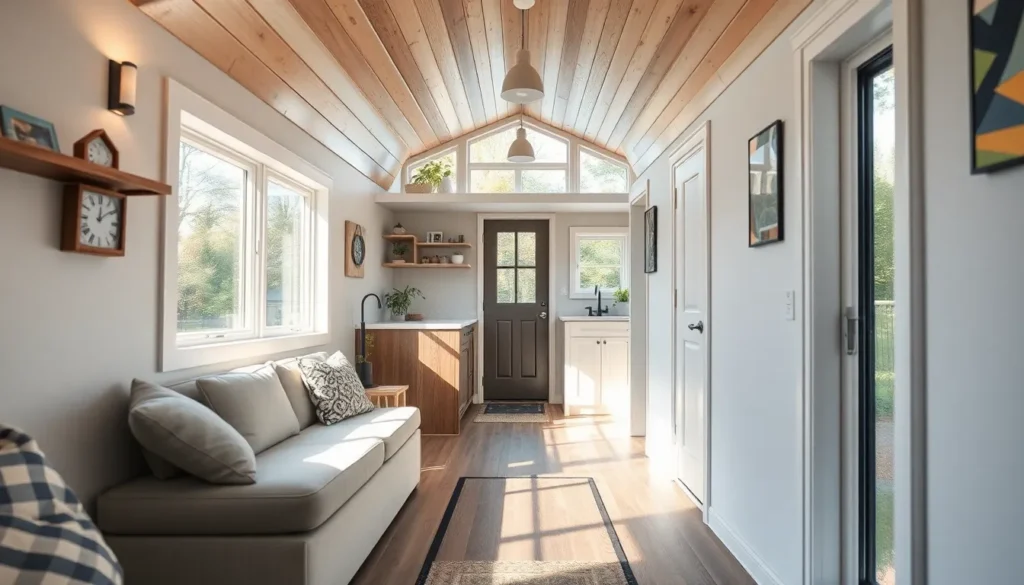
Accessibility greatly enhances the functionality of tiny homes. Thoughtful design promotes independence and comfort for individuals with disabilities.
Benefits for Homeowners
Homeowners enjoy many advantages from incorporating accessibility features. Increased property value often results from designs that accommodate various needs. A focus on accessibility attracts a broader range of prospective buyers, creating more market demand. Enhanced safety measures decrease the risk of accidents, which can lead to costly medical expenses. Overall, these features ensure that tiny homes remain inclusive, allowing all residents to thrive.
Compliance with Regulations
Compliance with regulations is crucial for tiny home designs. Many jurisdictions enforce accessibility laws, requiring adherence to specific standards. Following these guidelines promotes safe living environments for everyone. Ensuring compliance can prevent potential legal issues and fines, fostering community inclusion. Accessible design also aligns with universal design principles, making homes welcoming to all individuals, regardless of ability.
Key Design Principles for Accessibility
Tiny homes can successfully accommodate diverse needs through careful planning and thoughtful design. Key design principles emphasize space management, mobility considerations, and universal design elements.
Space Management
Effective space management maximizes usable square footage while promoting accessibility. Open floor plans simplify navigation and allow for movement without obstruction. Multi-functional furniture, such as foldable tables and convertible sofas, saves space and enhances functionality. Incorporating built-in storage solutions, like under-bed drawers and wall shelves, ensures easy access while maintaining a clutter-free environment. Carefully placed mirrors can create the illusion of more space, making the interior feel larger and more inviting.
Mobility Considerations
Mobility considerations play a vital role in tiny home design. Wider doorways and hallways, measuring at least 36 inches, facilitate easy entry for wheelchairs and other mobility aids. Non-slip flooring prevents accidents and improves safety throughout the home. Level entryways, ramps, and curb-less showers enhance accessibility in bathrooms. Providing appropriate lighting in all areas ensures visibility and enhances safety, allowing individuals to navigate their home comfortably, especially in low-light conditions.
Universal Design Elements
Universal design elements foster inclusivity for everyone. Adjustable countertops cater to users of varying heights, whether standing or seated. Accessible kitchen appliances, such as front-control stoves and side-opening ovens, improve ease of use. Bathroom features like grab bars, handheld showerheads, and roll-in showers promote independence. By utilizing these universal design principles, tiny homes can provide a welcoming atmosphere, catering to diverse needs and preferences.
Popular Features in Accessible Tiny Homes
Accessible tiny homes incorporate various features that enhance usability and promote independence. Key elements focus on ease of navigation and comfort for all residents.
Entrances and Exits
Entrances and exits must facilitate safe access for individuals with mobility aids. Level thresholds eliminate barriers, and ramps provide smooth transitions between outdoor and indoor spaces. Wider doorways enhance maneuverability, accommodating wheelchairs and walkers. Grab bars near entrances offer additional support. Slip-resistant materials enhance safety by reducing the risk of falls.
Bathroom Accessibility
Bathroom accessibility centers on comfort and functionality. Roll-in showers allow easy entry for individuals using wheelchairs. Adjustable showerheads cater to different heights, improving usability. Additionally, durable grab bars positioned near toilets and showers enhance safety. Ideally, countertops should be lower, enabling better access. Non-slip flooring minimizes risks associated with water exposure.
Kitchen Modifications
Kitchen modifications focus on user-friendly designs that cater to diverse needs. Lowered countertops ensure individuals can easily prepare meals without strain. Accessible appliances, such as front-loading ovens, support safe cooking practices. Pull-out drawers and shelves maximize storage, ensuring everything is within reach. Open layouts promote movement, enhancing the overall cooking experience.
Conclusion
Designing tiny homes with accessibility in mind is essential for fostering inclusivity. By prioritizing universal design principles, homeowners can create spaces that accommodate diverse needs while enhancing overall functionality. Features like wider doorways and accessible kitchens not only improve navigation but also promote independence and comfort for all residents.
Moreover, accessible outdoor areas encourage social interaction and community engagement. As the tiny home movement continues to grow, integrating these thoughtful design elements ensures that everyone can enjoy the benefits of compact living. Ultimately, making accessibility a core aspect of tiny home design enriches lives and creates welcoming environments for all.