
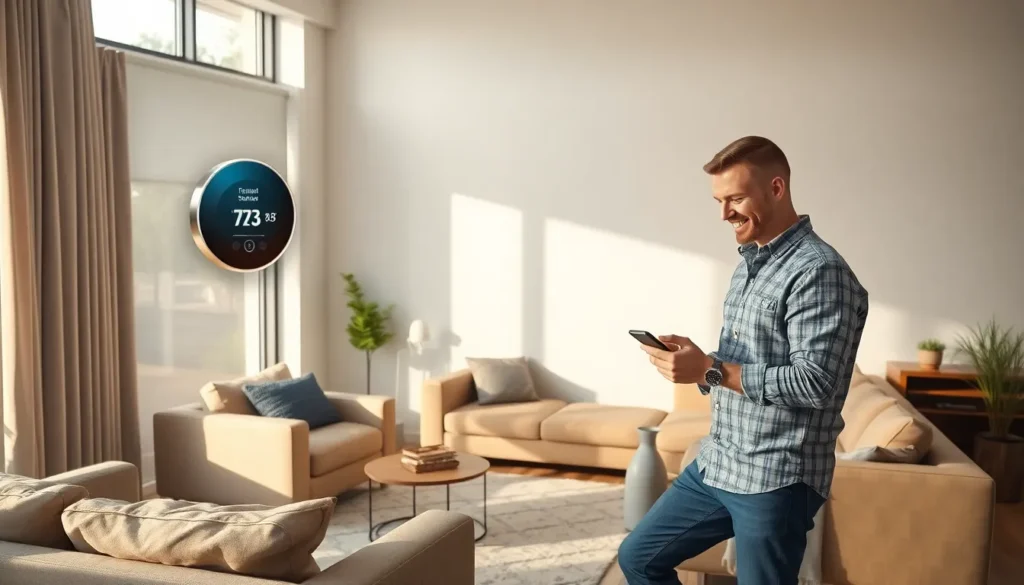
Imagine walking into your home and being greeted by a warm hug, courtesy of your smart heating system. Gone are the days of fighting over the thermostat or shivering under layers of blankets. With the flick of a finger or a simple voice command, comfort is just a heartbeat away.
Smart heating systems are revolutionizing the way people experience warmth. They learn your habits, adjust to your preferences, and even help save on energy bills—all while you sit back and sip your hot cocoa. Who knew staying cozy could be this high-tech?
In a world where everything’s getting smarter, why should your heating system be left behind? Let’s dive into the wonders of smart heating and discover how it can transform your home into a sanctuary of comfort and efficiency.
Overview of Smart Heating Systems
Smart heating systems revolutionize temperature control in homes by utilizing advanced technology. These systems adapt to user preferences and optimize energy consumption, enhancing overall comfort.
Definition and Technology
Smart heating systems refer to sophisticated technologies designed to monitor and manage indoor temperatures efficiently. They integrate sensors, Wi-Fi connectivity, and machine learning algorithms for personalization. Through these technologies, systems learn user behaviors, adjusting settings automatically to improve energy efficiency and comfort. Compatibility with smart home platforms enables seamless integration with devices like smartphones and voice assistants. Such advancements create a responsive heating environment that meets individual needs effectively.
Key Features
Several key features define smart heating systems’ effectiveness. Programmable thermostats allow users to set schedules and preferences for heating activation. Remote control capabilities empower individuals to adjust settings from anywhere using mobile apps. Energy usage reports provide insights into consumption patterns, promoting informed decisions. Many systems incorporate geofencing technology, ensuring heating operates efficiently based on user proximity. Lastly, compatibility with renewable energy sources can enhance sustainability, appealing to environmentally conscious users.
Benefits of Smart Heating Systems
Smart heating systems offer numerous advantages that enhance home comfort and energy efficiency.
Energy Efficiency
Energy efficiency stands out as a core benefit of smart heating systems. These systems utilize advanced technology to adjust temperatures based on real-time data. Sensors detect occupancy, adjusting heating automatically when rooms are unoccupied. Moreover, machine learning algorithms analyze user habits, allowing systems to optimize energy consumption effectively. By maintaining ideal temperatures without unnecessary heating, these systems significantly reduce energy waste. Research indicates that smart heating can lead to energy savings of up to 30%. Integrating with renewable energy sources, such as solar panels, maximizes sustainable energy use, further enhancing overall efficiency.
Cost Savings
Cost savings represent another compelling advantage of smart heating systems. These systems streamline energy usage, helping homeowners reduce monthly utility bills. When programmed correctly, they ensure that heating occurs only when needed, minimizing excess heating costs. Additionally, many models provide detailed energy reports, helping users understand their spending patterns. Studies show that smart thermostats can save an average of $180 per year on heating bills. Over time, initial investments in smart heating technology often pay for themselves through significant savings. By choosing eco-friendly options, homeowners may also benefit from rebates and incentives, amplifying their overall savings.
Types of Smart Heating Systems
Smart heating systems come in various forms, each designed to enhance energy efficiency and user convenience. Understanding these options helps homeowners make informed choices.
Smart Thermostats
Smart thermostats enable precise temperature control through advanced features. These devices connect to Wi-Fi, allowing users to adjust temperature settings remotely via smartphones or voice commands. Many models employ machine learning algorithms to analyze user habits, adapting schedules to optimize energy usage. Research indicates that smart thermostats can reduce heating costs by an average of $180 annually. Sensors in these devices provide feedback on room occupancy, further enhancing efficiency.
Radiant Floor Heating
Radiant floor heating systems distribute warmth evenly throughout living spaces. These systems utilize electric heating cables or water-filled tubes installed beneath the floor. Adjustments occur automatically based on room temperature and occupancy, ensuring comfort and efficiency. When activated, radiant floor heating generates warmth from the ground up, creating a cozy atmosphere in cold climates. This technology often integrates with smart thermostats for seamless control, promoting energy savings when used alongside smart home systems.
Smart Boilers
Smart boilers represent an intelligent solution for heating water and homes. These units feature connectivity options for remote monitoring and control via smartphones. Data analytics enhance performance by assessing energy consumption patterns and optimizing operation schedules. Efficiency ratings indicate that modern smart boilers can achieve up to 95% efficiency, significantly reducing energy bills. By adjusting temperature and timing based on real-time data, these systems not only ensure comfort but also minimize unnecessary energy waste.
Installation and Maintenance Considerations
Installing and maintaining smart heating systems requires careful planning and attention to detail. Several key elements ensure optimal performance and longevity.
Professional Installation vs. DIY
Professional installation often guarantees that smart heating systems function at peak efficiency. Trained technicians understand unique home layouts and wiring requirements. They can seamlessly integrate smart technology with existing systems, reducing risks of errors. DIY installation is suitable for tech-savvy individuals, yet it can lead to complications without proper knowledge. Following guides and tutorials is essential for those pursuing this option. Weighing the costs of professional help against potential issues with DIY methods is crucial before deciding.
Regular Maintenance Tips
Regular maintenance extends the life of smart heating systems while ensuring continued efficiency. Scheduling annual inspections allows technicians to check components thoroughly. Homeowners should clean sensors and replace filters, keeping systems running smoothly. Checking for software updates maintains security and performance. Observing unusual sounds or fluctuations in temperature signals the need for immediate attention. Staying proactive prevents costly repairs and improves energy efficiency, contributing to long-term savings.
Future Trends in Smart Heating Systems
Emerging trends indicate smart heating systems are set to evolve significantly in the coming years. Innovations will focus on enhancing integration and efficiency while prioritizing user experience.
Integration with Smart Home Technology
Many smart heating systems are increasingly compatible with other smart home devices. Homeowners can control their heating through integrated systems like smart assistants and security setups. Innovations in this area focus on interoperability, allowing heaters to interact effectively with appliances and lighting. Adjusting heating based on user behavior and preferences will significantly enhance convenience and comfort. Smart sensors will provide real-time data, optimizing energy use across the home. Aligning smart heating with overall home automation maximizes efficiency and user satisfaction.
Renewable Energy Solutions
Incorporating renewable energy into smart heating systems is gaining momentum. Solar energy integration allows homes to use clean energy for heating, reducing reliance on traditional energy sources. Many systems now feature compatibility with solar panels and energy storage solutions. Cost savings from using renewable energy will appeal to homeowners, especially as prices for these technologies continue to decline. Additionally, incentives for utilizing renewable sources will drive further adoption. As these solutions become more accessible, they’ll pave the way for environmentally friendly heating options in homes.
Conclusion
Smart heating systems represent a significant advancement in home comfort and energy efficiency. By leveraging technology to learn user preferences and habits, these systems not only enhance convenience but also contribute to substantial energy savings. With features like programmable thermostats and real-time monitoring, homeowners can enjoy a tailored heating experience while reducing utility bills.
As smart heating technology continues to evolve, its integration with renewable energy sources and other smart home devices will further enhance its benefits. Investing in a smart heating system is a step toward a more efficient and environmentally friendly home, ensuring warmth and comfort while minimizing energy consumption. Embracing this technology can lead to a cozy living space and a positive impact on the planet.


